
The Link Between Seasonal Changes and Dandruff: How to Adjust Your Hair Care Routine Naturally
Introduction
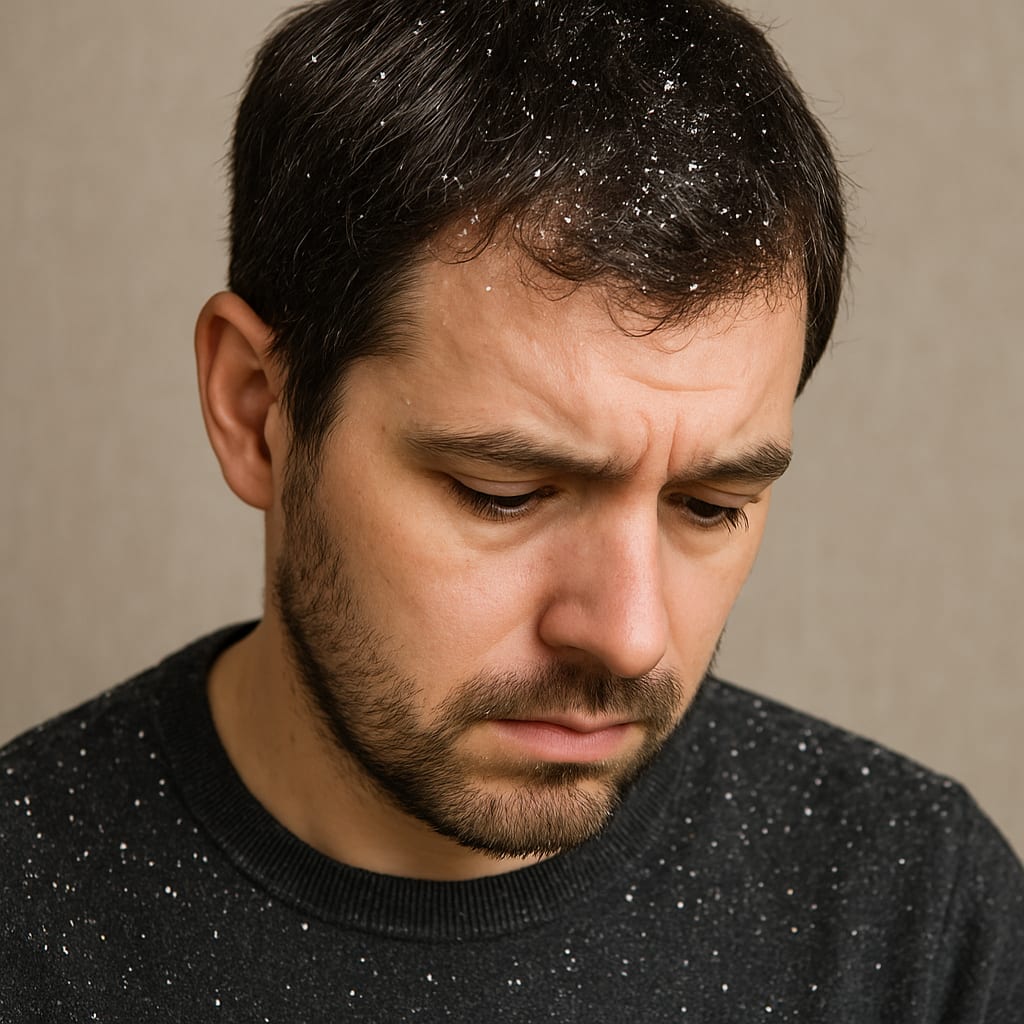
Dandruff is a common scalp condition that affects millions of people, but did you know that its severity often changes with the seasons? Many individuals notice that dandruff gets worse during specific times of the year—especially in winter or during humid monsoon months. Understanding the link between seasonal changes and dandruff is crucial for developing an effective, natural hair care routine. By aligning your routine with nature’s rhythm and incorporating Ayurvedic solutions, you can keep your scalp healthy year-round.
Why Seasonal Changes Affect Dandruff
Your scalp is an extension of your skin and is therefore equally sensitive to environmental changes. As the seasons shift, so do humidity levels, temperature, sun exposure, and pollution—all of which influence scalp health.
1. Winter (Dryness and Flaking)
In winter, the air becomes dry, and indoor heating removes moisture from your skin and scalp. This often leads to flakiness, itching, and irritation—prime conditions for dandruff to thrive. The scalp loses its natural oils faster, leading to an increase in dead skin cell buildup.
2. Summer (Sweat and Oil Buildup)
Summers bring heat and sweating, which can cause excess oil production. Sweat mixes with oil and dirt, clogging the pores and creating an ideal environment for Malassezia yeast, the fungus associated with dandruff, to grow. Sun exposure and frequent washing can also dry out the scalp, making it more vulnerable.
3. Monsoon (Humidity and Fungal Growth)
High humidity levels in the rainy season can encourage the rapid growth of fungi on the scalp. Constant wetness and lack of proper drying can worsen fungal infections, leading to persistent and itchy dandruff.
4. Spring and Autumn (Transition Stress)
During transitional seasons, your body—including your scalp—goes through hormonal and immune shifts. These changes can trigger increased shedding, sensitivity, and temporary inflammation, all of which may contribute to dandruff flare-ups.
How to Adjust Your Hair Care Routine Naturally
A seasonal hair care routine is not only practical but also aligns with Ayurvedic principles of living in tune with nature. Below are detailed guidelines for each season along with natural product suggestions to help manage dandruff effectively.
🌿 Winter Hair Care Tips
Hydrate: Use nourishing oils rich in herbs like Bhringraj, Amla, and Brahmi to lock in moisture.
Gentle Cleansing: Avoid harsh shampoos that strip oils; instead, use natural cleansers.
Hot Oil Massage: Warm oil massages improve blood circulation and keep the scalp moisturized.
🌞 Summer Hair Care Tips
Frequent Rinsing: Wash your hair more often to remove sweat and oil buildup.
Use Cooling Herbs: Choose hair products with ingredients like Neem, Aloe Vera, and Hibiscus.
Cover Your Head: Use a hat or scarf when stepping out in harsh sunlight.
🌧️ Monsoon Hair Care Tips
Dry Properly: Always ensure your hair and scalp are fully dry after getting wet.
Antifungal Herbs: Use Ayurvedic treatments that include antifungal and antibacterial herbs.
Avoid Heavy Oils: Instead, opt for lighter, herbal-based oils or serums.
🍁 Spring/Autumn Hair Care Tips
Detox: This is the best time to follow an Ayurvedic scalp detox using herbal powders or masks.
Strengthen Roots: Apply strengthening herbal pastes to avoid seasonal shedding.
Support Digestion: Dandruff is often linked to digestive imbalance, so eat light, seasonal foods.
Ayurvedic Approach to Seasonal Dandruff
Ayurveda sees dandruff as a manifestation of imbalances in the doshas—particularly Vata (dryness) and Kapha (oiliness and heaviness). Instead of suppressing symptoms, Ayurvedic treatments aim to balance the doshas, nourish the scalp, and cleanse impurities.
⭐ Best Ayurvedic Solutions
Best Ayurvedic Medicine For Dandruff: A comprehensive herbal kit that targets dandruff at its root. It often includes oils, creams, and natural cleansers that balance both dry and oily scalps, making it suitable for year-round use.
Ayurvedic Dandruff Treatment: This treatment incorporates traditional practices such as oiling, herbal steaming, and scalp massage with plant-based medicines that reduce itching, inflammation, and flakiness.
Herbal Hair Wash Powder: A gentle, natural cleanser made from powdered herbs like Shikakai, Reetha, and Amla. Ideal for those looking to eliminate chemical shampoos and adopt a scalp-friendly cleansing routine.
Additional Tips for Year-Round Scalp Health
Even the best products won’t be fully effective if your overall lifestyle isn’t in harmony with nature. Here are some holistic practices to support your hair health throughout the year:
Balanced Diet: Include seasonal fruits, green vegetables, nuts, and hydrating foods.
Stay Hydrated: Drinking enough water is essential for healthy skin and scalp.
Regular Exercise: Boosts circulation and helps regulate hormone levels.
Stress Management: Practices like yoga and meditation can lower stress-induced dandruff.
Avoid Chemical Overload: Reduce use of styling products, heat tools, and synthetic shampoos.
Conclusion
Dandruff is not just a seasonal annoyance—it is a signal from your body that something is out of balance. By understanding how different seasons affect your scalp and adjusting your hair care routine accordingly, you can minimize flare-ups and maintain a healthy scalp throughout the year. Ayurvedic solutions offer a natural, effective, and holistic way to tackle dandruff at its root, without the harsh side effects of chemical treatments.
Embrace nature’s rhythm, trust ancient wisdom, and make small but consistent changes in your daily hair care. With a mindful, seasonal approach, you can experience dandruff-free days and healthier hair, the natural way.
Let me know if you want this formatted for a blog post or turned into a PDF!
About the Creator
Keep reading
More stories from vijayan master's Ayurveda and writers in Humans and other communities.
The Link Between Diet and Dandruff: How Your Eating Habits Impact Scalp Health
Dandruff is a widespread scalp condition that affects millions of people globally, causing discomfort, flaking, and sometimes even embarrassment. While many people attribute dandruff solely to poor hygiene or weather changes, one crucial factor often overlooked is diet. The food we consume daily plays a pivotal role in our overall health, and this extends to the condition of our scalp. In recent years, experts and Ayurvedic practitioners alike have emphasized the importance of dietary habits in managing dandruff effectively.
By vijayan master's Ayurveda8 months ago in Humans
The CEO of Everything
They say "jack of all trades, master of none," but they forgot to mention the part where the jack of all trades is also the camera woman, the makeup artist, and the person currently yelling at a tangled Wii microphone cable in a her own bathroom while recording herself singing and trying to make it look realistic and professional. (As professional as you can make it with nothing but a cell phone camera and a mic that doesn't work)
By Sara Wilson7 days ago in Humans
The Dangers of Not Having Your Coffee
5:30 a.m. and my husband coos at me asking if I am awake. I am now, but barely. He tells me he is off to work, checked the fire downstairs, and that is will be fine until I wake up (until 7:30 a.m.). Cool. I set my alarm for 7:30 and head back into some delicious dream, I can’t remember anymore. No I would not tell you, even if I could remember the dream)
By Alexandra Grantabout 19 hours ago in Humans


Comments
There are no comments for this story
Be the first to respond and start the conversation.