
The Link Between Diet and Dandruff: How Your Eating Habits Impact Scalp Health
Introduction
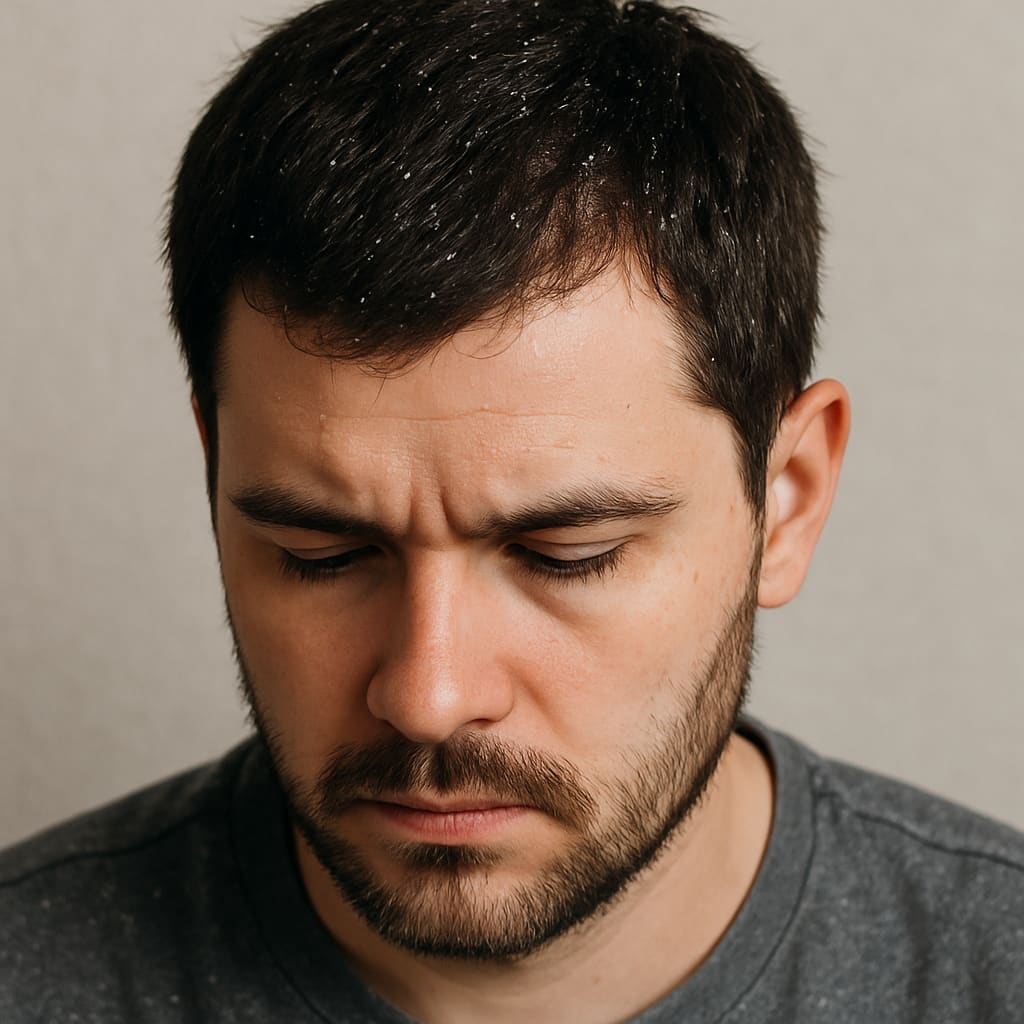
Dandruff is a widespread scalp condition that affects millions of people globally, causing discomfort, flaking, and sometimes even embarrassment. While many people attribute dandruff solely to poor hygiene or weather changes, one crucial factor often overlooked is diet. The food we consume daily plays a pivotal role in our overall health, and this extends to the condition of our scalp. In recent years, experts and Ayurvedic practitioners alike have emphasized the importance of dietary habits in managing dandruff effectively.
In this article, we delve into how your eating patterns could be triggering or worsening your dandruff and explore how dietary adjustments, paired with Ayurvedic care, can lead to a healthier, dandruff-free scalp.
Understanding Dandruff: More Than Just a Dry Scalp
Dandruff is primarily caused by the excessive shedding of dead skin cells from the scalp. This can result from multiple factors, including fungal overgrowth (like Malassezia), oily skin, dry scalp, poor hair hygiene, and sensitivity to hair products. However, one of the lesser-known contributors is an imbalanced diet that leads to inflammation, excess sebum production, or poor scalp circulation.
How Diet Affects Your Scalp Health
1. Sugar and Processed Foods
Excessive sugar intake can trigger an inflammatory response in the body, which may manifest as an irritated and flaky scalp. High-glycemic foods can also feed the Malassezia yeast, aggravating dandruff conditions.
2. Dairy Products
Dairy is known to increase sebum production in some individuals, which can make the scalp oilier and a breeding ground for dandruff-causing fungi.
3. Lack of Essential Nutrients
Zinc: A deficiency in zinc, a mineral that helps control oil production and inflammation, is often linked to dandruff.
Vitamin B Complex: Especially B6 and B12, these vitamins are essential for healthy skin and scalp.
Omega-3 Fatty Acids: These healthy fats help in regulating oil production and maintaining scalp hydration.
4. Dehydration
Not drinking enough water can lead to a dry, flaky scalp. Staying hydrated is key to maintaining scalp moisture and overall hair health.
Ayurveda's Take on Diet and Dandruff
In Ayurveda, dandruff is believed to result from an imbalance in the Pitta and Kapha doshas. An excess of Pitta can cause inflammation and heat in the scalp, while an aggravated Kapha can lead to oily, sticky buildup and flakes. Ayurvedic dietary recommendations often include:
Avoiding spicy, oily, and fried foods.
Reducing intake of dairy and sugar.
Including bitter and astringent foods like leafy greens and turmeric.
Incorporating digestive herbs such as cumin, coriander, and fennel.
These dietary changes help restore internal balance and reduce the underlying causes of dandruff from within.
Recommended Diet for a Dandruff-Free Scalp
Here are some Ayurvedic dietary tips that can naturally support scalp health:
Eat Seasonal Fruits and Vegetables: Rich in antioxidants and vitamins.
Include Probiotics: Foods like curd (in moderation), buttermilk, and fermented items to improve gut health.
Incorporate Omega-3 Rich Foods: Such as flaxseeds, walnuts, and chia seeds.
Drink Herbal Teas: Like neem or tulsi to purify the blood and detoxify the system.
External Care: Complementing Diet with Ayurvedic Products
While a good diet sets the foundation, external care is equally essential. Choosing herbal, chemical-free products enhances the results of internal healing. Using an Ayurvedic Shampoo For Dandruff helps in gently cleansing the scalp without stripping natural oils. These shampoos often contain ingredients like neem, aloe vera, and hibiscus, known for their anti-fungal and soothing properties.
For those looking for stronger support, an Anti Dandruff Ayurvedic Shampoo paired with the Best Anti Dandruff Cream can offer a complete dandruff care solution. The cream nourishes the scalp, relieves itching, and reduces flaking, especially when used consistently along with a healthy diet.
Final Thoughts
Dandruff is a multifactorial condition that requires both internal and external approaches for long-term relief. By becoming more mindful of your diet—eliminating inflammatory foods and adding scalp-nourishing nutrients—you can create an environment in your body that doesn’t support the conditions that cause dandruff. When paired with authentic Ayurvedic hair care products, the results can be transformative.
Your scalp reflects your internal health. Eat well, care holistically, and let your hair speak for itself.
About the Creator
Keep reading
More stories from vijayan master's Ayurveda and writers in Humans and other communities.
How Climate and Air Quality Affect Your Skin Health — and What You Can Do About It
Our skin is our body’s first line of defense against the outside world. It is constantly exposed to various environmental factors, including the climate we live in and the air we breathe. While many people focus on skincare products to improve their appearance, they often overlook the deeper, external factors that directly impact skin health. Among these, climate and air quality play a significant role in determining how hydrated, balanced, and healthy our skin remains.
By vijayan master's Ayurveda8 months ago in Humans
The CEO of Everything
They say "jack of all trades, master of none," but they forgot to mention the part where the jack of all trades is also the camera woman, the makeup artist, and the person currently yelling at a tangled Wii microphone cable in a her own bathroom while recording herself singing and trying to make it look realistic and professional. (As professional as you can make it with nothing but a cell phone camera and a mic that doesn't work)
By Sara Wilson7 days ago in Humans
Air Sign Twin Flames Rise or Fall Through Words.
Air sign twin flames live in the mind first. Gemini, Libra, and Aquarius connect through thought, language, and perception. Conversation sparks attraction. Ideas create intimacy. Silence creates distance. Astrology shows one clear truth. Communication style determines whether these twin flames separate or reunite.
By Wilson Igbasi3 days ago in Humans



Comments
There are no comments for this story
Be the first to respond and start the conversation.