
The Life-Changing Power of Hypnosis: What You Need to Know
Hypnosis and how it works


What does hypnosis feel like?
Hypnosis is in a sense, a daydreamy state where you open your mind to ideas and influences. You may feel very relaxed, you may experience vivid visualizations. Some people are more easily hypnotized than others, but it can be improved with practice. After half an hour in hypnosis, it may feel like it was only 5 or 10 minutes. So, how does hypnosis actually work to create change?
Can hypnosis really change your life?
Hypnosis can be used to change how you feel. It can improve some medical conditions, reduce or control pain, overcome phobias, relieve stress and stop panic attacks. Despite the fact that hypnosis is a powerful tool that can change your habits, reactions and feelings, it is still misunderstood by many. Sadly, some people only try hypnosis as a last resort after exhausting all other options to solve their problem. The thing that is really special about hypnosis is that it is a natural and easy way to change your feelings and reactions. It will only give you what you want, so any suggestion that you consciously think “no” to is literally rejected immediately.
How do the changes take effect?
Listening to a hypnosis audio to increase social confidence for example, should work very well and quickly, especially if you have previous experience of being socially confident in the past, however briefly. This is because your subconscious mind can recall the memory and tap into those feelings and behaviors.
If you are extremely shy, the results may take longer as your subconscious mind may have no reference point to attach the new response to. Creating a new reaction, feeling or behavior with hypnosis can be achieved successfully, but it takes repetition of hypnosis to achieve significant changes. Hypnosis works really well when used along with positive life changes where possible to reinforce the change and test it out. If you really want to make a particular change in your life, and you commit to it, hypnosis can help.
What can hypnosis help with?
Hypnosis (or hypnotherapy) can be used to treat many ailments and conditions. It can help develop inner strength, a positive mindset and reduce stress. Some common uses are:
- Anxiety
- Stress
- Panic attacks
- Phobias
- Addictions
- PTSD
- Weight loss
- Insomnia
- Irritable bowel syndrome (IBS)
- Pain control
- Fibromyalgia
- Headaches (migraines or tension headaches)
- Skin conditions
- Nausea
- Compulsive behaviors
- Confidence and self-esteem
- ADHD
- Relationship issues

Why does hypnosis work better for some people and less for others?
How easily you go into a hypnotic trance depends on your suggestibility. There are also other factors that affect how you respond to hypnosis. These factors include personality type, how nervous or relaxed you feel and if you have used hypnosis or meditation previously. Even if you are not particularly hypnotizable, you can learn to get into an excellent hypnosis state and benefit from hypnosis if you have the desire to do so. A little perseverance and an open mind are all that is needed. So while some people are naturals at going into hypnosis, it is something that can be achieved with practice. It may surprise you to know that getting the results you are looking for with hypnosis does not really depend on the depth of the hypnotic trance you achieve.
How hypnotizable are you?
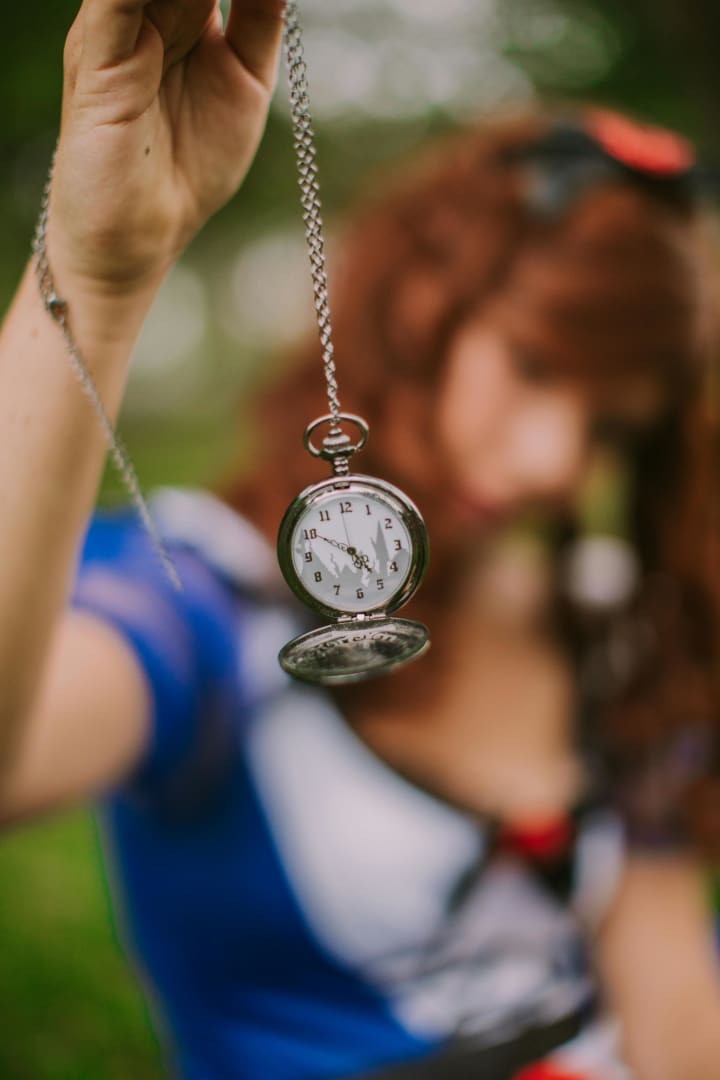
Find out how hypnotizable you are by taking the quiz. Click here to go to the quiz on the Rachael Eccles website.
Is hypnosis risky?
When used correctly hypnosis is perfectly safe. Any suggestions you do not like you can easily reject. If you want to come out of a hypnotic trance you can do that at any time by choosing to. However, there are certain situations where hypnosis may not be appropriate. Of course the obvious is that you must never use hypnosis audios or self-hypnosis techniques when operating machinery or driving, nor in any situation where your attention or concentration is required.
Some illnesses may require your doctor’s approval before using hypnosis, such as severe mental health problems, such as bipolar, psychotic issues, hallucinations, delusions, schizophrenia. If you have epilepsy or seizure disorder, it is best to check with your neurologist as some types of epilepsy could be triggered by hypnotic states in certain circumstances. If you have consumed alcohol in excess or recreational drugs it is advisable to abstain from using hypnosis.
Find out more
More questions and answers about hypnosis can be found on the Rachael Eccles Website here www.rachaeleccles.com
Do Hypnosis audios work as well as hypnosis in person?
How to find a hypnotherapist
Are there different levels of hypnotic trance?
Can anyone be hypnotized?
Can you get stuck in hypnosis?
What is stage hypnosis?
Will I lose control?
Is hypnosis real?
Do you have to be in a deep trance for it to work?
About the Creator
Rachael Eccles
Hi, I'm Rachael, I am a Clinical Hypnotherapist and I write about self help, mindfulness, meditation and hypnosis
Website: www.rachaeleccles.com
Newsletter: https://substack.com/@rachaeleccles
Keep reading
More stories from Rachael Eccles and writers in Humans and other communities.
Great Morning Routines to Suit Anyone
Morning Routines Why would you want to establish a great morning routine? I’m sure you already have a routine don’t you? But is it working for you? Are you starting your day in an optimal way that allows you to make the most out of every day? Let’s look at some ways to make your morning routine optimal. So that you have the best start to every day.
By Rachael Ecclesabout a year ago in Lifehack
Challenges Local Singles Face When Searching For Honest And Serious Partners
Locating a serious and sincere partner is a big challenge to the local singles in the current fast moving dating world. As much as there have been more chances to meet new people via online sites, social functions as well as community networks, most singles find it difficult to find partners with comparable values and long-term prospects. Shallow relations, fleeting dating lifestyle, and lack of alignment of goals and objectives tend to derail the process of seeking worthy relationships. It is important to know the difficulties that local singles encounter in order to get through dating. The knowledge of these barriers enables people to be more tactical in their relationships and make sure that their efforts are oriented towards seeking sincere and serious partners.
By Kellee Bernier5 days ago in Humans
The Pride Flag and the Diversion
For nearly a decade, the LGBTQIA Pride Flag rippled in the wind at Christopher Park, a kaleidoscope of color staked into the soil of America’s first national monument to LGBTQIA+ liberation. That flag came down this week. Federal officials, citing new guidance from the Trump Administration, silently lowered the rainbow flag from its pole across the street from the Stonewall Inn. The birthplace of the modern gay rights movement now flies only the United States flag.
By Tim Carmichael3 days ago in Pride


Comments
There are no comments for this story
Be the first to respond and start the conversation.