
The Invisible War Between Who You Are and Who You Want to Be
Why You Keep Self-Sabotaging Even When You Want Better

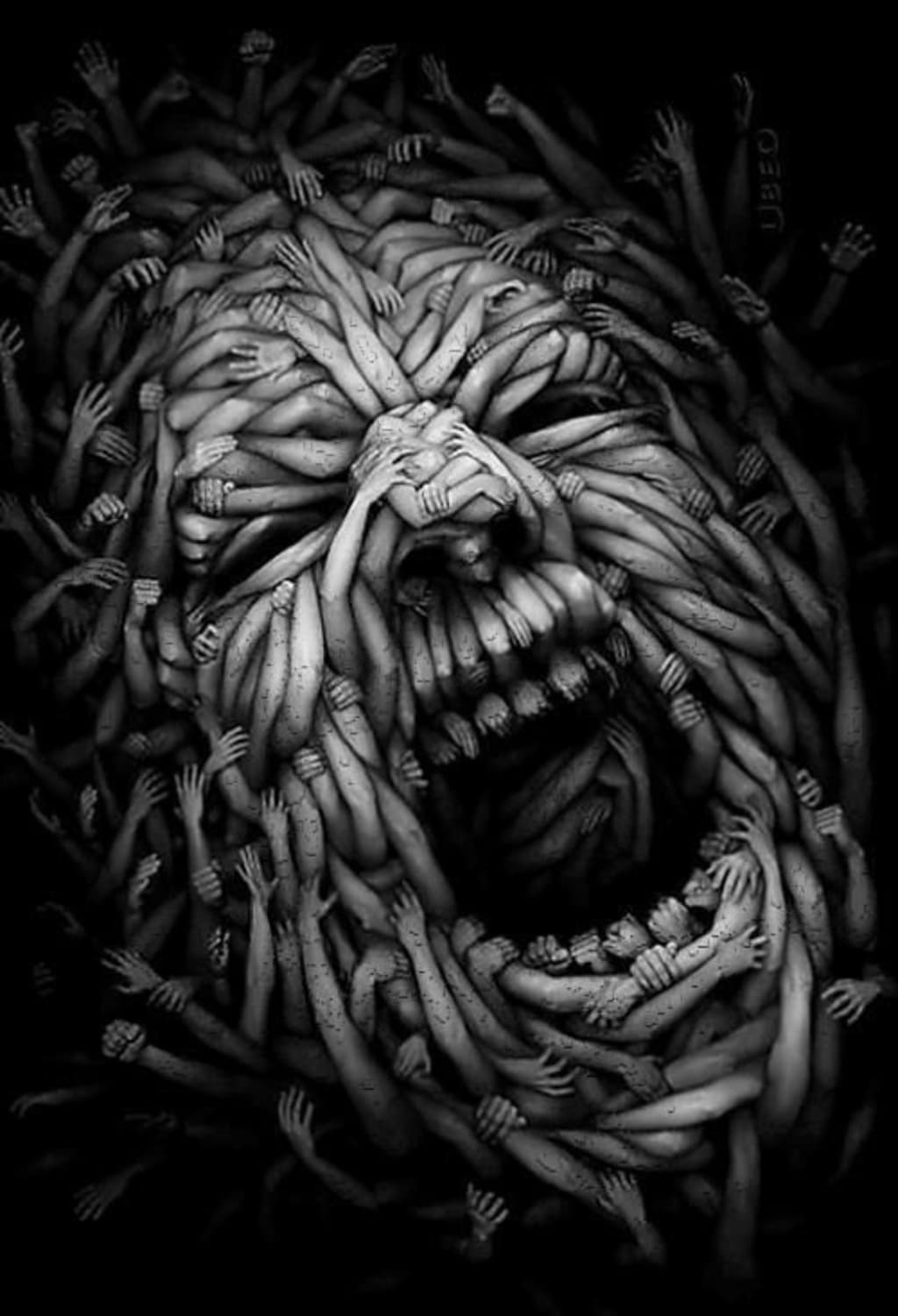
The Pattern You Pretend Not to See
Most people like to believe they are their own biggest supporters. They say they want growth, success, peace, love, and stability. And on the surface, that might be true. But if you look closely at behavior instead of words, a different story often appears. Procrastination. Avoidance. Inconsistency. Choosing comfort over progress. Repeating habits you already know are hurting you. This isn’t because people enjoy suffering. It’s because there is an internal conflict happening quietly beneath awareness.
You can want change and still resist it at the same time.
Self-Sabotage Isn’t Laziness
Calling self-sabotage laziness is easy, but inaccurate. Laziness implies a lack of desire. Most people who self-sabotage actually care deeply. They care so much that the fear of failing becomes overwhelming. If you never fully try, you never have to fully face the possibility that you weren’t good enough. In that twisted way, holding back feels safer than giving your all.
It’s not that you don’t want better.
It’s that better feels unfamiliar.
Your Brain Prioritizes Safety Over Happiness
The human brain evolved to keep you alive, not fulfilled. Safety equals predictability. Predictability equals control. Even if your current situation makes you unhappy, it’s known. The unknown, even when it holds possibility, feels risky. So your brain pushes you toward familiar patterns, even toxic ones.
Self-sabotage is often the brain choosing known pain over unknown growth.
Old Identities Are Hard to Let Go Of
Many people secretly hold onto outdated versions of themselves. The “I’m bad at this” identity. The “I always mess things up” identity. The “people like me don’t succeed” identity. These identities become comfortable because they’re familiar. Letting them go means stepping into a version of yourself you’ve never been before.
And unfamiliar versions of yourself feel scary.
Perfectionism Fuels Self-Sabotage
Perfectionism doesn’t come from high standards. It comes from fear. If something can’t be done perfectly, it feels safer not to start at all. This creates an endless waiting game. Waiting to feel ready. Waiting to feel confident. Waiting to feel certain.
Those feelings rarely arrive before action.
They arrive because of action.
You Don’t Trust Yourself Yet
Self-sabotage often points to a lack of self-trust. Maybe you’ve broken promises to yourself in the past. Maybe you’ve quit before. Maybe you’ve disappointed yourself. Over time, you start believing your own word doesn’t mean much.
Rebuilding self-trust doesn’t happen through motivation.
It happens through small commitments kept consistently.
Comfort Zones Are Emotional, Not Logical
People imagine comfort zones as physical places. In reality, they’re emotional states. You can be miserable and still be in your comfort zone if misery is familiar. Growth requires emotional discomfort. Learning new habits feels awkward. Acting confident before you feel confident feels fake. Showing up consistently feels tiring.
But discomfort is not danger.
It’s growth.
Self-Sabotage Is a Learned Pattern
At some point, self-sabotage protected you. Maybe lowering expectations helped you avoid disappointment. Maybe staying small helped you avoid criticism. Those strategies worked once.
They just don’t work anymore.
You’re allowed to update your coping mechanisms.
Progress Doesn’t Require a Personality Change
You don’t need to become a different person to stop self-sabotaging. You don’t need to be fearless. You don’t need to be hyper-disciplined. You need to become slightly more honest with yourself and slightly more consistent with your actions.
Small changes compound.
Start Where You Are
Don’t aim for a perfect routine.
Aim for a real one.
One habit you can keep.
One promise you can honor.
One action you repeat daily.
Momentum grows from repetition, not intensity.
Final Thoughts
Self-sabotage doesn’t mean you’re broken. It means you’re human and afraid. Afraid of failing. Afraid of succeeding. Afraid of changing. Afraid of staying the same.
Awareness is the first crack in the cycle.
You don’t need to win the entire war today.
You just need to stop fighting yourself.
That’s where real growth begins.
About the Creator
Whiskey At Dusk
Guess the whiskey was more important to you in the end, wasn’t it? It was more than the well-being of your friends; more vital than showing up to the places you promised you would and could come to; more critical of a matter than fulfilling your damn responsibilities and getting the press off your back.
By Snarky Lisa4 days ago in Humans



Comments
There are no comments for this story
Be the first to respond and start the conversation.