
The Influence of Social Media on Celebrity Culture.
The Influence of Social Media on Celebrity Culture.
Introduction
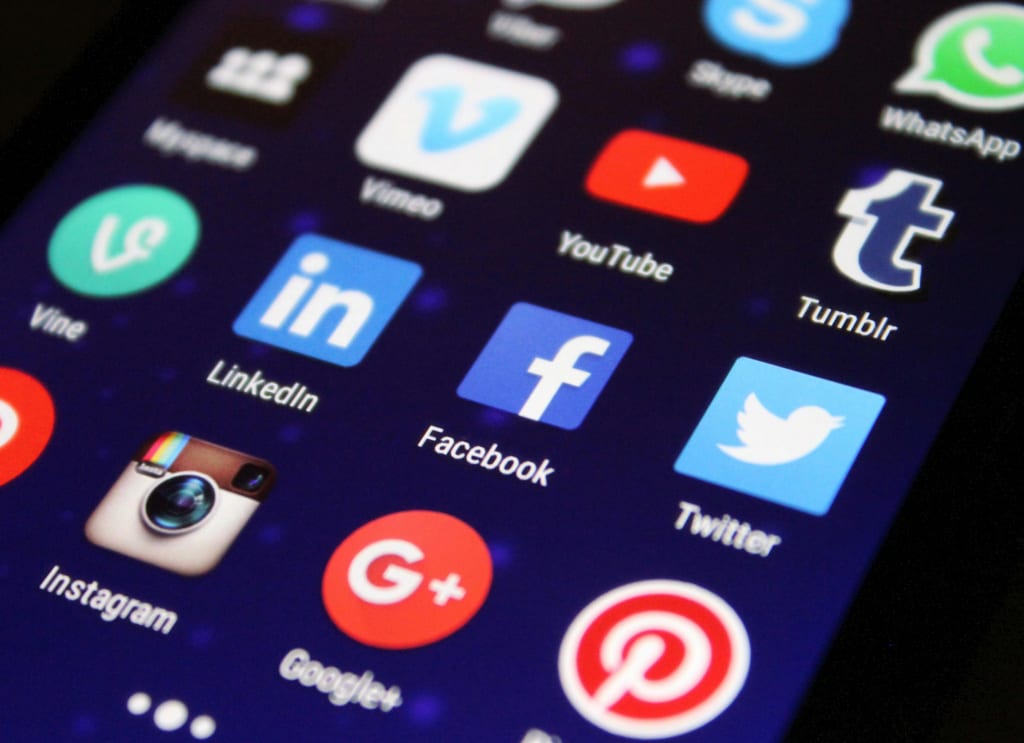
Social media has completely transformed the way we interact with celebrities. Gone are the days when movie stars, musicians, and athletes were distant figures, only accessible through magazines, television, and carefully crafted interviews. Today, social media platforms like Instagram, Twitter, TikTok, and YouTube allow fans to engage with their favorite celebrities in real-time. This shift has significantly altered the landscape of celebrity culture, changing not only how fame is attained but also how it is maintained and perceived.
The Rise of the Social Media Celebrity
In the past, becoming a celebrity required access to major media platforms such as television networks, movie studios, or record labels. However, social media has democratized fame. Anyone with a smartphone and an engaging personality can build a massive following and achieve celebrity status. Influencers, YouTubers, and TikTok stars are now competing with traditional Hollywood celebrities for attention and brand endorsements.
Platforms like TikTok and Instagram have given rise to a new breed of stars, such as Charli D’Amelio and Addison Rae, who became household names without the backing of major media companies. This phenomenon proves that social media has reshaped the traditional celebrity pipeline, allowing everyday people to cultivate their own brand and reach millions without industry gatekeepers.
Direct Interaction with Fans
One of the most significant ways social media has influenced celebrity culture is through direct fan interaction. In the past, celebrities were distant figures whose lives were portrayed through interviews and news articles. Today, platforms like Twitter and Instagram allow celebrities to communicate directly with their fans, creating a sense of intimacy that was previously impossible.
This direct engagement fosters stronger parasocial relationships—one-sided connections where fans feel personally attached to celebrities. While this can lead to deeper loyalty and engagement, it also raises concerns about boundaries and privacy, as fans sometimes feel entitled to know every detail about a celebrity’s life.
The Pressure to Stay Relevant
Social media has increased the pressure on celebrities to constantly engage with their audience. Unlike traditional media, which operates on scheduled releases, social media demands real-time updates. Celebrities must consistently post content, share personal experiences, and interact with their followers to remain relevant.
This pressure can be overwhelming. Many celebrities have spoken about the mental toll of maintaining an online presence. The fear of becoming irrelevant or canceled due to a misstep in an online post has made social media a double-edged sword. Stars like Selena Gomez and Billie Eilish have taken social media breaks, citing its negative impact on their mental health.
Cancel Culture and Celebrity Accountability
Social media has also changed how celebrities are held accountable. In the past, controversies were managed through public relations teams, and negative stories could be buried. Now, social media amplifies every misstep, and “cancel culture” has become a powerful force.
Celebrities who make offensive comments or engage in problematic behavior often face public backlash, leading to loss of sponsorships, movie roles, or even their entire careers. While this increased accountability ensures that public figures are more mindful of their words and actions, cancel culture has also been criticized for being overly punitive, leaving little room for redemption or growth.
Branding and Monetization
With social media, celebrities are no longer just entertainers; they are also brands. Platforms like Instagram and TikTok allow them to monetize their influence through sponsorships, merchandise, and personal business ventures. The Kardashians, for instance, have leveraged their social media presence to build billion-dollar businesses, including Kylie Cosmetics and SKIMS.
Celebrities no longer need traditional advertising to promote products—they can simply post a photo or video, reaching millions instantly. This shift has made influencer marketing one of the most powerful forms of advertising, blurring the lines between celebrity endorsements and personal recommendations.
The Dark Side of Social Media Fame
While social media has made fame more accessible, it has also introduced new challenges. Online harassment, privacy invasion, and unrealistic beauty standards have become major issues. Celebrities are constantly scrutinized, and even minor mistakes can lead to widespread criticism.
Moreover, the rise of deepfake technology and AI-generated content adds another layer of complexity. Fake videos and altered images can damage reputations, making it harder for celebrities to control their own narratives.
Conclusion
Social media has fundamentally reshaped celebrity culture, making fame more accessible while also increasing the pressures that come with it. While these platforms allow for greater fan engagement, monetization, and influence, they also bring new challenges, from mental health struggles to public scrutiny.
As social media continues to evolve, so too will the nature of celebrity culture. Whether this shift will ultimately be beneficial or harmful remains to be seen, but one thing is certain—social media has forever changed what it means to be a celebrity in the modern world.
What are your thoughts? Has social media made celebrity culture better or worse? Share your opinions in the comments!
About the Creator
Whiskey At Dusk
Guess the whiskey was more important to you in the end, wasn’t it? It was more than the well-being of your friends; more vital than showing up to the places you promised you would and could come to; more critical of a matter than fulfilling your damn responsibilities and getting the press off your back.
By Snarky Lisa5 days ago in Humans
Nicki Minaj and the Loneliness Behind the Loudest Voice
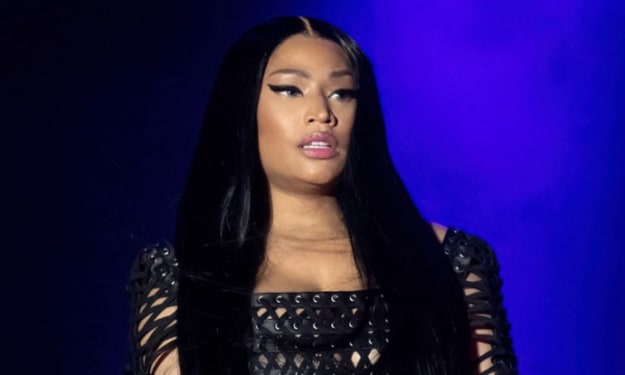
Nicki Minaj has never been easy to ignore. Her voice cuts through rooms, charts, and conversations with sharp clarity. Yet behind the colors, accents, and confidence lies a story that feels far more fragile than people expect. Fame did not arrive gently, and it did not remove insecurity overnight. For many listeners, Nicki Minaj represents strength and survival. For others, she remains misunderstood, reduced to surface-level controversy. This article looks beyond headlines and personas to explore how Nicki Minaj built her career, protected her identity, and carried emotional weight in an industry that rarely allows softness. Her story is not just about music. It is about endurance, self-definition, and the cost of being constantly seen but rarely understood.
By Muqadas khanabout 9 hours ago in Humans



Comments
There are no comments for this story
Be the first to respond and start the conversation.