
The Importance of Underwater Clean-up: Protecting Our Oceans
Understanding Underwater Pollution

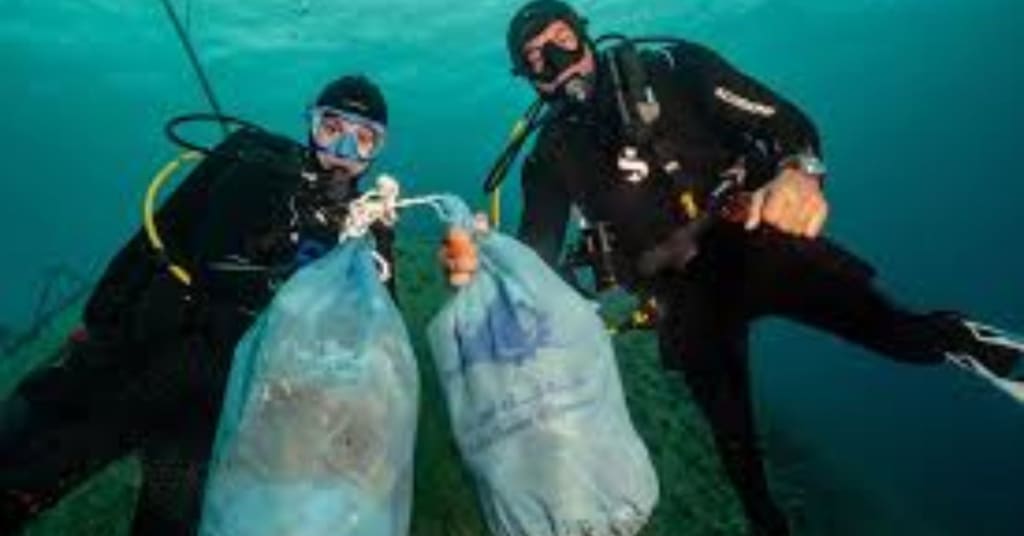
In recent years, the world has become increasingly aware of the devastating effects of pollution on our environment. One of the most pressing issues is underwater pollution, which poses significant threats to marine ecosystems and biodiversity. Underwater clean-up initiatives have emerged as vital efforts to combat this problem, safeguarding not only aquatic life but also the health of our planet.
What is Underwater Clean-Up?
Underwater clean-up refers to organized efforts to remove debris and pollutants from our oceans, rivers, and lakes. These initiatives aim to eliminate harmful materials such as plastic waste, abandoned fishing gear, and other types of litter that can cause harm to marine species. The ultimate goal is to restore the natural beauty and health of aquatic environments, ensuring they remain vibrant ecosystems.
The Impact of Underwater Pollution
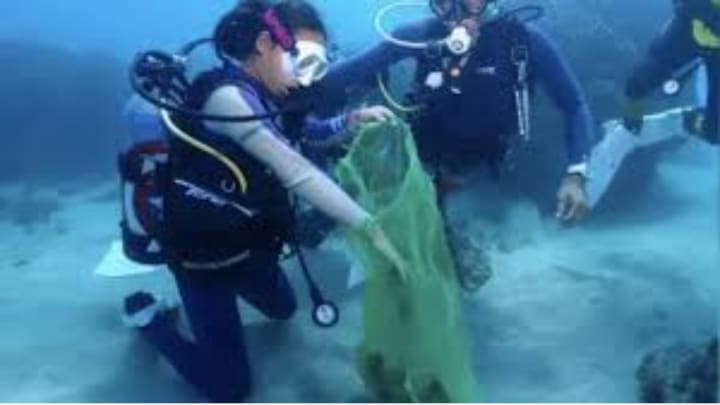
Underwater pollution has far-reaching consequences. Marine animals often mistake plastic and other debris for food, leading to ingestion that can cause injury or death. Moreover, the entanglement in discarded fishing nets can severely affect species such as sea turtles and seals. According to a report from the United Nations, approximately 13 million tons of plastic enter the oceans each year, threatening marine biodiversity and the overall health of our ecosystems.
The implications of underwater pollution extend beyond marine life. Contaminated water can affect human health, as polluted waterways can lead to the spread of toxins that enter the food chain. Protecting our oceans through clean-up efforts is not just an environmental issue; it’s a public health concern as well.
Successful Underwater Clean-Up Initiatives
Numerous organizations and projects are dedicated to underwater clean-up efforts. For example, Project AWARE focuses on engaging divers and ocean enthusiasts in clean-up activities worldwide. Through their efforts, thousands of volunteers have collected debris from oceans and waterways, raising awareness about the importance of marine conservation.
Another notable initiative is the Ocean Conservancy, which organizes the International Coastal Cleanup. This annual event mobilizes volunteers to collect trash from coastlines and underwater environments, highlighting the collective effort needed to tackle pollution.
These initiatives utilize various methods and technologies, including underwater drones and specialized diving equipment, to efficiently remove debris and monitor underwater health. They serve as excellent models for how communities can come together to make a difference.
How You Can Get Involved
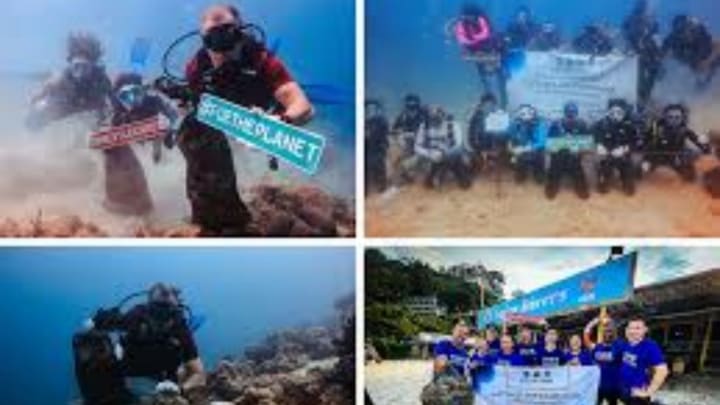
Getting involved in underwater clean-up efforts is easier than you might think! Here are a few ways you can make a difference:
Volunteer: Look for local organizations that host underwater clean-ups or beach clean-up events. Your participation can have a significant impact.
Raise Awareness: Use your social media platforms to educate others about the importance of protecting our oceans. Sharing information about upcoming clean-up events can inspire others to join.
Organize Local Clean-Ups: If you’re passionate about the cause, consider organizing your clean-up event. Gather friends and community members to tackle local waterways.
Support Eco-Friendly Products: Reduce your plastic consumption and promote sustainable alternatives. Every small change helps reduce pollution in our oceans.
Donate Support organizations dedicated to marine conservation and underwater clean-up through donations or sponsorships.
Frequently Asked Question
What is underwater clean-up?
Underwater clean-up refers to organized efforts to remove debris and pollutants from aquatic environments like oceans, rivers, and lakes, aiming to protect marine ecosystems.
Why is underwater clean-up important?
It is crucial for protecting marine life, restoring ecosystems, and preventing the harmful effects of pollution on both wildlife and human health.
What types of debris are typically found underwater?
Common types of underwater debris include plastics, fishing nets, glass, metal, and other waste that can harm marine organisms and habitats.
How can I get involved in underwater clean-up efforts?
You can volunteer with local organizations, participate in clean-up events, raise awareness on social media, or organize your clean-up initiatives.
Are there any successful underwater clean-up initiatives I should know about?
Yes, initiatives like Project AWARE and the Ocean Conservancy’s International Coastal Cleanup have successfully mobilized volunteers to clean up underwater and coastal areas.
What technologies are used in underwater clean-ups?
Innovative technologies include underwater drones, remotely operated vehicles (ROVs), and specialized diving equipment designed to efficiently remove debris.
How does underwater pollution affect human health?
Contaminated water can lead to toxins entering the food chain, affecting seafood safety and potentially harming human health.
/Video
Conclusion
The importance of underwater clean-up cannot be overstated. As we continue to face the challenges posed by pollution, individuals and communities must take action to protect our oceans. By participating in clean-up efforts, raising awareness, and supporting sustainable practices, we can all contribute to preserving our planet’s invaluable aquatic ecosystems. Let’s work together to ensure a cleaner, healthier future for our oceans and the life they sustain.
About the Creator
Zinnat ara Begum
I am an expert on Content Creator,
Video creation/editing: Adobe Premiere Pro, Final Cut Pro
Strong analytical and data-driven decision-making skills
Excellent communication and project management
Keep reading
More stories from Zinnat ara Begum and writers in Humans and other communities.
Demis Hassabis: AI Pioneer and Visionary
Demis Hassabis is a prominent figure in artificial intelligence (AI), known for his pioneering work in machine learning, neuroscience, and AI research. As the co-founder and CEO of DeepMind, an AI research company acquired by Google, Hassabis has played a significant role in pushing the boundaries of what AI can achieve. His contributions have made a lasting impact on various fields, from gaming and health to complex problem-solving.
By Zinnat ara Begumabout a year ago in Humans
The History of Valentine’s Day for Students Made Easy and Fun
Introduction to the History of Valentine’s Day for Students Valentine's Day is frequently associated with hearts, cards, sweets, and words of love. For students, it can feel like a contemporary celebration centered on gifts and social media. However, the history of Valentine's Day is far older and more interesting than most people realize. When we go back, we find stories of ancient rituals, daring choices, secret weddings, and customs that helped define the holiday that students know today.
By Relationship Guideabout 7 hours ago in Humans
The Devil's Cut
“Comrade, finally you’re awake.” The voice was smooth, sensual. A flickering incandescent bar was all that lit the white, sterile room. All Vladimir remembered was everything going black. He tried to move his arms and found them strapped to the gurney.
By Matthew J. Fromm4 days ago in Fiction




Comments
There are no comments for this story
Be the first to respond and start the conversation.