
The Importance of Fire Insurance for Protecting Your Home and Belongings
Fire Insurance for Home
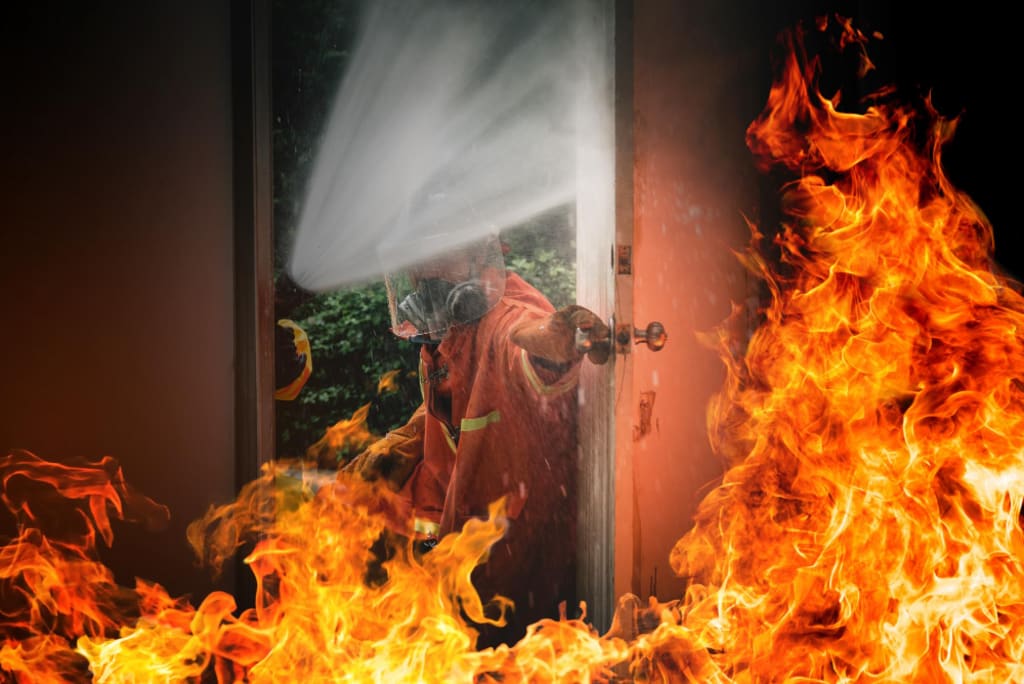
Fire is one of the most destructive forces known to man, and it can strike at any time. Your home and belongings are among your most valuable assets, so protecting them from fire should be a top priority. That's where fire insurance comes in – this type of coverage can help you recover financially if your property is damaged by fire. In this blog post, we'll explore why fire insurance is so important and what steps you can take to ensure that you have adequate coverage for your needs. So let's dive in!
What is Fire Insurance?
A fire insurance policy is a contract between you and an insurance company. You agree to pay premiums, and the insurer agrees to pay for covered losses in the event of a fire. Fire insurance can help you financially recover from a loss caused by fire or smoke damage.
Most homeowners’ insurance policies include some coverage for fires, but it may not be enough to rebuild your home or replace all of your belongings. That’s why it’s important to have both homeowners’ insurance and fire insurance. Homeowners’ insurance covers your dwelling and other structures on your property, such as fences and sheds. It also covers your personal belongings, but usually has limits on certain items, such as jewelry, art, or electronics. Fire insurance covers damage caused by fires or smoke and can help you replace what was lost.
If you live in a high-risk area for wildfires or earthquakes, you may need to purchase a separate policy for these perils. You can also purchase endorsements, which are added to your existing policy, to cover specific items that may have high limits, such as jewelry or computers.
Why Is It Important?
A fire can happen at any time, without warning. And when it does, the damage it can cause to your home and belongings can be devastating. That's why it's so important to have fire insurance. Fire insurance will help you financially recover from a fire by providing you with money to repair or replace your damaged home and belongings.
Without fire insurance, you would have to pay for all of the damage caused by a fire out of your own pocket. This could easily put you into debt or force you to sell your home and belongings in order to pay for the repairs. Fire insurance protects you from this financial burden and gives you peace of mind in knowing that you're covered in the event of a fire.
If you own a home or other property, don't wait until a fire happens to find out if you're properly insured. Make sure you have adequate coverage by speaking with your insurance agent today.
Types of Fire Insurance Coverage
There are three main types of fire insurance coverage: replacement cost, actual cash value, and extended replacement cost.
Replacement cost is the most common type of coverage and pays to repair or replace your home and belongings with materials of like kind and quality without deducting for depreciation.
Actual cash value pays to repair or replace your home and belongings after deducting for depreciation.
Extended replacement cost is similar to replacement cost coverage, but with an additional 20-25% cushion to help cover the increased costs of construction.
Factors That Determine the Cost of Fire Insurance
There are a few different factors that will affect the cost of your fire insurance premium. The first is the replacement value of your home and belongings. This is the amount it would cost to replace everything you own in the event of a complete loss. The second factor is the type of coverage you choose. Basic fire insurance will cover the replacement value of your home and belongings, but there are also additional coverages that can be added on for an additional cost. The third factor is your deductible. This is the amount you would pay out-of-pocket in the event of a claim before your insurance company would start paying. Higher deductibles usually mean lower premiums.
How to Choose the Right Fire Insurance Company
When it comes to choosing a fire insurance company, there are a few things you need to take into account. The first is the size of the company. You want to make sure that the company you choose is large enough to cover the cost of your home and belongings in the event of a fire. The second thing you need to consider is the company's reputation. Make sure that you research the company thoroughly and read reviews from past customers before making your decision. Make sure you get quotes from multiple companies before choosing one. This will help you ensure that you are getting the best possible rate.
Tips for Purchasing Homeowners’ Fire Insurance
When it comes to buying homeowners’ fire insurance, there are a few things you need to keep in mind. First and foremost, you need to make sure that you’re getting coverage from a reputable insurer. There are a lot of insurers out there, so it’s important to do your research and find one that is financially sound and has a good reputation.
Next, you need to make sure that you understand exactly what your policy covers. Some policies will only cover the dwelling itself, while others will also cover your personal belongings. Make sure you know what’s included in your policy so that you can make an informed decision about how much coverage you need.
Don’t forget to shop around and compare rates before making a decision. Fire insurance premiums can vary significantly from one insurer to the next, so it pays to shop around and get multiple quotes before making a purchase. By following these tips, you can be sure that you’re getting the best possible deal on fire insurance for your home.
Conclusion
Fire insurance is an invaluable tool for protecting your home and all of the belongings inside it. Investing in fire insurance can give you peace of mind that, if a disaster were to occur, you would be covered and able to recover quickly. With so many options available on the market, finding the right type of coverage is key. Make sure to take time to research your options thoroughly and choose an insurer who will provide reliable coverage at a competitive price.
About the Creator
Keep reading
More stories from Shreya Varma and writers in Humans and other communities.
Why Contractors Need General Liability Insurance: Protecting Your Business and Assets
As a contractor, you're no stranger to the risks and challenges that come with running your own business. From managing employees to securing new contracts and completing projects on time, there's never a shortage of things to worry about. But have you considered the importance of protecting your business and assets with general liability insurance? In this blog post, we'll explore why contractors need general liability insurance and how it can help safeguard your livelihood against unexpected events that could threaten everything you've worked so hard for. So let's dive in!
By Shreya Varma3 years ago in Humans
Time to change your life.
Is it even possible for you to change your life? A lot of people, more than there should be, are unhappy with their lives. But what are they doing about it? Usually nothing. People talk about how shitty their lives are and want change, but are they not taking the actions to change?
By Jen Phillips2 days ago in Humans
How Relationship Satisfaction Impacts Mental Health And Life Fulfillment Levels
Relationship satisfaction is a concept that defines how well, supported and emotionally stable people are in their relationships. Satisfying relationships offer comfort, trust, and a sense of belonging which are directly helpful in mental health. Emotional attachment decreases loneliness and provides a stable emotional formation. This stability assists people to handle stress more efficiently and at least remain emotionally balanced, which is a positive factor in general wellbeing and life satisfaction.
By Robert Smitha day ago in Humans


Comments
There are no comments for this story
Be the first to respond and start the conversation.