
The impact of social media on mental health
Navigating the Digital Landscape
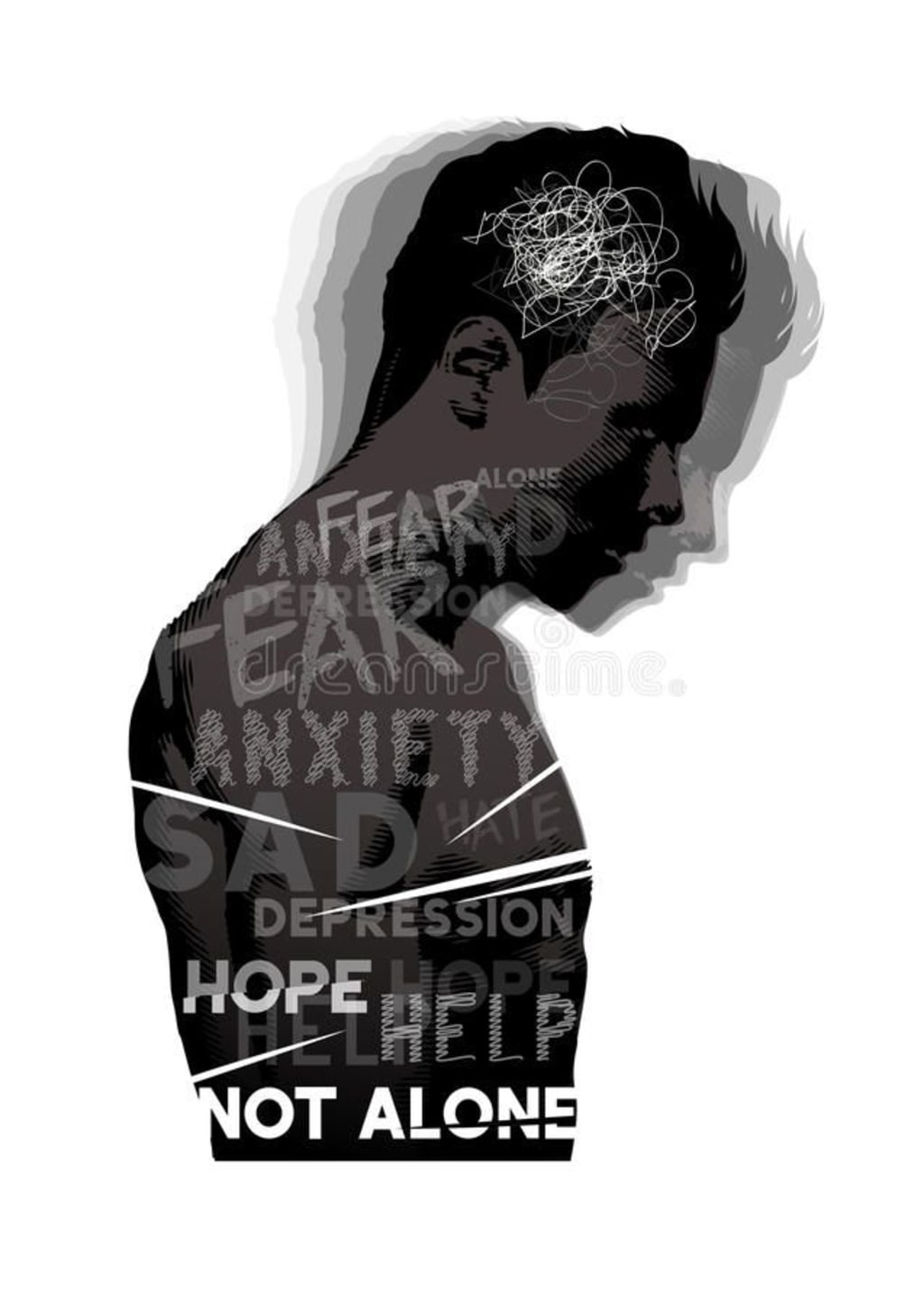
In this digital age, social media has become an integral part of our daily lives if not its entirety, transforming the way we communicate, share information, and our connection with others. While social media platforms offer numerous benefits and opportunities for self-expression and communication medium amongst others, there is growing concern about their impact on mental health. This article explores the various ways in which social media affects mental well-being and provides insights on navigating the digital landscape responsibly.
The Influence of Social Media on Mental Health:
1. Comparison and Self-Esteem:
One of the primary concerns associated with social media is the negative impact it can have on individuals' self-esteem. Platforms like Facebook, Instagram, and Twitter often present curated and idealized versions of people's lives(fake life), leading to social comparison. Constant exposure to carefully constructed posts showcasing success, beauty, and happiness can contribute to feelings of inadequacy, leading to diminished self-esteem and increased anxiety.
2. Cyberbullying and Online Harassment:
The anonymous nature of social media can give rise to cyberbullying and online harassment, which can severely impact mental health. The ease with which hurtful comments and malicious behavior can be shared can lead to feelings of distress, social isolation, and even depression. A good example is the so called dragging on twitter. It is crucial for individuals and social media platforms to actively combat and prevent such harmful behavior.
3. Fear of Missing Out:
The phenomenon of Fear Of Missing Out has been amplified by social media, where people constantly compare their lives to the highlight reels of others even when they don't know the actual situation of the people they are comparing themselves to. The fear of missing out on experiences and events can contribute to anxiety and a constant need to be connected. The pressure to stay constantly engaged with social media platforms can take a toll on mental well-being, causing stress and a sense of inadequacy.
4. Sleep Disruptions and Addiction:
Almost everybody stay up late at night while going through one or more social media platforms. Excessive use of social media, particularly before bedtime, has been linked to sleep disturbances. Apart from the harmful effect of staring at the screen for a long time in which the light emitted by screens affects eyes, the engaging nature of social media can interfere with sleep patterns, leading to fatigue and impaired cognitive function. Moreover, the addictive nature of social media can consume significant amounts of time, detracting from real-world social interactions and personal well-being.
Navigating the Digital Landscape Responsibly:
1. Setting Boundaries:
Establishing healthy boundaries with social media is crucial for maintaining mental well-being. This can include limiting daily usage, designating device-free periods, and creating specific times for social media engagement. By setting boundaries, individuals can regain control over their online presence and focus on activities that promote self-care and personal growth.
2. Curating Online Content:
Being mindful of the content consumed on social media is essential. Actively curate your feed by following accounts that inspires and uplifts you, unfollowing those that evoke negative emotions, and diversifying the perspectives you encounter. Surrounding yourself with positive and supportive content can immensely contribute to a healthier online experience.
3. Engaging Authentically:
Being mindful of how we present ourselves online is key to preserving our mental well-being. Authenticity and vulnerability can counteract the pressure to portray an idealized version of ourselves. By sharing both successes and struggles, we contribute to a more realistic and compassionate digital environment.
4. Seeking Support:
The benefit of seeking support can not be overemphasized. If social media begins to impact your mental health negatively, seeking support from trusted friends, family, or mental health professionals is crucial. Sharing concerns and emotions with others can provide perspective and help in navigating the challenges of the digital landscape.
Conclusion:
Social media is a powerful tool that has revolutionized the way we connect and communicate. However, it is important to recognize the potential impacts it can have on our mental health. By understanding these challenges and implementing responsible practices, we can ensure that social media remains a positive force in our daily lives. Navigating the digital landscape with intention, setting boundaries, and fostering meaningful connections will help us strike a balance between the virtual world and our mental well-being.
About the Creator
Taoheed Oyeniyi
I am an Engineering student and a Data scientist and Machine learning engineer. I have a dynamic and complex nature. I love learning new things a lot which makes me multitask. I have a cheerful and friendly nature and I love privacy.
Reader insights
Outstanding
Excellent work. Looking forward to reading more!
Top insights
Expert insights and opinions
Arguments were carefully researched and presented
Eye opening
Niche topic & fresh perspectives
Heartfelt and relatable
The story invoked strong personal emotions
Masterful proofreading
Zero grammar & spelling mistakes
On-point and relevant
Writing reflected the title & theme
Keep reading
More stories from Taoheed Oyeniyi and writers in Humans and other communities.
The rise of Virtual Reality in the educational sector
Education is a dynamic field, constantly evolving to adapt to new technologies and trends. One of the most exciting developments in recent years has been the rise of virtual reality (VR) in education. Virtual reality is revolutionizing the way we learn by providing immersive and interactive experiences that engage students in ways previously unimaginable. From elementary schools to universities, VR is transforming education across all levels and subjects even though it hasn't been totally implemented in the educational sector globally.
By Taoheed Oyeniyi3 years ago in Education
Whiskey At Dusk
Guess the whiskey was more important to you in the end, wasn’t it? It was more than the well-being of your friends; more vital than showing up to the places you promised you would and could come to; more critical of a matter than fulfilling your damn responsibilities and getting the press off your back.
By Snarky Lisaabout 18 hours ago in Humans
The Hot Springs Arkansas Fight That Shook a Quiet Community
On an ordinary day, a sudden fight can turn a familiar place into something unrecognizable. That is what many residents felt after the hot springs arkansas fight became the center of local conversation. Hot Springs is known for calm streets, old buildings, and a pace that allows people to breathe. When violence breaks that rhythm, it lingers in memory. People replay what they heard, what they saw, and what they wish had gone differently. This article looks beyond the moment itself. It explores how the hot springs arkansas fight affected the town, why such incidents feel heavier in small communities, and what they reveal about stress, conflict, and human limits. The goal is not to sensationalize pain, but to understand it.
By Muqadas khana day ago in Humans




Comments
There are no comments for this story
Be the first to respond and start the conversation.