
The rise of Virtual Reality in the educational sector
Transforming the way we learn
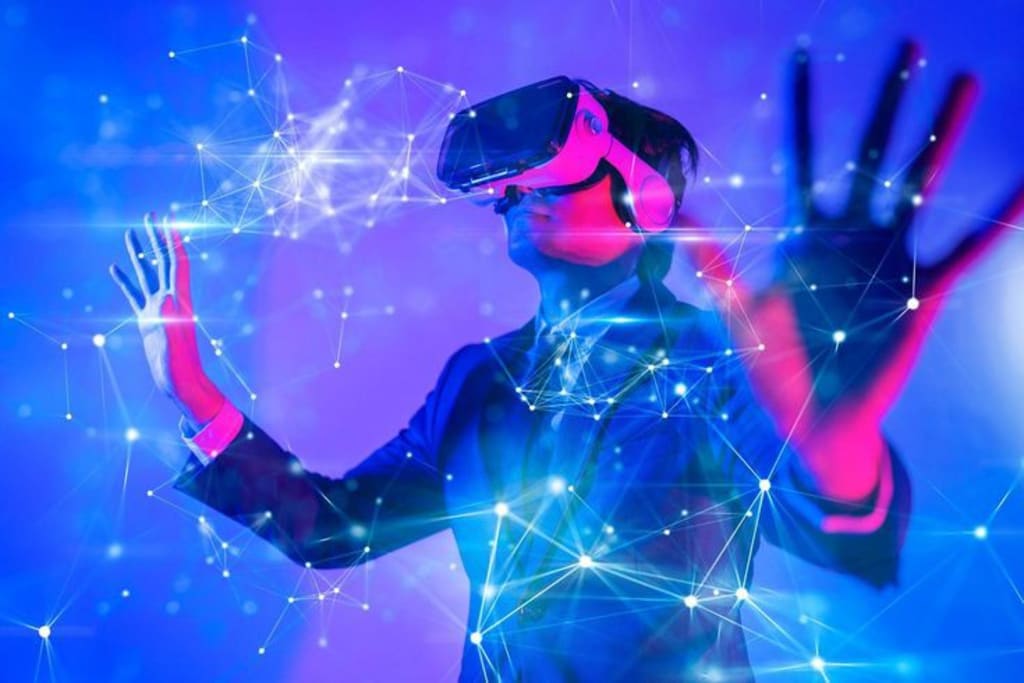
Education is a dynamic field, constantly evolving to adapt to new technologies and trends. One of the most exciting developments in recent years has been the rise of virtual reality (VR) in education. Virtual reality is revolutionizing the way we learn by providing immersive and interactive experiences that engage students in ways previously unimaginable. From elementary schools to universities, VR is transforming education across all levels and subjects even though it hasn't been totally implemented in the educational sector globally.
What is Virtual Reality and how does it impact education? Virtual Reality refers to a computer-generated environment that simulates a realistic experience, allowing users to interact with and explore the digital world. VR devices, such as headsets and controllers, transport users to virtual environments, providing a sense of presence and immersion. In education, VR is being used to create interactive simulations, virtual field trips, and three-dimensional models that enhance learning outcomes and student engagement.
One of the most significant advantages of VR in education is its ability to bring abstract concepts to life. Traditional teaching methods often rely on textbooks and lectures to convey complex ideas, leaving students struggling to grasp the concepts. Most students find it difficult to understand what they are being taught in class simply because the learning method is more of theory than practical and theoretical learning doesn't take visuality into account. However, with VR, students can step into a virtual environment that represents these abstract concepts in a concrete and interactive manner. For instance, in science classes, students can explore the inner workings of a cell or travel back in time to witness historical events, fostering a deeper understanding and retention of knowledge.
Moreover, VR offers students the opportunity to engage in experiential learning. Instead of simply reading about historical landmarks or scientific experiments, students can actively participate in them. They can visit ancient civilizations, conduct chemistry experiments in a virtual lab, or even explore the vastness of space. By engaging multiple senses and promoting active learning, VR enables students to become active participants in their education, leading to increased motivation and deeper learning experiences.
Another remarkable aspect of VR is its potential to foster collaboration and social interaction in education. With virtual reality, students can connect with peers and educators from around the world, transcending physical boundaries. They can collaborate on projects, participate in virtual classrooms, and engage in discussions, creating a global learning community. This not only promotes cultural exchange and diversity but also prepares students for the interconnected world they will enter as adults.
Moreso, VR has proven to be particularly beneficial for students with different learning styles and special needs. Traditional teaching methods often struggle to accommodate the diverse needs of students, but VR can personalize the learning experience giving the students the opportunity to learn things the way they visualize it. Students can learn at their own pace, receive immediate feedback, and access additional resources tailored to their learning styles. This inclusivity and adaptability of VR make it a powerful tool for creating an equitable and accessible education system.
As with any emerging technology, the implementation of VR in education does come with its challenges. Cost and accessibility remain significant barriers to widespread adoption. VR equipment can be expensive for example, the apple vision pro costs over $3,499 and that's like 2.8 million naira in the Nigerian currency, and not all schools have the resources to invest in such technology. However, as the technology continues to advance, costs are expected to decrease, making it more accessible to educational institutions.
Furthermore, there is a need for robust content creation and curriculum integration. Educators need training and support to effectively incorporate VR into their teaching practices. Collaboration between technology developers and educators is crucial to creating high-quality educational content that aligns with curriculum standards and learning objectives. Additionally, considerations must be given to the potential impact of prolonged VR use on students' physical health and well-being.
Despite these challenges, the potential of virtual reality in education is undeniable. It has the power to revolutionize the way we learn, making education more engaging, immersive, and inclusive. By leveraging on the capabilities of VR, educators can provide students with unique learning experiences that will foster critical thinking, creativity, and a high and effective problem-solving skills. As the technology continues to evolve and become more accessible, we can expect virtual reality to play an increasingly prominent role in classrooms worldwide.
Lastly, the rise of virtual reality in education is transforming the way we learn. It offers immersive and interactive experiences that bring abstract concepts to life, fosters collaboration, and accommodates diverse learning needs. While challenges remain, the potential benefits of VR in education cannot be overemphasized. As educators and developers work together to overcome these challenges, virtual reality will continue to revolutionize education, shaping a new era of immersive and personalized learning experiences for students globally.
About the Creator
Taoheed Oyeniyi
I am an Engineering student and a Data scientist and Machine learning engineer. I have a dynamic and complex nature. I love learning new things a lot which makes me multitask. I have a cheerful and friendly nature and I love privacy.
Keep reading
More stories from Taoheed Oyeniyi and writers in Education and other communities.
The impact of social media on mental health
In this digital age, social media has become an integral part of our daily lives if not its entirety, transforming the way we communicate, share information, and our connection with others. While social media platforms offer numerous benefits and opportunities for self-expression and communication medium amongst others, there is growing concern about their impact on mental health. This article explores the various ways in which social media affects mental well-being and provides insights on navigating the digital landscape responsibly.
By Taoheed Oyeniyi3 years ago in Humans
Navigating Economic Uncertainty with Strategic Property Investment
Economic uncertainty has become a constant presence in today’s financial landscape. From inflation and rising interest rates to global conflicts and supply chain disruptions, investors are increasingly concerned about protecting their assets and ensuring long-term financial security. Amid this volatility, real estate remains one of the most dependable investment vehicles. Its tangible nature, consistent income potential, and historical resilience make it a powerful tool for weathering financial storms.
By Accrue Real Estate6 days ago in Education



Comments
There are no comments for this story
Be the first to respond and start the conversation.