
the impact of social media on mental health
The role social media plays in mental health

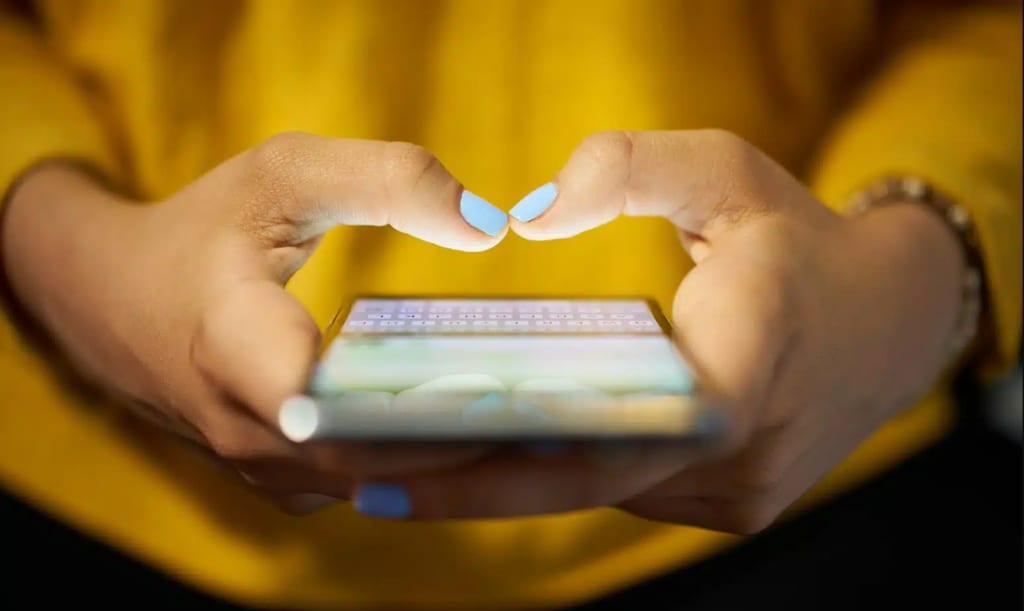
Social media has become an integral part of our lives, with billions of people around the world using platforms such as Facebook, Instagram, and Twitter to connect with others, share information, and stay up-to-date on news and events. However, there is growing concern about the impact of social media on mental health, as research has shown that excessive use can contribute to a range of negative outcomes, from anxiety and depression to addiction and cyberbullying.
One of the primary ways in which social media can impact mental health is through social comparison. Social media platforms are designed to showcase the best moments of people's lives, with users often presenting highly curated images and posts that highlight their achievements, relationships, and experiences. This can create unrealistic expectations and lead to negative self-comparisons, which can contribute to anxiety, depression, and other mental health issues.
Cyberbullying is another negative outcome that can result from social media use. Cyberbullying can take many forms, from harassment and spreading rumors to posting hurtful comments or images, and can have serious negative effects on mental health. Victims of cyberbullying may experience feelings of shame, isolation, and low self-esteem, which can contribute to anxiety, depression, and even suicide.
In addition, social media can be addictive, with excessive use leading to negative mental health outcomes. Spending too much time on social media can interfere with sleep, social interactions, and other healthy activities, which can lead to feelings of depression, anxiety, and loneliness.
The constant stream of information and updates on social media can also create a fear of missing out (FOMO) in some individuals. FOMO can lead to feelings of anxiety, stress, and dissatisfaction with one's own life, as individuals compare their experiences to those of others.
Despite these negative effects, there are ways to use social media in a healthy way. Setting limits on social media use, cultivating positive interactions, practicing mindfulness, and seeking support when needed can all help mitigate the impact of social media on mental health.
Setting limits on social media use is an important strategy for reducing the negative effects of social media on mental health. This can include setting a specific time limit for social media use each day, or taking regular breaks from social media altogether. Cultivating positive interactions on social media, such as connecting with friends and family, joining supportive communities, and sharing positive experiences and content, can also help promote positive mental health outcomes.
Practicing mindfulness, such as through meditation or yoga, can help individuals become more aware of their thoughts and feelings, and can reduce the negative impact of social media on mental health. Seeking support from a mental health professional or trusted friend or family member can also be an effective way to address negative mental health outcomes associated with social media use.
One of the key ways in which social media can impact mental health is through the phenomenon of "social comparison." People tend to present their best selves on social media, sharing the most flattering pictures and the most exciting updates from their lives, which can create unrealistic expectations and lead to feelings of inadequacy in others. This can contribute to anxiety, depression, and other mental health issues, particularly in individuals who are already vulnerable to these conditions.
Cyberbullying is another negative impact of social media on mental health. Cyberbullying is a form of bullying that takes place online, and can include harassment, spreading rumors, or posting hurtful comments or images. Victims of cyberbullying may experience feelings of shame, isolation, and low self-esteem, which can contribute to anxiety, depression, and even suicide.
Social media addiction is another concern when it comes to mental health. Social media is designed to be "sticky," with features such as likes, comments, and notifications that trigger the reward centers of our brains. This can lead to compulsive use, which can interfere with sleep, social interactions, and other healthy activities, leading to feelings of depression, anxiety, and loneliness.
The constant stream of information and updates on social media can also create a fear of missing out (FOMO) in some individuals. FOMO can lead to feelings of anxiety, stress, and dissatisfaction with one's own life, as individuals compare their experiences to those of others.
Despite these negative effects, there are ways to use social media in a healthy way. One strategy is to set limits on social media use, such as by designating specific times of day for checking social media or limiting the amount of time spent on social media each day. Another strategy is to cultivate positive interactions on social media, such as by connecting with supportive communities or sharing positive experiences and content.
Practicing mindfulness can also be an effective way to reduce the negative impact of social media on mental health. Mindfulness practices, such as meditation or yoga, can help individuals become more aware of their thoughts and feelings, and can reduce the negative impact of social comparison and FOMO.
Finally, seeking support from a mental health professional or trusted friend or family member can be an effective way to address negative mental health outcomes associated with social media use. A mental health professional can help individuals develop healthy coping strategies and address underlying mental health conditions that may be exacerbated by social media use.
the positive interactions on social media:
1. Sharing positive news or accomplishments: Sharing positive news or accomplishments with your social media network can help spread positivity and inspire others. For example, sharing a photo of a recent achievement or accomplishment, such as completing a marathon or getting a promotion, can be a great way to celebrate and inspire others.
2. Joining supportive communities: Many social media platforms have groups or communities focused on specific topics or interests. Joining a supportive community can provide an opportunity to connect with others who share your interests or experiences, and can provide a sense of belonging and support.
3. Sharing uplifting quotes or memes: Sharing uplifting quotes or memes can help spread positivity and inspiration on social media. For example, sharing a quote about resilience or perseverance can provide encouragement to others who may be struggling.
4. Sending supportive messages: Sending supportive messages to friends or family members on social media can provide a sense of connection and support. For example, sending a message to a friend who is going through a difficult time can help them feel less alone and more supported.
5. Complimenting others: Complimenting others on social media can help promote positivity and boost self-esteem. For example, commenting on a friend's post to tell them how great they look or how proud you are of them can help build their confidence and strengthen your relationship.
In conclusion, while social media can have negative impacts on mental health, there are strategies for using social media in a healthy way. By setting limits on social media use, cultivating positive interactions, practicing mindfulness, and seeking support when needed, individuals can promote positive mental health outcomes and mitigate the negative effects of social media on mental health.
About the Creator
Keep reading
More stories from abdelftah mostafa and writers in Humans and other communities.
Triumph at the Treadmill: A Journey Through Sweat and Success
Sport and gym workouts are two of the most popular ways to stay fit and healthy. Both offer a wide range of benefits, from improved cardiovascular health to increased strength and endurance. But what happens when you combine the two? In this article, we'll explore the benefits of combining sports and gym workouts, and how this combination can help you achieve your fitness goals.
By abdelftah mostafa3 years ago in Beat
10 Best Sugar Daddy Dating Sites in Europe to Meet European Sugar Daddies (2026 Guide)
The Best Sugar Daddy Dating Sites in Europe to Meet European Sugar Daddies have become increasingly popular as modern relationships evolve and people look for mutually rewarding connections across different European countries. In recent years, sugar dating has grown into a well-known lifestyle where successful, generous men connect with attractive companions who appreciate mentorship, lifestyle upgrades, and meaningful companionship. Across cities such as Paris, London, Berlin, Milan, and Madrid, wealthy professionals are turning to specialized dating platforms to meet compatible partners who understand the dynamics of sugar relationships. These websites provide structured environments where expectations are clear, communication is open, and both individuals can explore connections that blend romance, lifestyle benefits, and emotional companionship.
By Mark Hipster2 days ago in Humans
The First Rainbow Baby
Pitter-patter, pitter-patter. The rain fell in rhythmic splatters, slowly slowing, but still constant. Mira rolled onto her side pulling the blanket tight against her ears, but still she could hear chitter-chatter and scurrying feet of the creatures that refused to sleep in the lower decks.
By A. J. Schoenfeld3 days ago in Fiction


Comments
There are no comments for this story
Be the first to respond and start the conversation.