
The Impact of Internet of Things (IoT) on Smart Cities
Transforming Urban Life
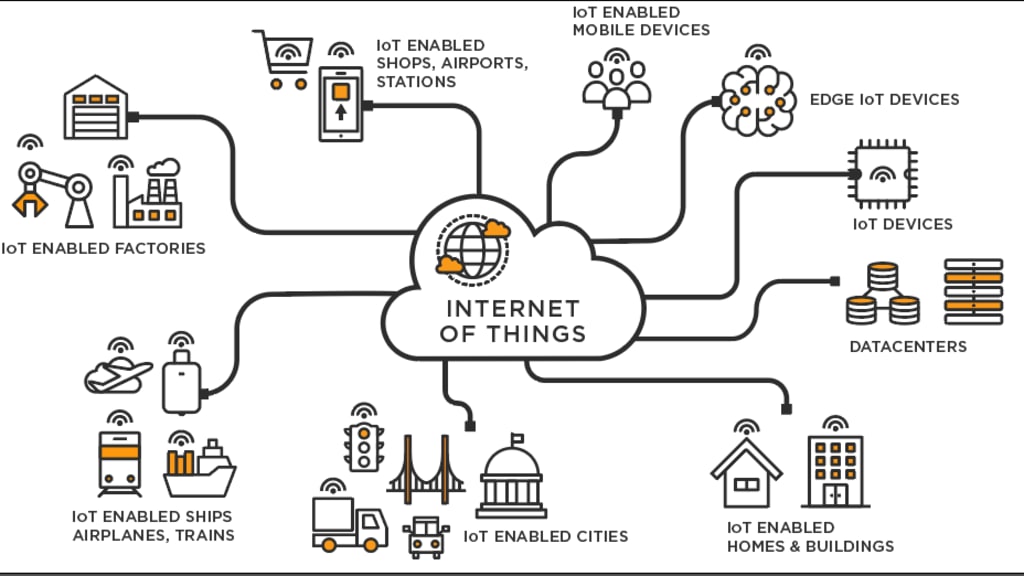
In recent years, the Internet of Things (IoT) has emerged as a game-changing technology, revolutionizing various aspects of our lives. One area where IoT has had a profound impact is in the development of smart cities. Through its network of interconnected devices and systems, IoT has transformed urban environments into intelligent, efficient, and sustainable ecosystems. This article delves into the transformative power of IoT in smart cities, exploring its benefits, challenges, and potential future developments.
1. Enhancing Infrastructure and Utilities:
IoT has enabled the creation of smart infrastructures, optimizing the functioning of utilities such as electricity, water supply, waste management, and transportation systems. Sensors and smart meters deployed across the city enable real-time monitoring, efficient resource allocation, and predictive maintenance, leading to cost savings and improved service delivery.
2. Efficient Traffic Management:
IoT-based solutions have revolutionized traffic management in smart cities. Intelligent transportation systems equipped with sensors, cameras, and data analytics facilitate real-time traffic monitoring, congestion detection, and adaptive traffic control. This leads to reduced commute times, improved air quality, and enhanced road safety.
3. Improving Public Safety and Security:
IoT-enabled devices and systems have bolstered public safety and security measures in smart cities. Surveillance cameras, connected sensors, and data analytics platforms enable proactive monitoring of public spaces, early detection of incidents, and swift response to emergencies. Moreover, IoT aids in disaster management by providing real-time data and enabling efficient evacuation procedures.
4. Enhancing Energy Efficiency:
Smart grids powered by IoT technology have revolutionized energy management in smart cities. IoT sensors, coupled with advanced analytics, enable real-time monitoring of energy consumption, peak load management, and smart metering. This data-driven approach promotes energy efficiency, reduces carbon footprint, and facilitates the integration of renewable energy sources into the grid.
5. Enabling Sustainable Waste Management:
IoT plays a pivotal role in transforming waste management practices in smart cities. Smart bins equipped with sensors and connected to a centralized system optimize waste collection routes, notify authorities when bins are full, and enable efficient recycling processes. This minimizes operational costs, reduces environmental impact, and promotes a cleaner and healthier urban environment.
6. Empowering Citizen Engagement:
IoT empowers citizens by providing them with access to real-time information and interactive platforms. Through smartphone applications and connected devices, residents can actively participate in city governance, report issues, and access services. This fosters a sense of community, facilitates efficient service delivery, and enables data-driven decision-making by city authorities.
7. Facilitating Smart Building Management:
IoT technologies have transformed building management in smart cities. Connected sensors and devices enable the monitoring and control of energy usage, temperature, lighting, and security systems. This leads to optimized energy consumption, improved occupant comfort, and reduced operational costs for both residential and commercial buildings.
Challenges and Future Directions:
While the potential of IoT in smart cities is immense, it is not without its challenges. Privacy and security concerns, interoperability issues, and the need for robust data governance are some of the key challenges that must be addressed. Additionally, the scale and complexity of IoT implementation require strong public-private partnerships, investment in infrastructure, and skilled workforce development.
Looking ahead, the future of IoT in smart cities holds even greater promise. Advancements in edge computing, artificial intelligence, and 5G connectivity will further enhance the capabilities of IoT, enabling real-time data processing, predictive analytics, and seamless connectivity. Moreover, the integration of IoT with emerging technologies like blockchain will provide enhanced security, transparency, and trust in the smart city ecosystem.
Conclusion:
The impact of IoT on smart cities has been transformative, revolutionizing the way urban areas function and improving the quality of life for residents. From efficient resource management to improved safety and sustainability, IoT is reshaping our cities into intelligent, connected, and livable spaces. However, addressing challenges and ensuring responsible and inclusive deployment of IoT technologies will be crucial for realizing the full potential of smart cities in the future. With continued innovation and collaboration, the IoT-driven transformation of our urban landscapes will only continue to accelerate.
About the Creator
A Dart at Dusk
Seconds ago, the sullen sun set on the two of us… my exuberant furry companion and me. A fresh breeze embraces us, delivering welcome relief from the day’s oppressive heat. His typical stumbling and staggering along — apace with a sloth — has turned into trip-trapping, high-stepping, almost skipping along.
By Angie the Archivist 📚🪶5 days ago in Petlife


Comments
There are no comments for this story
Be the first to respond and start the conversation.