
"The Impact of Artificial Intelligence on Human Creativity: Exploring the Balance Between Automation and Originality"
Exploring the Balance Between Automation and Originality
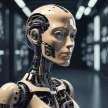

Title: The Impact of Artificial Intelligence on Human Creativity: Exploring the Balance Between Automation and Originality
Introduction:
Artificial Intelligence (AI) has emerged as a transformative force across various domains, including creative fields. This essay delves into the complex interplay between AI and human creativity, examining how automation affects originality in creative processes. While AI offers unprecedented efficiency and innovation, it also raises questions about the preservation of human ingenuity and authenticity.
AI's Role in Creative Automation:
AI algorithms, fueled by vast datasets and advanced computational power, excel in tasks traditionally associated with human creativity. From generating art and music to crafting literature and design, AI algorithms demonstrate remarkable capabilities in mimicking and even surpassing human outputs. For instance, deep learning models can compose symphonies, paint masterpieces, and write compelling stories with minimal human intervention. This automation streamlines creative workflows, enabling rapid ideation and production at scale.
Enhancing Creativity Through Collaboration:
Rather than replacing human creators, AI often serves as a collaborative tool, augmenting their capabilities and expanding creative possibilities. By analyzing diverse datasets and uncovering intricate patterns, AI can inspire human creators, sparking new ideas and approaches. Collaborative platforms such as Google's Magenta and OpenAI's GPT models empower creators to explore uncharted territories and experiment with unconventional concepts. This symbiotic relationship between AI and human creativity fosters innovation and fosters interdisciplinary collaborations.
Challenges to Originality:
Despite its potential benefits, the integration of AI into creative processes raises concerns about the erosion of originality and artistic integrity. AI-generated works, while impressive, lack the inherent human experiences, emotions, and nuances that underpin authentic creativity. Moreover, the proliferation of AI-generated content blurs the distinction between original works and machine-generated imitations, challenging traditional notions of authorship and artistic value. This commodification of creativity commodifies creativity, raising ethical and legal dilemmas regarding ownership, attribution, and plagiarism.
Preserving Human Ingenuity:
To safeguard human creativity in the age of AI, it is imperative to nurture and celebrate the distinctiveness of human expression. Emphasizing craftsmanship, personal narratives, and emotional resonance can imbue creative works with a unique human touch that transcends algorithmic efficiency. Additionally, cultivating critical thinking skills and encouraging experimentation can empower creators to harness AI as a tool for exploration rather than a substitute for genuine creativity. By embracing diversity, authenticity, and cultural heritage, human creators can assert their creative agency amidst technological advancements.
The Future of Creativity:
As AI continues to evolve, its impact on human creativity will undoubtedly intensify, prompting ongoing discussions and adaptations. Rather than viewing AI as a threat, embracing its potential to democratize creativity and amplify human expression can pave the way for a more inclusive and innovative creative landscape. By leveraging AI's capabilities to augment human creativity while preserving its intrinsic value, society can unlock new frontiers of artistic exploration and cultural enrichment.
Conclusion:
The intersection of artificial intelligence and human creativity presents a fascinating confluence of innovation, challenges, and opportunities. While AI offers unprecedented potential to streamline creative processes and push the boundaries of artistic expression, it also raises profound questions about the nature of creativity, originality, and cultural identity. By navigating the delicate balance between automation and authenticity, humanity can harness the transformative power of AI to enrich our collective creative endeavors and shape a more vibrant and inclusive creative future.
About the Creator
Eva
Being real and love for nature is the best feeling of humanity
Keep reading
More stories from writers in Humans and other communities.
The Age of Faux Victimhood: Why the Beckham Story Strikes a Nerve
The unfolding public rift between Brooklyn Beckham, his wife Nicola Peltz, and the Beckham family has become more than a celebrity feud splashed across headlines. It has evolved into a cultural mirror, reflecting a generational pattern that many families—famous or not—are now confronting. What began as a series of cryptic social media posts and tabloid whispers has grown into a full‑blown estrangement, with Brooklyn declaring he has no desire to reconcile with his parents and accusing them of manipulation, sabotage, and emotional harm. His statements, amplified by the presence and influence of his wife, have been framed as a young couple “standing up for themselves,” but the deeper story reveals something far more familiar and far more troubling: the rise of a demographic of young adults who have been conditioned to interpret discomfort as abuse, boundaries as oppression, and ordinary family conflict as justification for permanent exile. The Beckham saga is not just celebrity drama—it is a teaching story for all of us, a case study in entitlement, emotional immaturity, and the corrosive influence of partners who encourage estrangement rather than healing.
By Julie O'Hara - Author, Poet and Spiritual Warrior3 days ago in Humans


Comments
There are no comments for this story
Be the first to respond and start the conversation.