
"The Human Cost of War: Analyzing Civilian Casualties in Global Conflicts"
Civilian Deaths in State and Non-State Armed Conflicts
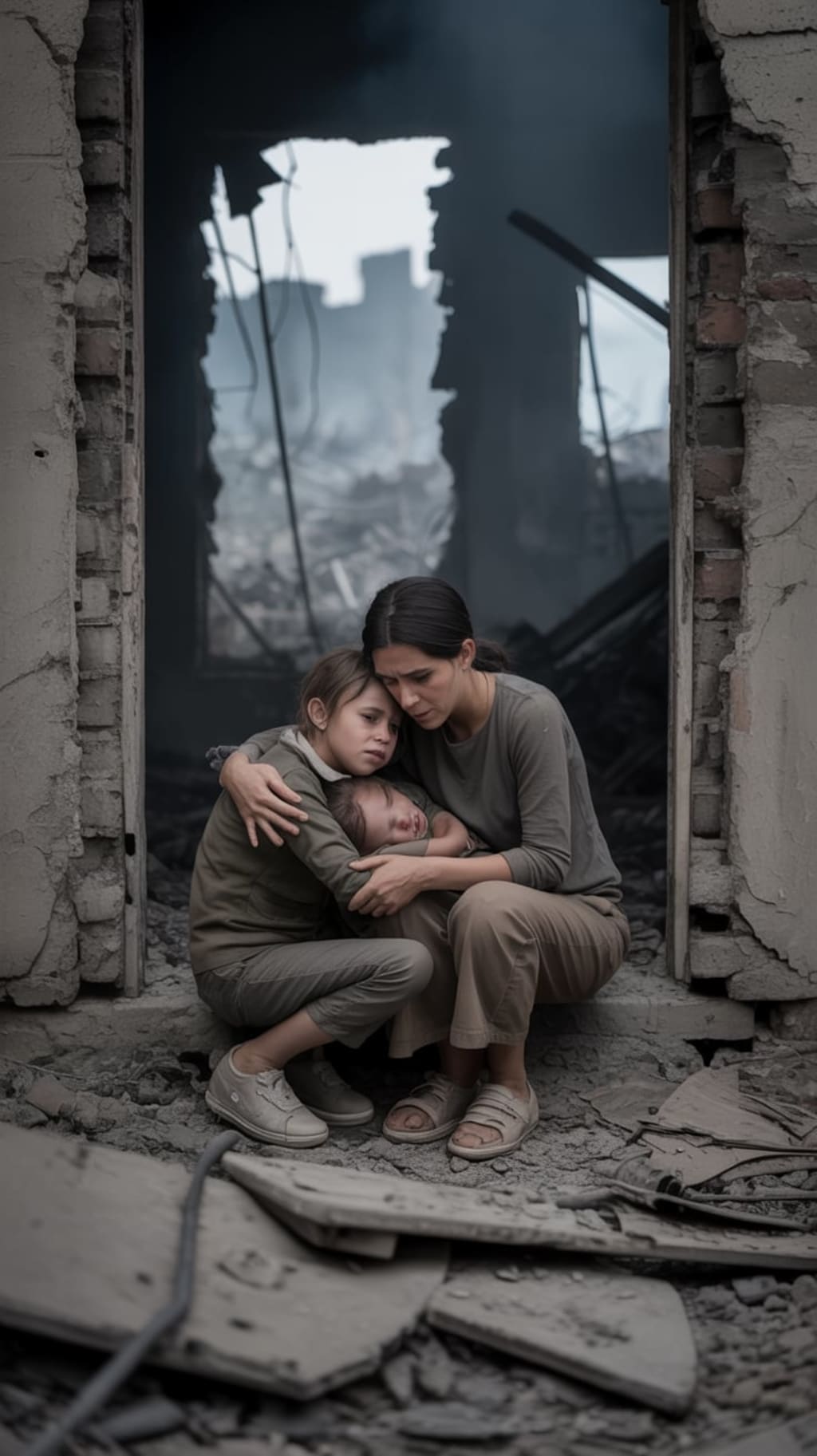
War, by its very nature, is often perceived through the lens of armies clashing, strategies unfolding, and nations vying for power. Yet, behind every battlefront and every strategic maneuver lies the untold story of millions of civilians—ordinary people whose lives are irrevocably shattered by violence not of their making. Across history, from the massive state-led conflicts of the world wars to the modern-day insurgencies and proxy wars fought by non-state actors, the cost borne by civilians is staggering and heartbreaking.
In the trenches of World War II, civilians in cities across Europe endured relentless bombings, starvation, and displacement. Entire neighborhoods in London, Dresden, and Tokyo were reduced to rubble. But civilians were not mere collateral damage—they were often deliberate targets, caught in the crossfire of military ambitions and ideological battles. The Holocaust remains the darkest example of civilian suffering, with six million Jews systematically exterminated, alongside millions of others targeted for their ethnicity, political beliefs, or disabilities.
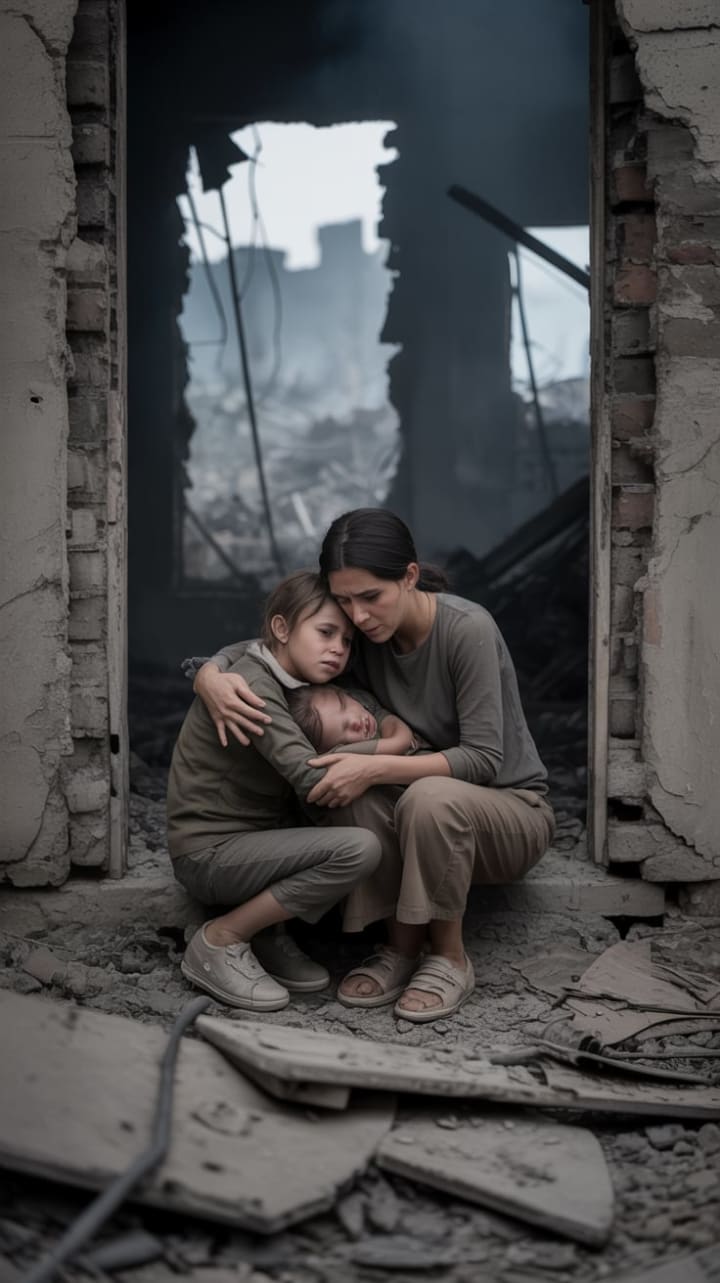
As the 20th century gave way to the 21st, the nature of armed conflict shifted. Large-scale interstate wars became less frequent, but the rise of non-state armed groups, civil wars, and proxy conflicts meant civilian populations were still bearing the brunt of violence. In Syria, for example, a brutal civil war has dragged on for more than a decade, resulting in hundreds of thousands of civilian deaths, millions displaced, and entire cities destroyed. The lines between combatants and civilians blur in such conflicts, where insurgents hide among civilian populations and governments sometimes resort to indiscriminate violence.
One chilling example is the battle for Aleppo, where civilians were trapped for months in a war zone. Stories emerged of families huddling in basements, lacking food, water, and medical care, while bombs fell relentlessly overhead. International humanitarian organizations struggled to deliver aid, hampered by ongoing violence and political complexities. The world watched, but the suffering persisted.
The impact of these conflicts goes beyond immediate death and injury. Civilian populations suffer from psychological trauma, loss of livelihoods, destruction of infrastructure, and breakdown of social order. Children grow up without access to education, health services collapse, and communities are torn apart by fear and mistrust. In many cases, civilians become refugees, fleeing to camps in neighboring countries or risking dangerous journeys across seas, hoping for safety.
Non-state armed groups, such as militias, insurgents, or terrorist organizations, often operate without regard for international humanitarian law, deliberately targeting civilians to spread terror or coerce governments. This complicates the protection of non-combatants and raises difficult questions about accountability. Meanwhile, some state actors engage in tactics that put civilians in harm’s way, either through indiscriminate bombings or by using civilians as human shields.
International organizations like the United Nations and the International Committee of the Red Cross have long sought to protect civilians in conflict zones. The Geneva Conventions set legal standards for the treatment of non-combatants, emphasizing the principle of distinction—differentiating between combatants and civilians—and proportionality in the use of force. However, enforcement remains a challenge. Political interests, lack of access, and the chaotic nature of modern warfare often mean these protections are ignored or violated.
The consequences are visible in statistics that are difficult to fully comprehend. According to various studies, civilian casualties now account for a majority of deaths in armed conflicts worldwide, a reversal from earlier wars where soldiers made up most fatalities. The silent suffering of these populations often goes unreported or is overshadowed by geopolitical narratives.
Stories of individual resilience and hope also emerge from these tragedies. In war-torn regions, grassroots organizations, local communities, and sometimes even former combatants work tirelessly to rebuild lives, restore trust, and advocate for peace. The world must listen to their voices and recognize that behind every statistic is a human being—someone’s child, parent, friend.
Ultimately, understanding the human cost of war requires more than numbers. It demands empathy and a commitment to preventing conflict and protecting civilians. As conflicts continue in various corners of the globe, the international community faces the urgent challenge of addressing not only the military and political dimensions but also the profound humanitarian consequences.
The story of civilian deaths in state and non-state armed conflicts is a sobering reminder of war’s devastating impact beyond the battlefield. It calls for renewed efforts in diplomacy, peacebuilding, and humanitarian aid to break the cycle of violence and give survivors a chance to heal and rebuild. Only then can the human cost of war be truly acknowledged—and hopefully, reduced.
About the Creator
Keep reading
More stories from Maavia tahir and writers in Humans and other communities.
"Alone in a Connected World
I have over 3,000 followers on Instagram, a couple hundred on TikTok, and dozens of active group chats on WhatsApp, Discord, and Snapchat. I’m "connected" in every digital way imaginable. Yet, last Friday night, I sat alone in my room, scrolling endlessly through other people’s lives, feeling an overwhelming sense of emptiness.
By Maavia tahir10 months ago in Humans
Co-Living Impacts Dating Dynamics Communication And Emotional Connection Significantly
Dating is greatly affected by co-living, in which couples or partners live together in one house. It brings about quick intimacy and interaction in real life and one gets a chance to learn about routines, habits, and preferences. Shared space brings intimacy as well as it reveals the possible difference of lifestyle including cleaning, schedules, and personal boundaries.
By Mark Hipster7 days ago in Humans




Comments
There are no comments for this story
Be the first to respond and start the conversation.