
The History of Mental Illness and Treatments
How has the views and treatment of mental illness changed over the years?

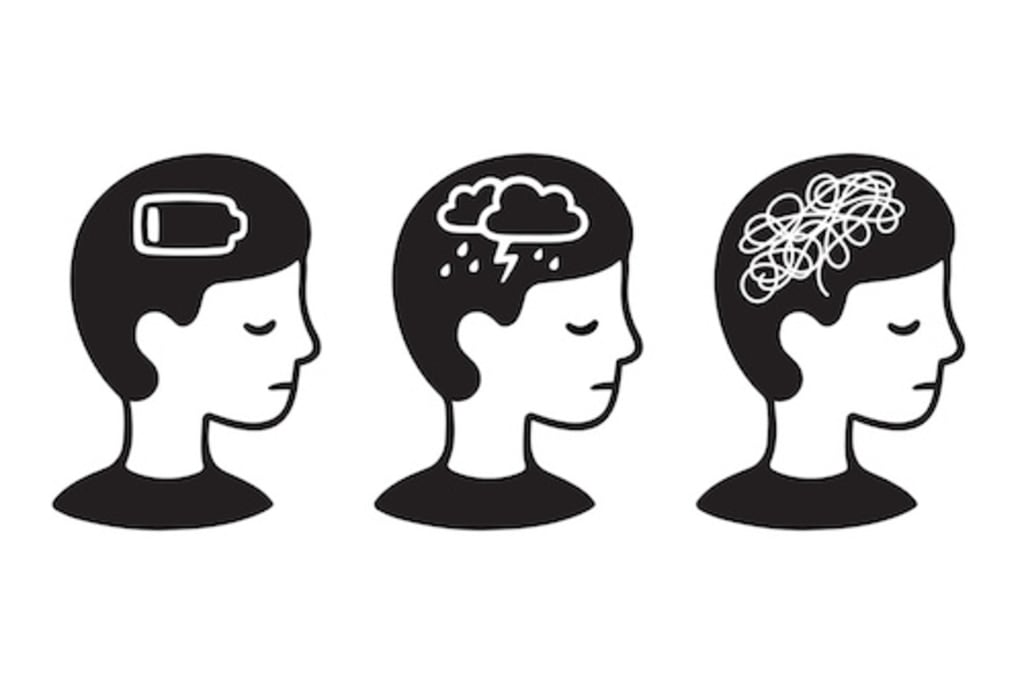
To many, the issues that surround mental illness seem like a more recent phenomenon, this isn't the case, however. Mental illness can be traced throughout history, dating back to the 19th century. During this time, the term mental hygiene was spreading through the medical field, but prior to the 19th century, there wasn't an official term to describe those who struggled with these emotional or behavioral illnesses.
Through documented cases of mental illness throughout history, it leaves us with ample amount of evidence that this has been an issue longer than recent years. There is a wide array of issues, ranging from anxiety to alcoholism. Many researchers have theorized that famous historical figures, such as Edgar Allen Poe, Ludwig Von Bethoveen, and Winston Churchill suffered from disorders. For example, it is speculated that Poe suffered from bipolar disorder, depression, as well as substance abuse.
Mental illnesses were around way before doctors were able to give a proper diagnoses or a proper name to the disorders. Now these disorders are known as depression, PTSD, and bipolar disorder, but before they were given these names, they were labeled as hysteria, shell shock, psychosis, and in some extreme cases, demonic possession.
Once the 20th century rolled around, society was finally able to acknowledge mental illness, and doctors were now able to begin treating the conditions.
The modern treatments for these disorders are far more effective and humane, and this is thanks to the result of evolved perceptions. With increased awareness benefiting society today, blowing the past perceptions of mental health out of the water, showing how truly dangerous the past was for mental health.
During the middle ages, those who were suffering from a mental disorder became outcasts, and in some cases, they were even seen as witches or proof of demonic possession. Ideas such as these didn't stop there, as time progressed, those suffering felt more and more discriminated against and the harmful ideas of society often became deadly.
When treatments started to develop, they were for the wrong things. If someone was deemed to be possessed, they were practically tortured with exorcisms, malnutrition, and inappropriate medications.
There were also other ideas that those who were mentally ill were just simply crazy or other-worldly, and this was influenced by the lack of effective treatments. And even now, people often struggle to understand the struggles of mental illness, and this often makes it challenging for patients to seek appropriate treatment.
Luckily, treatment for mental health has evolved immensely, but services haven't always been a benefit for those who need it.
During the 16th century, doctor decided to split mental illness into two categories: demonic possession or physical illness. If a person had a physical ailment or abnormality partnered with mental illness, treatment was focused on the physical symptoms. A patient with a stomachache would get prescribed medication, herbal supplements, and lifestyle changes, the doctor often ignoring any mental symptoms present.
The doctors of the 16th century would also perform surgeries on patients who had mental health concerns. Historical documents described these invasive surgeries, some of which included creating holes in a patient's skull. But, during this time period, non-surgical approaches to treatment begun to develop as well. But, these methods had serious repercussions on the patients, and in many cases, the treatments worked at a socioeconomic level to completely shut out mentally ill people from society. Those who were ill would find themselves locked away in jail, never to receive proper treatment. This also included implementation of mental hospitals, another way to send those with mental illness away. Before the 18th century, these hospitals were cruel environments of isolation.
The centuries following this, treatments reached an all-time high, but this was accompanied with all-time lows as well. Social isolation in psychiatric hospitals were used more as punishment for those with mental illness. But, in the 19th century, as well as the 20th, there were new forms of addressing mental health concerns, ranging from Freudian therapeutic techniques, such as the "talking cure," electroshock therapy, antipsychotic drugs and medications, lobotomies, and other forms of psychosurgery.
Many of these treatments were developed as a way to fix society's perception of those who were mentally ill, rather than helping them. Treatments such as the lobotomy soon became viewed as morally wrong, and because of this, harmful psychosurgery methods dropped in popularity and eventually use of these surgeries came to a stop.
Other treatments simply evolved to become more effective and less harmful. Patients with mental illness still use Electroshock therapy to help treat severe cases of mood disorders.
Soldiers of thee first and second world wars, as well as oppressed minorities, used to get diagnosed with hysteria or neurosis with symptoms ranging from shortness of breath, chest pains, chronic stomachaches, fainting spells, increased anxiety, prolonged feelings of sadness, paranoia, and hopelessness, as well as substance abuse. These symptoms were viewed as shameful, and even dramatic. At times, it was even though that the patients were making these symptoms up.
This stigma was implied throughout history, especially towards women who suffered from mental illness.
About the Creator
Max
I wish for a better world


Comments