
The History of Lima, Peru:
From Ancient Settlement to Modern Metropolis

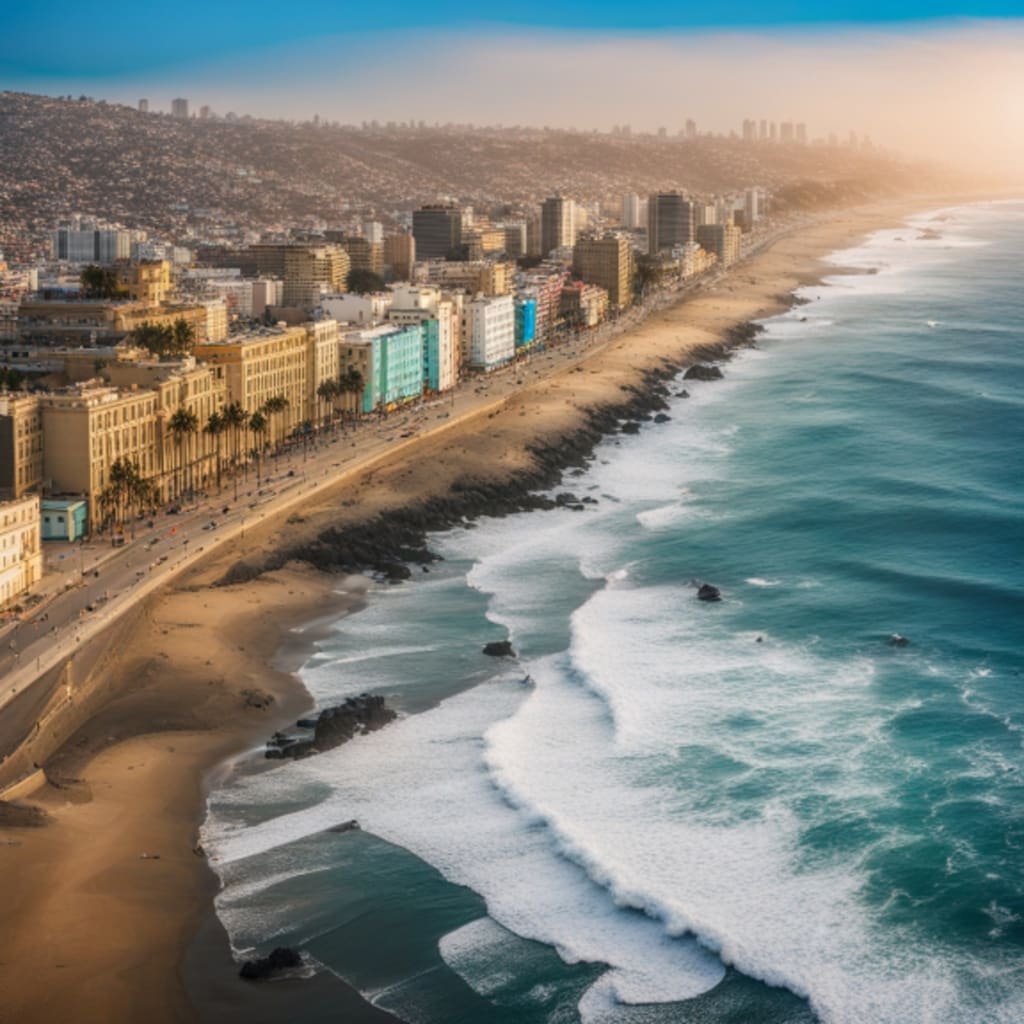
Ancient Beginnings
Before the Spanish arrived, the area now known as Lima was inhabited by indigenous cultures that date back thousands of years. The earliest known culture was the Lima culture, flourishing from around 100 AD to 650 AD, evidenced through archaeological sites like the Maranga and Garagay complexes. These early societies were adept at agriculture and fishing, utilizing the abundant natural resources around the valleys of the Rímac, Chillón, and Lurín rivers.
Following the decline of the Lima culture, the region saw the rise and fall of several other significant pre-Incan civilizations, including the Wari and Ichma cultures. These cultures developed intricate irrigation systems and monumental temples, laying the groundwork for the more extensive empire that was to follow.
Inca Empire and Conquest
By the 15th century, the region came under the control of the Inca Empire, the largest empire in pre-Columbian America. The Inca influence was primarily administrative, as the culture and political aspects of the earlier societies were largely maintained. The Incas, with their centralized governance from Cusco, constructed roads and furthered agricultural advancements in the area that later would become Lima.
However, the Inca's hold over the region was relatively short-lived. In 1532, Spanish conquistadores led by Francisco Pizarro arrived on the shores of Peru, marking the beginning of European colonization.
Spanish Colonial Era
Founding of the City
Lima was officially founded by Francisco Pizarro on January 18, 1535, under the name "Ciudad de los Reyes" (City of Kings). The location was chosen for its strategic position near the coast while being sufficiently distanced from the Pacific Ocean to avoid pirate attacks. Over time, the city became known simply as Lima, derived from the native name of the Rímac River.
Colonial Development
During the colonial era, Lima quickly rose to prominence as the wealthiest and most influential city in South America. It became the capital of the Viceroyalty of Peru, serving as a political, religious, and economic center. The city was a hub for trade between the colonies and Spain, with gold and silver flowing from the mines in the Andes.
Lima's urban landscape flourished with Spanish colonial architecture, including grand churches, convents, and mansions. The construction of the Cathedral of Lima began in 1535 and remains a significant historical site today.
Social and Cultural Aspects
Colonial Lima was a melting pot of cultures, bringing together indigenous people, Spanish settlers, African slaves, and immigrants from other parts of the world. This mixture led to a rich cultural tapestry that influenced language, religion, art, and cuisine. However, the colonial period was also marked by exploitation and social stratification, with indigenous peoples and African slaves facing harsh conditions.
Earthquakes and Reconstruction
Lima's development was frequently interrupted by powerful earthquakes, the most notable occurring in 1687 and 1746, the latter destroying much of the city. These disasters necessitated significant rebuilding efforts, shaping the city's architectural evolution.
Independence and Republican Era
The decline of Spanish power in the early 19th century led to a movement for independence throughout Latin America. In Lima, José de San Martín proclaimed Peru's independence from Spain on July 28, 1821, in the Plaza Mayor. Despite this declaration, fighting persisted until the decisive Battle of Ayacucho in 1824, which effectively ended Spanish rule in South America.
As the newly established Republic of Peru’s capital, Lima experienced considerable growth and transformation. The city modernized its infrastructure, expanding education and cultural institutions. However, political instability and economic challenges characterized much of the 19th century, as Peru navigated its newfound sovereignty.
20th Century and Modern Era
Urban Growth and Change
The 20th century witnessed dramatic changes in Lima as the city expanded rapidly. The population surged as people migrated from rural areas seeking better opportunities, spurring urbanization and the development of new districts. This rapid growth presented challenges, including housing shortages and the need for improved infrastructure.
Cultural and Political Landscape
Lima became a focal point for cultural and intellectual endeavors, with universities and arts gaining prominence. The city embraced a diverse cultural scene, blending traditional Peruvian elements with global influences.
Politically, Peru experienced tumultuous periods, including military coups and authoritarian regimes. Notable was the military government of Juan Velasco Alvarado in the late 1960s, which instituted agrarian reforms and nationalized industries in an attempt to address social inequalities.
Economic Development
Economic reforms in the 1990s, led by President Alberto Fujimori, aimed to stabilize the economy through liberalization and privatization, attracting foreign investment. While these reforms sparked economic growth, they also brought challenges, including corruption scandals that affected subsequent administrations.
Contemporary Lima
Today, Lima stands as a dynamic metropolis, home to over 10 million people. It serves as Peru's political, economic, and cultural heart. The city continues to face challenges typical of any large urban center—traffic congestion, pollution, and social inequalities—but it also thrives as a vibrant, cosmopolitan city.
Lima’s culinary scene has gained international recognition, with the city being dubbed the "Gastronomical Capital of the Americas." Restaurants such as Central and Maido are testament to Peru's rich culinary legacy, reflecting the blend of its diverse cultural roots.
The preservation of historical sites alongside modern skyscrapers exemplifies Lima’s blend of tradition and innovation. This juxtaposition is symbolized in landmarks such as Plaza Mayor, the historic center, and the thriving neighborhoods of Miraflores and Barranco, known for their nightlife and artistic atmosphere.
Conclusion
Lima, Peru, encapsulates a complex history of ancient civilizations, colonial splendor, struggles for independence, and modern transformation. Its history reflects the broader saga of a nation continually evolving, embracing its multicultural legacy while looking toward the future. For visitors and residents alike, Lima remains an ever-changing mosaic, offering insights into its past and promises of what lies ahead.
About the Creator
Julie O'Hara - Author, Poet and Spiritual Warrior
Thank you for reading my work. Feel free to contact me with your thoughts or if you want to chat. [email protected]
Keep reading
More stories from Julie O'Hara - Author, Poet and Spiritual Warrior and writers in Humans and other communities.
Diotima and Lilith
Diotima of Mantinea and Lilith serve as powerful feminine role models, each embodying distinct aspects of female strength, wisdom, and identity. While Diotima hails from ancient Greek philosophy and is celebrated for her intellectual teachings, Lilith emerges from Jewish mythology as a figure of independence and rebellion. Let’s explore the contrasts and parallels between these two fascinating characters.
By Julie O'Hara - Author, Poet and Spiritual Warrior4 months ago in Humans
The CEO of Everything
They say "jack of all trades, master of none," but they forgot to mention the part where the jack of all trades is also the camera woman, the makeup artist, and the person currently yelling at a tangled Wii microphone cable in a her own bathroom while recording herself singing and trying to make it look realistic and professional. (As professional as you can make it with nothing but a cell phone camera and a mic that doesn't work)
By Sara Wilson6 days ago in Humans
Neptune Turns Twin Flame Love Dreamy and Disorienting.
Neptune plays a powerful role in twin flame connections. This planet rules dreams, intuition, fantasy, and spiritual longing. When Neptune touches a twin flame bond, love feels magical. You feel connected beyond words. You sense destiny. You feel unity without effort.
By Wilson Igbasi2 days ago in Humans
🅼🅸🅳🅽🅸🅶🅷🆃 🆂🅽🅰🅲🅺🆂
"It's 10 in Tuscon! We all know what that means... It's Time for Midnight Snacks with your man, Gerald Gee! Ready to spend the night together? Me too! I'm full of snacks and can't wait to regurgitate them all back into your hungry ears. Crack a brew! Pop some corn! Anything to get ready for one hell of a show where the talk maybe cheap but the words cut deep...
By Lamar Wigginsa day ago in Fiction


Comments
There are no comments for this story
Be the first to respond and start the conversation.