
The Hidden Risks of Neglecting Your Oral Health
Poor Oral Hygiene Can Impact Your Overall Health
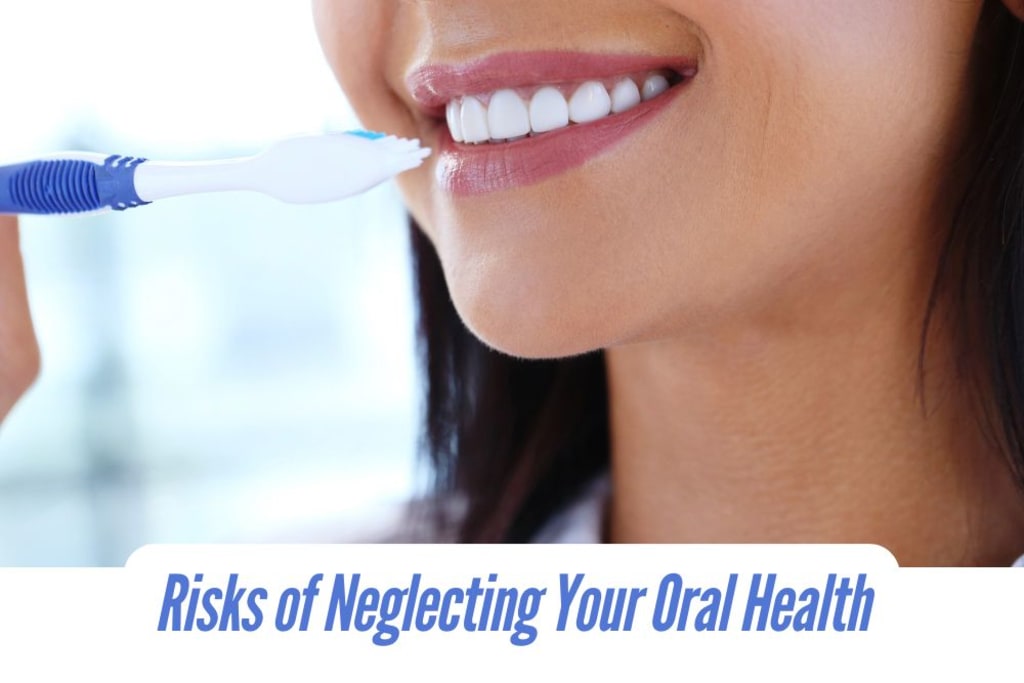
When thinking about maintaining a healthy lifestyle, oral health often takes a backseat. However, the condition of your mouth is intrinsically linked to your overall well-being. Neglecting oral hygiene can lead to more than just cavities — it can contribute to severe health issues, including heart disease and stroke.
The Connection Between Oral Health and Overall Health
Your mouth is more than just an introduction for food — it’s the entrance for your digestive and respiratory systems. Neglecting its health may be the starting point for problems that affect your entire body.
Plaque is a collection of adherent bacteria, food particles, and saliva on the surface of your teeth. It builds up and may eventually lead to:
- Cavities
- Tooth decay
- Chronic bad breath
- Tooth loss
- Periodontal disease (gum disease)
Key Takeaway:
Gum disease, if caught early, is reversible. However, untreated gum disease has been linked to more severe conditions like heart disease and stroke. Experts believe the connection lies in shared risk factors and inflammatory responses, although more research is ongoing.
Habits to Protect Your Oral Health
- Brush and Floss Regularly
Brushing twice a day for two minutes and flossing once a day helps reduce plaque buildup, preventing cavities and gum disease.
- Regular Dental Checkups
Routine visits to a dentist help identify potential issues before they become severe. Early intervention can save you from pain and extensive treatments.
- Healthy Diet
A balanced diet low in sugar and high in nutrients supports both oral and overall health.
- Quit Smoking and Excessive Drinking
Smoking and alcohol abuse can harm on your teeth and gums and be a source of further complications
Oral Health and Serious Medical Conditions
Recent studies indicate that unhealthy oral health is associated with systemic conditions such as:
- Heart Disease: Those with gum disease have an increased risk for heart diseases.
- Stroke: The same inflammatory mechanisms may relate gum disease to increased risks for stroke.
Although the mechanisms are still being studied, the relationship only emphasises that oral health must be given much attention as part of overall wellness.
Key Takeaways:
- Oral health is an integral part of overall health.
- Regular brushing, flossing, and dental visits are very important.
- Poor oral hygiene may lead to the most severe conditions, such as heart disease and stroke.
- Healthy diet and refraining from dangerous habits like smoking can keep a healthy mouth.
Final Thought
Your oral health is one of the aspects that can relate to your state of general wellness. Maintaining your dental health by doing just a little extra can keep away the dangers these risks bring within your body through your mouth and smile.
FAQ
Q: How Often Should I visit a dentist?
A: Recommended to visit once every six months for checkups and cleaning.
Q: Can gum diseases really cause problems with my heart?
A: While the exact connection is still being studied, research indicates a strong association between gum disease and heart disease due to shared risk factors and inflammation.
Q: Is it necessary to floss every day?
A: Yes, flossing once a day helps remove plaque and food particles from between your teeth, areas that brushing alone can’t reach.
Q: What foods are good for oral health?
A: Calcium, fiber, and low sugar foods such as leafy greens, nuts, and dairy products are good for your teeth and gums.
Q: How does smoking impact oral health?
A: Smoking increases the risk of gum disease, tooth decay, and oral cancer and slows down the healing process for gum and tissue damage.
About the Creator
Keep reading
More stories from Expert Dentist and writers in Humans and other communities.
How to Care for Your Dental Veneers After the Procedure
This review gives dental veneers the thumbs up as a perfect way of improving the smile, these are strong and can mimic the natural dentition. Nevertheless, in order to preserve them and have nice-looking windows for a long time they require the right care. In this guide, you will learn everything you need to know about dental veneer maintenance after your dental veneer treatment.
By Expert Dentistabout a year ago in Humans
Think for Me
"How do you calculate the circumference of a circle? Submit your answer when ready." [Pause] "Excellent! Every student was able to call up the answer electronically very quickly. If I, as a robot had feelings, I would express pride. You may break for lunch. Return to this cyber room in 45 minutes."
By Julie Lacksonen4 days ago in Humans


Comments
There are no comments for this story
Be the first to respond and start the conversation.