
The Hidden Dangers of Modern Food
What You Need to Know

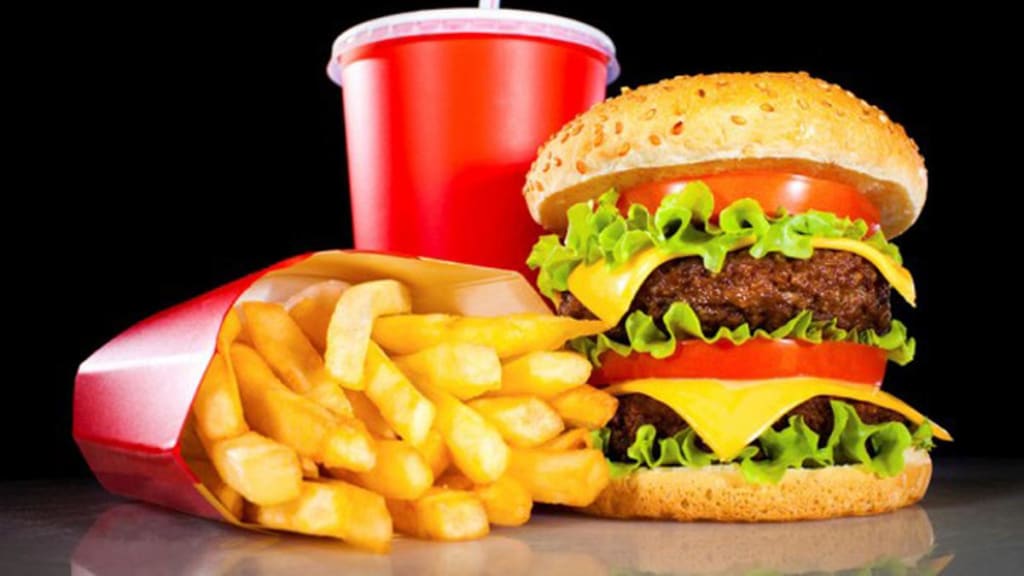
In our fast-paced world, the convenience of modern food often overshadows its hidden dangers. From the proliferation of processed foods to the widespread use of chemical additives, our diets have undergone a significant transformation over the past few decades. While these changes have made food more accessible and affordable, they also pose several health risks. Here’s a closer look at the hidden dangers of modern food and what you need to be aware of.
1. Processed Foods and Artificial Ingredients
Processed foods have become a staple in many households due to their convenience and long shelf life. However, these foods often contain artificial ingredients that can be harmful to our health:
- Preservatives: Common preservatives like nitrates and nitrites, found in processed meats, can form carcinogenic compounds in the body.
- Flavor Enhancers: Additives such as monosodium glutamate (MSG) are used to enhance taste but can cause headaches, nausea, and other adverse reactions in some people.
- Artificial Colors: Synthetic dyes used in many processed foods can trigger allergic reactions and have been linked to hyperactivity in children.
2. Excessive Sugar and Salt
Many modern food products are loaded with sugar and salt to improve taste and extend shelf life. The overconsumption of these substances is linked to numerous health problems:
- Sugar: High sugar intake contributes to obesity, type 2 diabetes, and heart disease. It also leads to dental issues such as cavities and tooth decay.
- Salt: Excessive salt consumption is a major factor in hypertension (high blood pressure), which increases the risk of stroke and heart disease.
3. Unhealthy Fats
The type of fat in our diet is crucial for our health. Unfortunately, many modern foods contain unhealthy fats that can lead to serious health issues:
- Trans Fats: Found in many fried and baked goods, trans fats increase the risk of heart disease by raising bad cholesterol (LDL) and lowering good cholesterol (HDL).
- Saturated Fats: While not as harmful as trans fats, excessive consumption of saturated fats can also raise cholesterol levels and contribute to heart disease.
4. Chemical Residues in Produce
Modern agricultural practices rely heavily on pesticides and herbicides to increase crop yields. These chemicals can leave residues on fruits and vegetables, posing health risks:
- Pesticides: Long-term exposure to pesticide residues has been linked to cancer, hormone disruption, and neurological disorders.
- Herbicides: Glyphosate, a widely used herbicide, has been classified as a probable human carcinogen by the World Health Organization.
5. Antibiotics and Hormones in Animal Products
To promote growth and prevent disease, livestock are often given antibiotics and hormones. This practice has several concerning implications:
- Antibiotic Resistance: The overuse of antibiotics in animals can lead to antibiotic-resistant bacteria, making infections in humans harder to treat.
- Hormones: Hormonal residues in meat and dairy products can disrupt the endocrine system, potentially leading to reproductive issues and developmental problems.
6. Genetically Modified Organisms (GMOs)
GMOs are engineered to improve crop yields and resistance to pests, but their safety remains a topic of debate:
- Health Concerns: Some studies suggest that GMOs could cause allergic reactions or have unintended health effects.
- Environmental Impact: The cultivation of GMO crops can reduce biodiversity and lead to the spread of genetically modified genes to non-GMO plants.
Conclusion
While modern food production techniques have made it possible to feed a growing global population, they come with significant health risks. Processed foods, artificial additives, excessive sugar and salt, unhealthy fats, chemical residues, antibiotics, hormones, and GMOs all contribute to a range of health problems. To protect your health, it’s important to be mindful of what you eat. Opt for whole, minimally processed foods, read labels carefully, and choose organic produce when possible. By making informed dietary choices, you can reduce your exposure to the hidden dangers of modern food and enjoy a healthier lifestyle. And there's a new way to gain a healthier life. You can learn here.
About the Creator
Daniel Perangin-angin
I am a husband with no kids. I like travelling.
Keep reading
More stories from Daniel Perangin-angin and writers in Humans and other communities.
Panic Attacks
A panic attack is an intense surge of fear or anxiety that can happen suddenly and without warning. It is often accompanied by a variety of physical and psychological symptoms, which can be incredibly distressing. Understanding panic attacks and learning how to manage them effectively is crucial for anyone affected by this condition.
By Daniel Perangin-angin2 years ago in Humans
Whiskey At Dusk
Guess the whiskey was more important to you in the end, wasn’t it? It was more than the well-being of your friends; more vital than showing up to the places you promised you would and could come to; more critical of a matter than fulfilling your damn responsibilities and getting the press off your back.
By Snarky Lisa4 days ago in Humans
Valentine’s Day Activities for Students That Actually Feel Fun
Valentine's Day at school does not have to be awkward, juvenile, or forced. When designed with purpose, it can become a day that pupils enjoy. On the Talk Gen Z platform, we prioritize activities that are sociable, creative, and authentic, rather than cringey or obsolete. Students desire opportunities to connect, express themselves, and feel included, whether they are single, dating, or simply here for the munchies.
By Relationship Guide7 days ago in Humans




Comments
There are no comments for this story
Be the first to respond and start the conversation.