
"The Hard Truth: Teeth and Opals – Unraveling the Fascinating Parallels".
The fact that teeth Are Almost As Hard As Opal
Introduction:
Teeth and opals, seemingly unrelated at first glance, share a surprising similarity—they are both marvels of nature characterized by their hardness. While teeth are essential for functions such as chewing and speech, opals captivate with their iridescent play of colors. This article explores the fascinating parallel between teeth and opals, delving into the science behind their hardness and the unique characteristics that make them stand out in the natural world.
The Hardness Scale:
Before delving into the specifics of teeth and opals, it's essential to understand the concept of hardness as defined by the Mohs scale. Developed by Friedrich Mohs in 1812, this scale quantifies the relative hardness of minerals based on their ability to scratch one another. Diamonds, the hardest known natural material, sit at the top of the scale with a rating of 10.
Teeth and their Hardness:
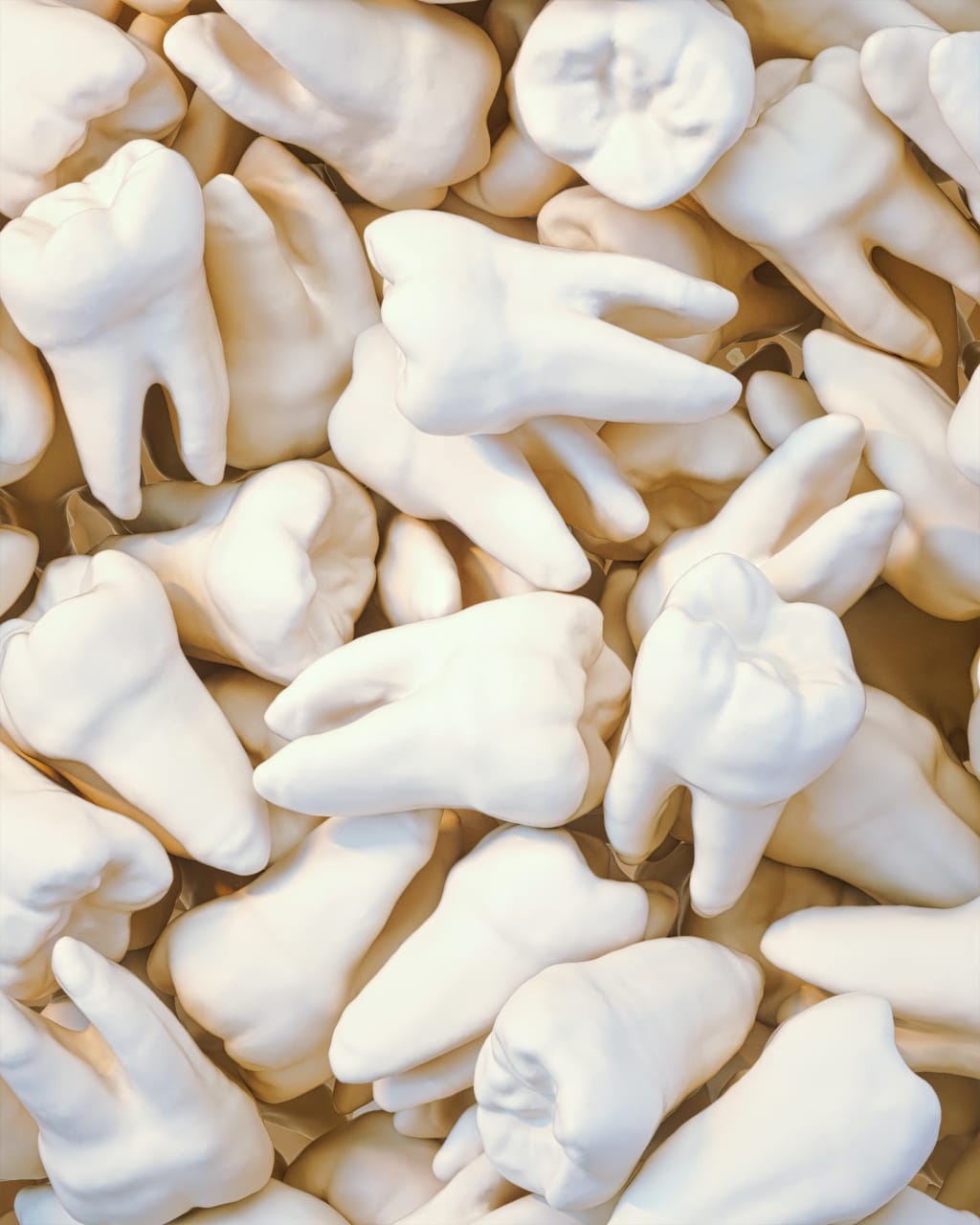
Human teeth, primarily composed of enamel, dentin, and cementum, are surprisingly hard structures. Enamel, the outermost layer of teeth, is the hardest substance in the human body and ranks high on the Mohs scale. Enamel primarily consists of hydroxyapatite crystals, calcium, and phosphate, creating a robust structure that can withstand the mechanical stresses associated with biting and chewing.
Dentin, located beneath the enamel, is somewhat softer than enamel but still ranks high on the hardness scale. The combination of enamel and dentin provides teeth with the necessary strength and resilience to endure the rigors of daily use.
The Remarkable Hardness of Opals:
Opals, the gemstones celebrated for their kaleidoscopic colors, also exhibit remarkable hardness. On the Mohs scale, opals typically score between 5.5 and 6.5, which is relatively high for a gemstone. This places opals in a range that is harder than many common materials but softer than some of the more renowned gemstones like diamonds or sapphires.
Opals derive their hardness from a unique composition. Comprising hydrated silica spheres, opals exhibit a three-dimensional array that diffracts light, resulting in the captivating play of colors known as opalescence. The hardness of opals contributes to their durability, allowing them to withstand daily wear when used in jewelry.
The Role of Hydration in Opals:
The presence of water molecules within the silica structure is a defining characteristic of opals. This hydration not only influences the gemstone's optical properties but also plays a role in its overall hardness. Opals are prone to dehydration over time, which can impact their appearance and, to some extent, their hardness. Understanding the interplay between hydration and hardness adds to the intrigue of these unique gemstones.
The Complexity of Tooth Hardness:
While the hardness of teeth may seem straightforward, it's essential to recognize the complex interplay of minerals and structures within them. Enamel, despite being exceptionally hard, is susceptible to erosion and decay caused by acids, bacteria, and other factors. Maintaining good oral hygiene practices is crucial for preserving the hardness and integrity of teeth throughout one's lifetime.
Tooth Hardness and Evolutionary Adaptations:
The hardness of teeth is not a random occurrence but is shaped by millions of years of evolutionary adaptations. In the animal kingdom, teeth vary widely in hardness and structure based on the dietary habits and lifestyles of different species. Carnivores typically have sharper and harder teeth for tearing through flesh, while herbivores have specialized teeth for grinding plant material.
Human teeth, reflecting the omnivorous nature of our diet, showcase a combination of tooth types, each adapted to specific functions. The hardness of teeth is a testament to the evolutionary success of a species with a diverse and adaptable diet.
Cultural Significance of Teeth and Opals:
Beyond their biological and geological significance, both teeth and opals hold cultural importance in various societies. Teeth, often associated with oral health and hygiene, have symbolic value in different cultures, representing strength, vitality, and even social status. Opals, with their mystical iridescence, have been revered throughout history, carrying associations with luck, magic, and beauty in different cultures.
Conclusion:
The surprising parallel between teeth and opals in terms of hardness sheds light on the intricate wonders of the natural world. Whether we marvel at the resilience of our own teeth or the ethereal beauty of opals, both exemplify the incredible diversity and complexity of materials shaped by evolution and geological processes. The hardness of teeth and opals invites us to explore the intersection of biology and geology, appreciating the unique qualities that make each a fascinating marvel in its own right.
About the Creator
Keep reading
More stories from fatima zahra ajankar and writers in Humans and other communities.
"The Foundation of Mobility: Unraveling the Significance of the Quarter of Bones in Your Feet".
Introduction: In the complex framework of the human skeletal system, the feet often go unnoticed despite being the literal foundation of our mobility. Remarkably, a quarter of the bones in the human body are located in the feet. This article delves into the intricacies of foot anatomy, exploring the roles these bones play, the remarkable structure of the arches, and the profound impact our feet have on overall health and well-being.
By fatima zahra ajankar2 years ago in Humans
Autonomy Is The Real Privilege
Good morning, freedom-seekers! Today we’re gonna be looking at autonomy. A strange word, I know; one many would probably look at blankly and run away from on sight. We’re gonna figure out what it actually means, consider how it’s achieved, and decipher just how deeply most of us are tangled up in dependence without realising it.
By That ‘Freedom’ Guy6 days ago in Humans
A Short Love Story That Still Can’t Be Forgotten
How one brief moment changed my life forever Sometimes, the most unforgettable love stories aren’t the ones that last years. Sometimes, they’re the ones that last just long enough to leave a mark on your soul.
By Ahmed aldeabellaabout 13 hours ago in Humans




Comments (1)
This was new information to me. Thank you so much for sharing this!