

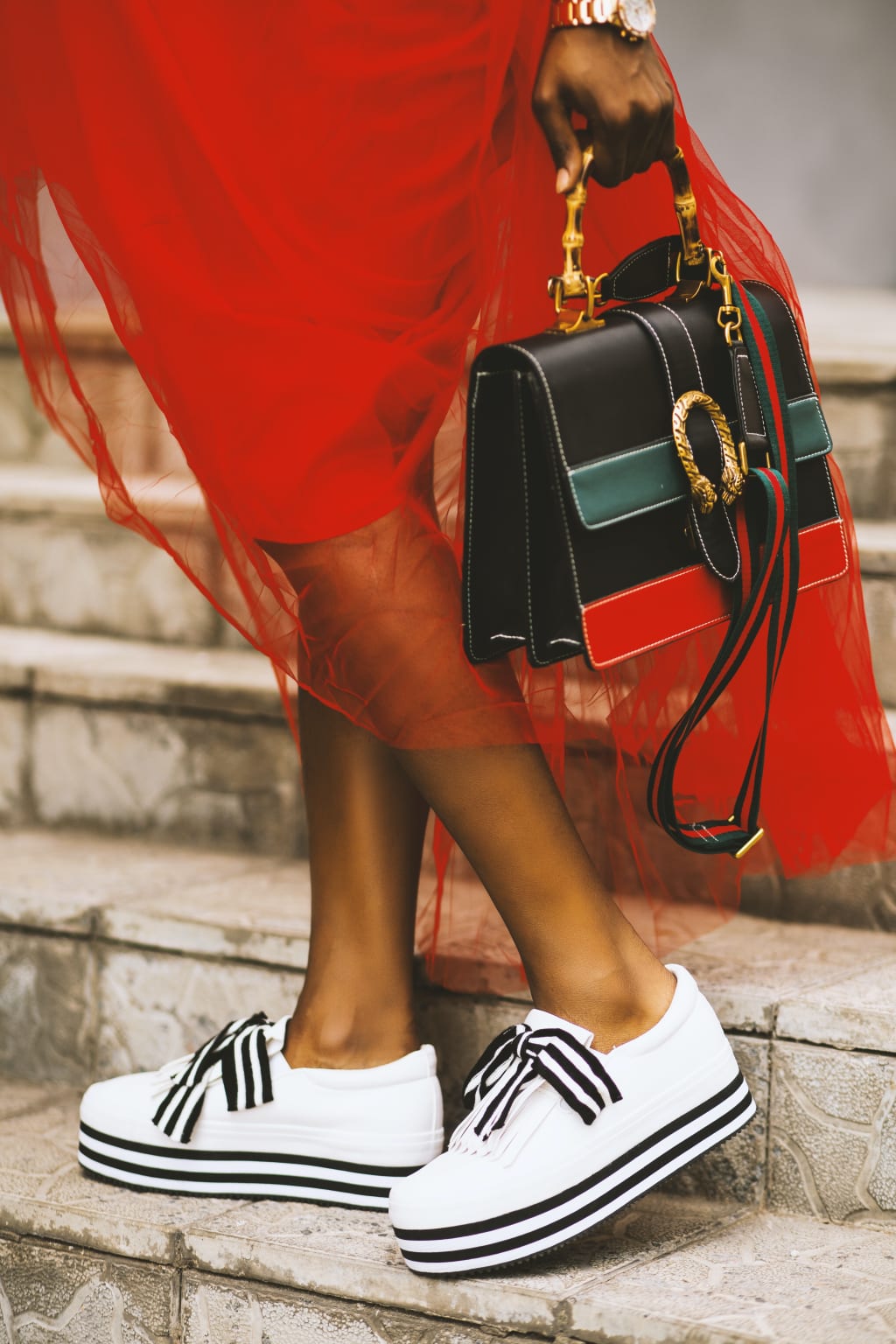
Women's handbag Story:
Women's handbags have always been an essential accessory, not only for their functionality but also for their style and fashion. There are many stories and legends surrounding women's handbags throughout history. Here are a few examples:
The Hermes Birkin bag: This iconic handbag was named after actress and singer Jane Birkin. The story goes that she was sitting next to the CEO of Hermes on a flight and complained about how she couldn't find a bag that was both stylish and practical. The CEO then designed the Birkin bag specifically for her, and it has since become one of the most coveted and expensive handbags in the world.
The Chanel 2.55 bag: This classic handbag was designed by Coco Chanel in 1955 and has become a timeless fashion accessory. The story goes that Coco Chanel was inspired to create the bag after observing the straps on soldiers' bags, and she wanted a handbag that was both functional and fashionable.
The Longchamp Le Pliage bag: This popular handbag was designed in 1993 and has since become a favorite among women worldwide. The story goes that the designer Philippe Cassegrain was inspired by the Japanese art of origami and wanted to create a bag that was both lightweight and durable.
The Fendi Baguette bag: This iconic handbag was designed by Silvia Venturini Fendi in 1997 and became famous after it was featured in the TV series "Sex and the City." The story goes that Silvia Fendi was inspired by the French bread baguette and wanted to create a handbag that was small and easy to carry under the arm.
Overall, women's handbags have a rich history and many fascinating stories surrounding them. From the Birkin to the Chanel 2.55, these handbags have become icons of fashion and style, and they continue to be an essential accessory for women today.

Why women's mostly using handbag?
Women use handbags for a variety of reasons. Firstly, handbags provide a practical way for women to carry their daily essentials such as a wallet, phone, keys, makeup, and other personal items. They keep these items organized and easily accessible, making it convenient for women to go about their day.
Secondly, handbags are a fashion statement and can complete a woman's outfit. Different styles, sizes, and colors of handbags can be chosen to complement an outfit or add a pop of color to an otherwise neutral look. A handbag can also reflect a woman's personal style and taste.
Thirdly, carrying a handbag can be seen as a status symbol. High-end designer handbags can be expensive and may convey a sense of wealth or luxury.
The first hand bag in the world:
The earliest known handbag dates back to the 14th century, when men and women carried small pouches or purses attached to their belts. These pouches were used to carry personal items such as coins, keys, and other small items.
In the 16th century, handbags became more fashionable and were carried by women as a way to store their personal belongings. These early handbags were often made from luxurious fabrics and adorned with embroidery, jewels, and other decorative elements.
By the 19th century, handbags had evolved to include different styles and designs, including the clutch, the tote, and the shoulder bag. With the rise of the industrial revolution and mass production, handbags became more widely available and accessible to people from all walks of life.
Today, handbags are an essential accessory for many women and men, and the industry continues to evolve with new designs, materials, and technologies.
About the Creator
Sham gowtham
This is Gowtham. I am a content creator. I want to look out at the world in my own way. So I invite all of you to join my world
Keep reading
More stories from Sham gowtham and writers in Humans and other communities.
Thief In The Night
To the thief in the night that took and replicated what once was mine: Honestly, I feel kind of bad for you. It’s funny, because we hardly know each other. I only know of you through the magazines you’ve written and the broadcasts you have televised in the past — as well as through the public mentions of you from your show business connections there.
By Snarky Lisa6 days ago in Humans


Comments
There are no comments for this story
Be the first to respond and start the conversation.