
The Green-Eyed Monster: How Jealousy Shapes and Strains Our Relationships
Understanding the Hidden Costs of Jealousy and How to Overcome It for Healthier Connections

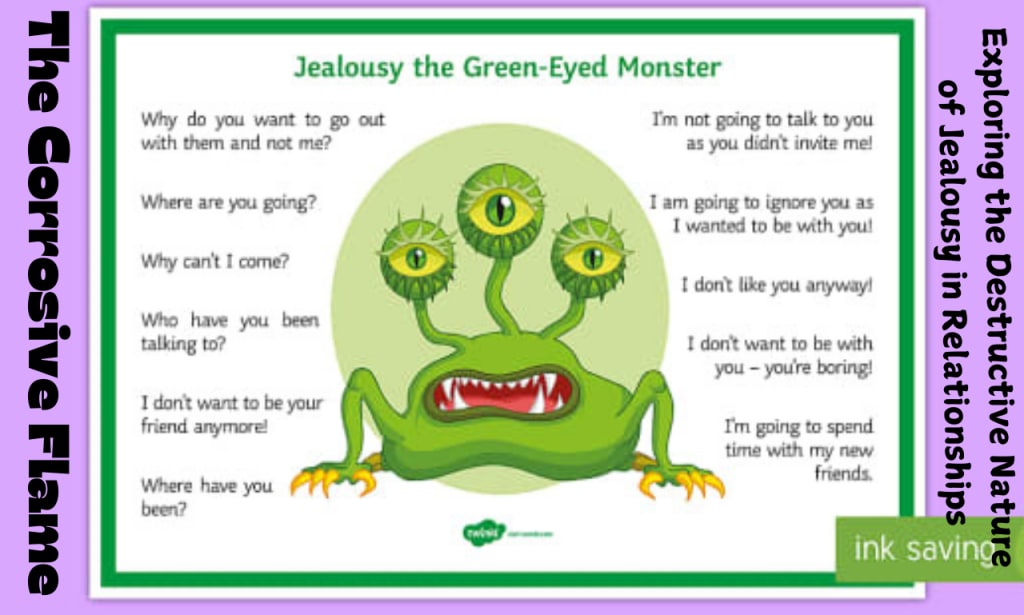
Jealousy is an emotion as old as time. It has inspired literature, fueled conflicts, and even led to the downfall of great relationships. Whether it’s the pang of envy in a romantic relationship, the resentment toward a friend’s success, or the insecurity felt in a professional setting, jealousy is a powerful force that shapes the way we connect with others. But how exactly does it impact our relationships—and more importantly, can we learn to manage it before it destroys what we hold dear?
The Double-Edged Sword of Jealousy
Jealousy is often perceived as a negative emotion, but at its core, it stems from a deep desire for security and belonging. In small doses, it can serve as a motivator—encouraging self-improvement or reaffirming emotional attachment. However, when left unchecked, jealousy can morph into obsession, control, and even sabotage.
Take Sarah and Alex, for example. They were a couple deeply in love but plagued by Sarah’s jealousy. Having been betrayed in a past relationship, Sarah carried an underlying fear of abandonment. Whenever Alex spent time with female friends, her insecurities flared up. At first, it was subtle—questioning his whereabouts or feeling a slight edge in her voice when he mentioned a female colleague. But over time, trust eroded. Accusations replaced affection, and Alex began to feel suffocated. The very love Sarah wanted to protect became strained under the weight of her jealousy.
Friendships can also fall victim to jealousy. When David landed his dream job, his best friend, Mark, couldn’t shake off the envy. Instead of celebrating David’s success, Mark found himself resentful, making passive-aggressive remarks and distancing himself. His jealousy turned admiration into bitterness, jeopardizing a friendship that had once been a source of joy.
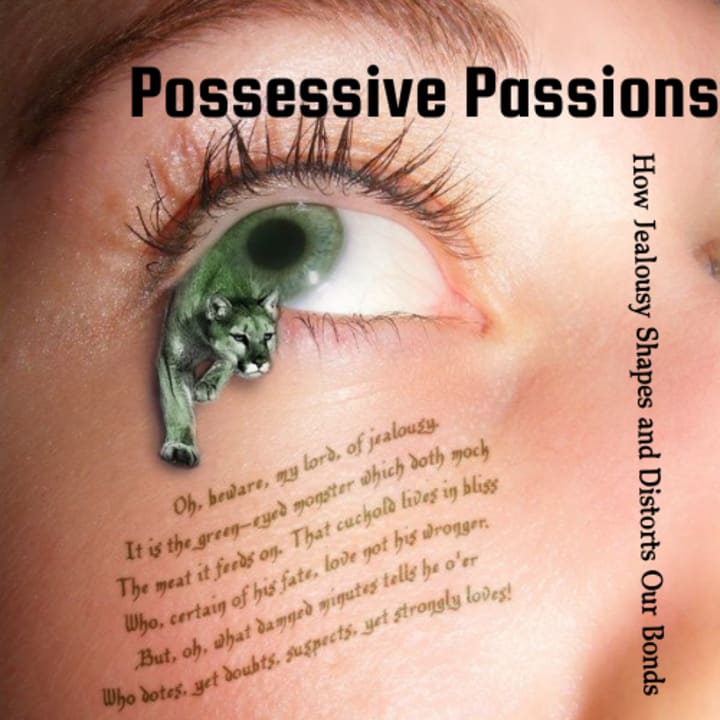
The Psychological Toll of Jealousy
Jealousy doesn’t just harm relationships; it also takes a heavy toll on mental health. Studies have shown that persistent jealousy can lead to increased anxiety, depression, and even physical symptoms like insomnia and high blood pressure. When someone is consumed by jealousy, their mind is in a constant state of stress—analyzing, overthinking, and imagining worst-case scenarios.
This emotional turmoil can lead to destructive behaviors, such as excessive control, manipulation, or withdrawal. In extreme cases, jealousy can push people to engage in toxic patterns—checking a partner’s phone, stalking social media, or even resorting to revenge tactics. These actions not only damage relationships but also erode one’s self-worth and emotional stability.
Overcoming Jealousy: Steps Toward Healing
While jealousy is a natural emotion, it doesn’t have to control our lives. Here are some ways to manage and overcome jealousy before it causes irreparable damage:
1. Acknowledge and Understand It
The first step in managing jealousy is recognizing its presence. Instead of suppressing or denying it, take a moment to reflect on its root cause. Are you feeling insecure? Do you fear losing someone? Understanding why you feel jealous can help you address the underlying issue.
2. Communicate Openly
Jealousy thrives in silence and assumptions. Instead of letting it fester, have honest conversations with the people involved. Express your feelings without blaming or accusing. For example, instead of saying, “You never care about me,” try, “I feel insecure when I see you spending a lot of time with others.”
3. Build Self-Confidence
Often, jealousy is rooted in personal insecurities. Investing in self-growth, setting personal goals, and focusing on your strengths can help build confidence. When you feel secure in yourself, external factors are less likely to trigger jealousy.
4. Practice Gratitude
Instead of comparing yourself to others, focus on what you have. Keeping a gratitude journal or consciously appreciating your blessings can shift your mindset from scarcity to abundance.
5. Seek Professional Help
If jealousy is severely impacting your relationships, therapy can be a valuable tool. A professional can help identify deeper emotional wounds and provide strategies to manage jealousy in a healthy way.
A Future Beyond Jealousy
Jealousy may be a natural human emotion, but it doesn’t have to dictate our relationships. Whether in love, friendship, or work, learning to manage jealousy allows us to build stronger, more fulfilling connections. Instead of letting fear and insecurity erode our bonds, we can transform jealousy into an opportunity for growth, trust, and deeper understanding.
After all, the strongest relationships aren’t those without challenges—they’re the ones where both parties are willing to navigate their emotions together, with honesty and compassion.
About the Creator
mureed hussain
Hi, I’m a creative writer passionate about health & wellness, love, longevity, aging, and pet care. With extensive Quora experience, I craft engaging posts, thoughtful questions, and insightful answers.
Find me at>>[email protected]
Keep reading
More stories from mureed hussain and writers in Humans and other communities.
An American Tail: A Heartwarming Journey of Hope, Family, and Perseverance
A Journey of Dreams and Resilience Released in 1986, An American Tail is a masterpiece of animated storytelling that has left an indelible mark on the hearts of audiences worldwide. Directed by Don Bluth and produced by Steven Spielberg, this deeply emotional tale captures the struggles and triumphs of immigration through the eyes of a mouse family seeking a better life in America. With its poignant narrative, striking animation, and unforgettable music, the film transcends its genre to become a universal story of hope, perseverance, and love.
By mureed hussain12 months ago in Humans
How to Succeed at the Benson Directory®
Congratulations and welcome to the Benson Directory® employee #22391! As our newest call handler, you will have the privilege of speaking with dozens of unique and interesting people on a daily basis as well as the opportunity to earn bonuses for high performance. Contained within this handbook you will find a set of ease to follow instructions designed to help you settle in to your new role and begin paving the way to success.
By S. A. Crawford2 days ago in Fiction




Comments (1)
Great advice to stem that green-eyed monster, Mureed.