
The Good, Bad, and Ugly of Electric Vehicles
Pros and Cons about EV.
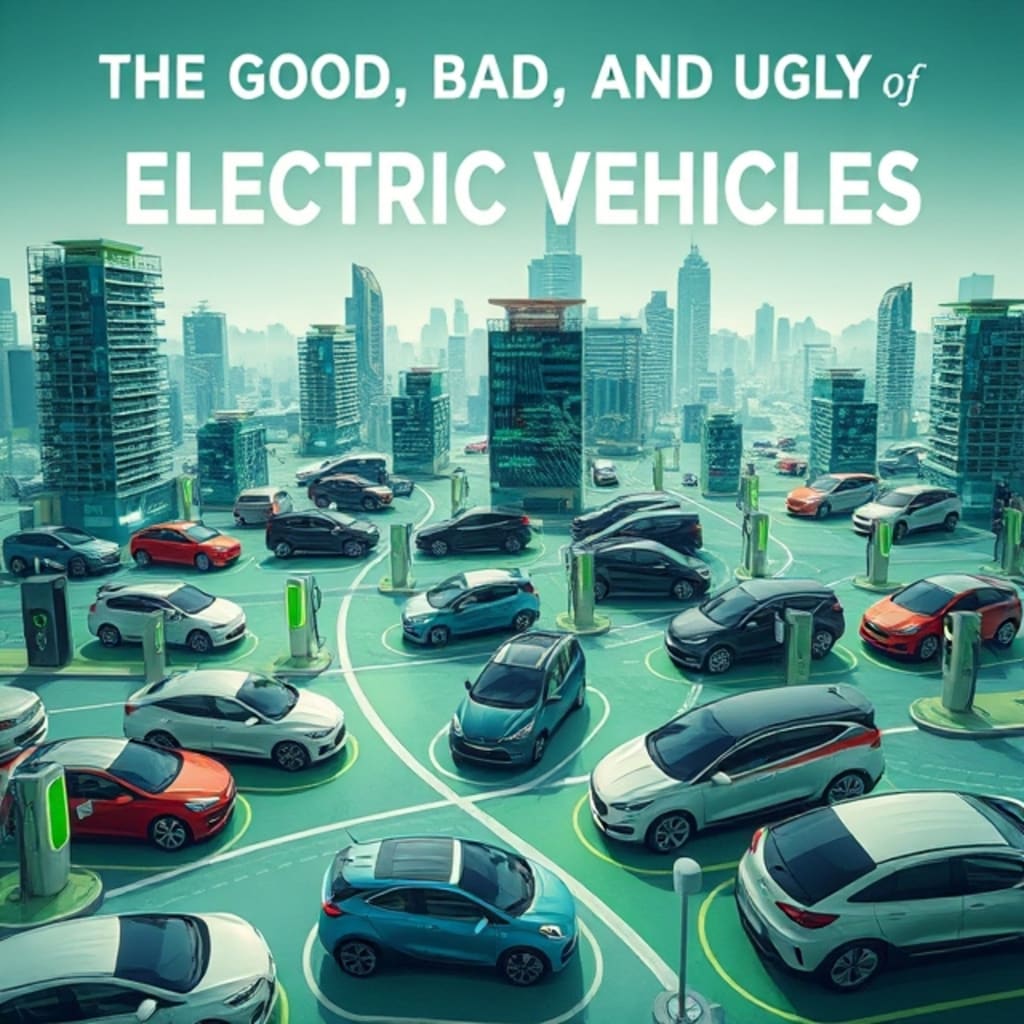
The world of electric vehicles is very exciting. EVs have changed how we think about cars and the planet. This article talks about the good, bad, and ugly sides of electric cars.
It looks at how people feel about them, new tech, and what's happening in the market. EVs are good for the planet and easy to use. But, there are also challenges like finding places to charge and worries about how far they can go.
These points help us see the full picture of EVs. They give us useful info to help us decide if they're right for us.

Key Takeaways
Electric vehicles (EVs) emit no CO2 or other pollutants at point of use.
EVs can run almost 400 miles on a full charge.
Most mid-range EV models are priced around £26,000.
Entry-level EVs typically have a range of 130 to 150 miles under optimal weather conditions.
The UK will need to increase energy production by an additional 88 TWh to accommodate future EV demand.
Advantages of Electric Vehicles
Electric vehicles (EVs) are changing the car world. They offer simplicity in EV driving and lower costs for upkeep. Plus, they're good for the planet. Let's explore these great points.
Simplicity in Driving
Driving an EV is easy. They have fewer parts and often an automatic transmission. This makes driving smooth and simple.
EVs also have regenerative braking and instant torque. This makes the ride fun and responsive.
Lower Maintenance Costs
EVs are cheaper to keep up. They don't need oil changes or exhaust systems. This saves money over time.
Experts say EVs cost less to maintain than cars with engines. This is a big reason people choose EVs.
Environmental Benefits
EVs are great for the planet. They don't pollute, which helps everyone's health. In places with clean energy, EVs are even better.
New York wants to use only green energy by 2050. EVs can help make this happen.
The Bipartisan Infrastructure Law gives $5 billion for EV charging. This will help more people use EVs. It's good for the planet and the economy.
Disadvantages of Electric Vehicles
Electric vehicles (EVs) have many good points. But, they also have some big downsides. These include public charging problems and range anxiety, which affect how people use them.
Public Charging Issues
One big EV charging problem is finding places to charge. There are only a few EVs on U.S. roads. But, the number of charging spots is still growing slowly.
Even though many EVs are sold each year, there aren't enough charging spots. This makes it hard for people to charge their cars. It stops others from buying EVs.
EVs are also very expensive. They cost between $60,000 to $80,000. This makes them hard for most people to afford.
Range Anxiety
Another big worry is range anxiety in electric cars. Drivers are scared they'll run out of power before finding a charger. The U.S. electric grid is mostly powered by fossil fuels.
This makes it hard to switch to clean energy for EVs. It's a big problem worldwide. It makes it hard to find reliable energy for electric cars.
People are unsure about using EVs. They don't know how to manage their range and charge them right. Until charging spots get better, these problems will keep EVs from being more popular.
Electric Vehicle Market Trends
The electric vehicle market is changing fast. People are learning more about taking care of the planet. They are also seeing new tech in cars.
In 2020, Norway sold a lot of electric cars. They made up 54% of all new cars sold. This shows a big move towards electric cars worldwide.
General Motors said they will stop making cars that use gas or diesel by 2035. This is a big step towards electric cars.
Places like California and Quebec want to stop selling gas cars by 2035. The UK and some EU countries want to do it by 2030. This means electric cars will be more popular soon.
Tesla did very well in 2020. They sold 500,000 electric cars. They are still doing great, with 185,000 cars sold in the first three months of 2021.
Electric cars are getting cheaper. The US Department of Energy says battery costs have dropped by 80% since 2008. This makes electric cars more affordable.
Using electric cars is also good for your wallet. For example, charging an electric car in Ontario costs about $6. But, filling up a gas SUV costs around $70 for the same distance.
Electric cars are getting better too. They turn about 90% of battery energy into movement. Gas cars only use about 40% of gasoline energy for movement.
Electric cars can now go up to 300 miles on a charge. This range changes with the season. Charging times are also getting shorter, thanks to fast chargers.
In short, electric cars are looking good for the future. With new tech and big car companies on board, electric cars will keep growing. This will help us have a cleaner and more efficient future.
Impact on Air Quality
Electric vehicles (EVs) help a lot with air quality. They cut down on harmful emissions from cars. This is very important in busy cities where air gets polluted easily.
The environmental benefits of electric cars are big. Electric motors use more energy to move than old cars. This means less pollution and better air.
In cities like New York and Los Angeles, air quality is a big problem. EVs could make a big difference. For example, in Houston, EVs could save 157 lives each month.
Even in places like Poland, where coal is common, EVs are better. They make less carbon than old cars. As more countries use clean energy, EVs will get even better for the planet.
Region Potential Impact Health Savings Reduction in Carbon Emissions
Houston 157 deaths prevented/month $51M-$249M daily Not specified
Poland 25% less carbon emissions Not specified Significant
Switching to electric cars is a big step for cleaner air. As we get more EVs, we'll see even more benefits for our health and planet.
Cost of Entry-Level Electric Vehicles
The cost of electric cars has changed a lot in recent years. They are now more affordable for many people. This is thanks to better technology and lower EV battery costs. Also, government incentives help make them cheaper.
Batteries and Their Costs
The price of EV batteries is a big factor in electric car costs. For example, the 2024 Chevrolet Equinox EV starts at $34,995. This is because EV battery costs have gone down.
The Fisker Pear costs $29,900. It has a bigger battery for a range of 320 miles.
Here's a quick comparison of some entry-level EVs and their battery range:
Model Price Range (EPA-rated) Charge Time
Chevy Equinox EV $34,995 300 miles 80% in 35 mins
Fiat 500e --- 149 miles 80% in 35 mins
Mini Cooper SE $31,895 114 miles 80% in 35 mins
Volvo EX30 $36,245 275 miles --- mins
Government Incentives
Government incentives have helped make electric cars more popular. For example, the Chevy Equinox EV might get a $7,500 tax credit. These incentives make electric cars cheaper for more people.
Over 200,000 people are interested in affordable EVs like the Chevy Equinox EV. As EV battery costs go down, and incentives help, more people can buy electric cars.
Charging Infrastructure
Building a strong charging network is key for electric cars. We need more electric vehicle charging stations for everyone. This will help solve problems like long waits and broken chargers.
On a trip from South Wales to the Lake District, we faced issues. Half the chargers didn't work right. Waiting over 20 minutes was common, making our trip slow.

Scenario Cost Charge/Fill-Up Time
Fully charged 64kWh battery (domestic 7kW charger) £5-7 Several hours
80% charge (50kW rapid charger) £10-15 Just over an hour
Full tank of fossil fuel £60 Minutes
We must fix the charging problems. New tech like solar cars is coming. But for now, we need more electric vehicle charging stations.
Also, we need to make paying for charging easier. At eight spots, only one let us pay with a card tap. The others needed apps or accounts.
As cities grow, we must keep up with EV infrastructure development. New ideas like solar roads are helping. They make charging easier and more accessible for everyone.
Battery Technology Advancements
The electric vehicle market is growing fast. Countries like Norway plan to stop selling cars that burn gas by 2025. The UK, Canada, and Singapore will do the same by 2030 or 2035. This means we need better electric car batteries.
Lithium iron phosphate (LFP) batteries are a big step forward. In 2021, 42% of EVs in China used LFP batteries. Tesla said almost half of its sales in the first quarter were LFP.
LFP batteries are safe, last a long time, and don't need rare minerals. Tesla's factories in China and Germany will make more cars. The German factory can make 125,000 cars every quarter.
More cars mean more demand. The U.S. sold 630,000 electric vehicles in 2021. It's now the third-largest market.
Companies are working on making batteries charge faster. Standard charging takes 4 to 11 hours. But fast chargers can fill a battery in under 4 hours.
Rapid chargers can add 60 to 200 miles of range in 20 to 30 minutes. This makes charging faster and more convenient.
For example, Tesla's Model 3 uses about 27 kWh per 100 miles. It's very efficient. Driving costs are low, around $2.70 per 100 miles in places like Oregon.
This is much cheaper than gas cars. These improvements make electric cars more appealing for everyone.
These changes in EV battery technology are helping us move towards a greener future. Electric vehicles are becoming more popular worldwide.
Driving Experience with Electric Vehicles
Driving an electric vehicle is fun and unique. We'll look at how EVs perform, how fast they go, how comfy they are, and how quiet they are.
Performance and Speed
Electric cars start moving fast and feel smooth. They can go from 0 to 60 mph in just a few seconds. For example, the Tesla Model S can do it in 2.3 seconds.
This makes driving feel quick and easy. Electric cars don't have the slow start of gas cars. They move fast and handle well.
Comfort and Noise Levels
Electric cars are also very comfy. They are very quiet, which makes them peaceful to ride in. This quietness makes long trips feel better.
EVs also have cool features for comfort. They have adjustable seats and great climate control. Plus, they are stable and smooth to ride in.
Electric cars are a great choice. They are fast and comfy. The EV driving experience is exciting and good for many drivers.
Aspect Electric Vehicles Internal Combustion Engine Vehicles
Acceleration Instant torque, rapid acceleration (0-60 mph in 2.3 seconds for some models) Slower, dependent on gears
Noise Levels Minimal, almost silent Noticeable engine noise
Comfort Features Advanced ergonomics, climate control, lower center of gravity Basic features, higher center of gravity
Environmental concerns related to Battery Production
The rise of electric vehicles (EVs) has made us think about the environmental impact of EV batteries. Moving from gas cars to electric ones is good for the air. But, making EV batteries is a big challenge.
Getting raw materials is a big problem. The U.S. has only a small amount of lithium, but no mines. The DRC mines most of the world's cobalt, where kids work in bad conditions.
Companies are now working to make battery production better. They plan to spend a lot of money to make EVs in the U.S. Tesla wants to use no cobalt in their batteries soon. GM has already made batteries that use much less cobalt.
Recycling EV batteries is also important. By 2040, we'll need to recycle a lot of batteries. But, it's hard to recycle lithium-ion batteries like old ones. Still, new ways to recycle are being developed.
The U.S. is giving money to help make EV batteries. China is also working on its own battery supply. This shows we're all trying to make things better.
We need to keep watching how EV batteries affect the environment. Renewable energy is growing fast. This is good for making batteries better and for our planet.
Case Studies: Real-World Electric Vehicle Use
Electric vehicles (EVs) have changed the car world. They work well for daily drives and long trips. Let's look at how EVs are used in real life.
Daily Commutes
Many people use EVs for their daily drive. They save money on gas and don't pollute. The Tesla Model 3 is a top pick for daily use.
It goes about 263 miles on one charge. This is enough for most people's daily drive. EVs don't make carbon dioxide, unlike gas cars.
Long-Distance Travels
Traveling long distances in EVs is getting easier. New battery tech lets them go farther. The Ultium Cells project is a big step forward.
The Tesla Model S Plaid goes 390 miles on one charge. Tesla's Supercharger network makes charging fast. This makes long trips in EVs possible.
Aspect Traditional Vehicles Electric Vehicles
Daily Commute Range 220 miles per tank 300 miles per charge
Emissions 4.6 metric tons of CO2 per year Zero emissions
Fuel Cost $1,500 annually $450 annually
Long-Distance Suitability Widely suitable Increasingly suitable
Infrastructure Extensive Expanding rapidly
Maintenance High Low
The Good, the Bad, and the Ugly of Electric Vehicles (Summary)
Let's look at the summary of electric vehicle pros and cons. EVs have many good points. They are easy to drive, cost less to maintain, and are better for the environment. For example, the Audi e-tron Q4 50 Sportback uses only 17.5 kWh of power for every 100 km driven over 71,500 km. This shows EVs can be very efficient.
But, there are also some bad points. One big issue is the lack of public charging spots. Sometimes, the info on charging stations is wrong, and paying can be hard. Also, people worry about running out of power, especially when going up mountains.
EVs also use more power when it's cold. Sometimes, they use over 30 kWh for every 100 km. This makes them less efficient in winter. Plus, they need regular care, just like gas cars. Owners say they need to check things like belts and oil more often.
Aspect Advantages Disadvantages
Driving Experience Quiet, smooth, and faster acceleration Increased consumption in cold and extreme conditions
Maintenance Lower routine maintenance costs Needs more frequent checks for certain parts
Charging Infrastructure Developing rapidly across regions Inaccurate station information and payment issues
Environmental Impact Reduction in emissions Battery production and disposal concerns
In the end, it's all about finding a balance. EVs have a lot of promise but also face challenges. They could change how we travel, but we need to work on the problems first.
Comparing Electric Vehicles with Traditional Cars
The car world is changing fast. People are now choosing between EVs and traditional cars. Things like how efficient EVs are and their cost are key.
Efficiency
EVs are way more efficient than old cars. They use over 77% of the electricity from the grid. Old cars only use 12-30% of the gasoline's energy.
EVs also save a lot of money. They cost about $600 a year to charge. This means it's just $0.04 per kilometer. Old cars cost around $2,160 a year, or $0.14 per kilometer.
Costs
EVs might cost more at first. For example, the Tesla Model 3 is about $65,000. But, they save money in the long run.
For example, EVs save about $1,913 a year compared to old cars. Even if a new Toyota Corolla or Mazda CX-5 costs less, EVs are cheaper over time. This is because EVs need less maintenance and fuel.
Future of Electric Vehicles in the United States
The future of EVs in the USA is bright. It's because of many trends and new tech. The shift from old cars to electric ones is happening fast.
Battery tech is getting better, and costs are going down. EV batteries don't lose much power even after a lot of miles. They might even last longer than the car itself.
There's a big push for better range and more charging spots. Cars like the Tesla Cybertruck can go 500 miles on one charge. The Audi A6 E-Tron can charge to 80% in just 25 minutes.
EVs are also way more efficient than old cars. They use about 80% of battery power, while old cars use only 20%. This means EVs could soon be the norm.
EVs are getting cheaper too. As battery prices drop, more people can buy them. They also cost less to run because they use electricity and have fewer parts.
Big car companies are ready for the EV market. Kia plans to launch six new electric cars by 2026. This shows they're serious about EVs.
Recycling batteries is key to making EVs better for the planet. It helps keep the environment clean by reducing waste and getting metals back.
The future of EVs in the USA depends on more investment and tech. As these trends grow, EVs will change how we travel. They'll be greener, cheaper, and better than old cars.
Conclusion
Electric vehicles (EVs) are changing the world in big ways. They help the environment, are easy to keep up, and make driving better. But, finding places to charge and worrying about how far they can go are big problems.
Some places have lots of EV chargers, while others have very few. This shows how different the country is. Bad things can happen to EVs, like not working in cold weather or catching fire.
Money and what people think also affect EVs. Even though they were popular in the early 2000s, sales dropped during tough times. But, sales have been getting better again. By 2045, we might only use EVs, which is very exciting.
In short, EVs are very good for us and the planet. They are making cars better and helping the environment. As they keep getting better, EVs will be key to our future.
FAQ
What are the main advantages of electric vehicles?
Electric vehicles (EVs) are great because they cost less to maintain. They are easy to drive and good for the planet. This is because they don't pollute as much.
What are some common drawbacks of electric vehicles?
EVs have some downsides. Finding places to charge them can be hard. People worry their batteries will run out before they find a charger.
How is the electric vehicle market trending?
The market for EVs is booming. More people want them, and they're getting better. This is because of the environment and better batteries.
What impact do electric vehicles have on air quality?
EVs make the air cleaner. They don't have a tailpipe, so they don't pollute like gas cars do. This makes the air healthier to breathe.
What is the cost of entry-level electric vehicles?
Starting EVs cost more than regular cars at first. But, they're cheaper to run. Plus, there are government perks that help make them more affordable.
Are there advancements in battery technology for electric vehicles?
Yes, battery tech for EVs is getting better. Batteries last longer, charge faster, and hold more energy. This makes EVs better and more efficient.
How does the driving experience with electric vehicles compare to traditional cars?
EVs drive smoothly and fast. They're quiet because they don't have a loud engine. This makes driving them a pleasure.
What are the environmental concerns related to battery production for electric vehicles?
Making EV batteries affects the environment. It uses resources and energy. But, new ways to recycle and make them greener are being developed.
How do electric vehicles perform in real-world use cases like daily commutes and long-distance travels?
EVs work well for daily trips and long drives. They have enough range for daily use. And, there are more fast-charging spots for longer trips.
How do electric vehicles compare with traditional cars in terms of efficiency?
EVs are more efficient than gas cars. They turn more of their energy into movement. Gas cars waste more energy as heat.
What is the future of electric vehicles in the United States?
EVs in the USA are looking up. There's more money for charging spots, government help, and people are learning about their benefits.
About the Creator
sunny gaidhu
As a highly skilled and motivated Electrical Engineer with experience
across the design, testing, maintenance and modification of industrial
products for international clients, I bring a wealth of professional
experience and training.
Keep reading
More stories from sunny gaidhu and writers in Humans and other communities.
Preparing for Forest Fires: Crucial Tips to Protect Your Home
Wildfires are a big danger to homes and communities. In 2020, about 58,000 wildfires burned over 10 million acres in the U.S. Fires can start homes from over a mile away. So, it's very important to get ready for wildfires.
By sunny gaidhuabout a year ago in Education
Whiskey At Dusk
Guess the whiskey was more important to you in the end, wasn’t it? It was more than the well-being of your friends; more vital than showing up to the places you promised you would and could come to; more critical of a matter than fulfilling your damn responsibilities and getting the press off your back.
By Snarky Lisa4 days ago in Humans
The Path to Salvation
The late autumn evening air filled the monk's lungs, but it wasn't the season that chilled his bones. The heavy-handed presence of evil he had sensed upon entering the woods surrounding this mountain village had not bothered to conceal itself from him.
By Made in DNA6 days ago in Fiction




Comments
There are no comments for this story
Be the first to respond and start the conversation.