
Preparing for Forest Fires: Crucial Tips to Protect Your Home
Protect your home from Forest Fires
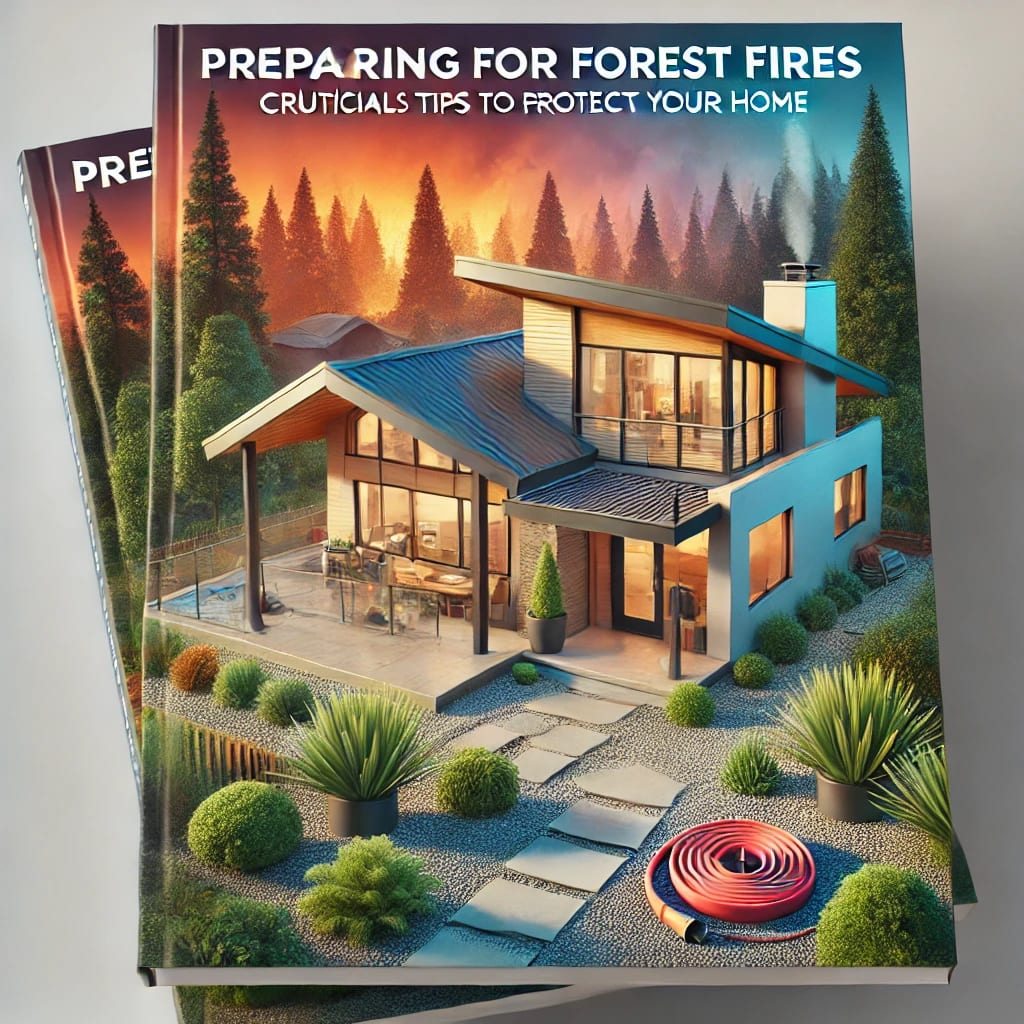
Wildfires are a big danger to homes and communities. In 2020, about 58,000 wildfires burned over 10 million acres in the U.S. Fires can start homes from over a mile away. So, it's very important to get ready for wildfires.
By learning and planning well, you can make your home safer from wildfires. This guide will show you how to protect your home. We'll cover checking risks, making your home strong, and getting ready for your family and property.

Key Takeaways
Over 90% of wildfires are caused by human activity, highlighting the importance of preparedness.
Homes can ignite from wind-blown embers traveling over a mile.
Creating a defensible space around your home can reduce risks by up to 90%.
Up to 50% of homes can be saved with effective home hardening techniques.
Removing flammable materials within 30 feet of your home decreases the risk of ignition significantly.
Understanding the Risks of Forest Fires
Forest fires pose many dangers to homes. It's key to know about direct flames, radiant heat, and flying embers. This knowledge helps protect your home.
Direct Flames
Direct flames are the biggest threat from wildfires. They can set homes on fire right away. Keeping your land clear and safe is very important.
California's rules say you need a 100-foot buffer around your home. This helps keep your home safe from fires.
Radiant Heat
Radiant heat from fires can also damage homes. It can make dry grass and plants catch fire. This heat can start fires without touching anything.
Using fire-safe materials and making safety zones is crucial. A Zone 0 is up to 5 feet around your house.
Flying Embers
Flying embers are another danger. They can travel far and start new fires. Keeping a Zone 1 area, up to 30 feet from your home, is important.
This area should be clean and green. Embers show how fires can spread. So, we must be ready to prevent and control fires.
Fire Risk Description Preventive Measures
Direct Flames Ignite structures through direct contact Maintain 100 ft defensible space, clear land of debris
Radiant Heat High temperatures from wildfires causing ignition without direct contact Use fire-resistant materials, create ember-resistant zones
Flying Embers Wind-carried embers igniting fires at distances Maintain Zone 1 and Zone 0, clean up potential fuel sources
Knowing about direct flames, radiant heat, and flying embers helps protect homes. It guides us in making our homes safer.
Home Hardening Strategies
Wildfires are happening more often. It's very important to make our homes safe. Homes near wildfires can catch fire from heat.
Also, homes with closed windows and doors are safer. They are 40% less likely to get damaged by smoke.
Retrofitting Techniques
Working on homes to make them safe from wildfires is key. We can change the roof to fire-safe materials. This can lower the chance of fire by 80%.
We can also put metal shutters on windows. Using non-flammable insulation and strong walls helps too. These steps make our homes safer from fire.
Common Vulnerable Areas
We need to check and fix weak spots in our homes. Roofs, windows, and vents are often where fires start. Using fire-safe roofs and heat-resistant glass helps a lot.
Keeping our homes tight can stop deadly smoke. Adding metal shutters and screening vents can lower property loss by up to 75%.
It's very important to make our homes safe. About 90% of wildfires in the U.S. are caused by people. We must harden our homes to avoid the bad effects of wildfires.
Creating Defensible Space Around Your Home
It's very important to make a safe area around your house to stop wildfires. You can do this by smart landscaping and using materials that don't catch fire. Here are some tips to help you make your home safer.
Landscaping Tips
Good landscaping can help stop fires. Here are some tips:
Prune lower branches: Cut branches that are close to the ground. This stops fires from spreading.
Maintain grass height: Keep grass short, especially when it's dry.
Clear pine needle layers: Get rid of thick layers of pine needles. Keep the area around trees clean.
Space vegetation properly: Make sure there's enough space between plants and trees.
Choosing the right plants is also important. Pick plants that don't catch fire easily.
Non-Combustible Materials
Using materials that don't burn is also key. This makes your home safer from fires:
Roofing and siding: Use metal, slate, or concrete for roofs and siding.
Decking: Make decks with composite or metal, not wood.
Barriers and buffers: Use gravel, stone, or concrete for walkways and driveways.
These materials help make a safe area around your home. This reduces the risk of fire.
Element Recommended Material
Roofing Metal, Slate, Concrete
Siding Fiber-cement, Stucco
Decking Composite, Metal
Walkways Gravel, Stone, Concrete
By using smart landscaping and non-combustible materials, you can protect your home from wildfires. This makes it more likely for your home to stay safe during fires.
Fire-Resistant Building Materials
Using fire-resistant materials in your home can make it safer during wildfires. Choose the right roofing for wildfire safety and exterior fireproof walls. This helps protect your home from forest fires.
Roofing Materials
For roofing for wildfire safety, pick materials that can handle high heat. Go for Class A-rated options like tiles, metal, or slate. They are the most fire-resistant.
Make sure the roof is installed right, with no gaps for embers to get in. Keeping roofs and gutters clean also helps prevent fires.

Exterior Wall Coverings
Choosing the right exterior fireproof walls is key for your home's safety. Stucco, fiber cement, and brick are good choices because they resist fire well. Your exterior walls should have a fire-resistance rating of at least one hour.
Sealing gaps around utility connections with fire-resistant materials is important. It helps stop fires from spreading. Also, covering vents with metal wire mesh keeps embers out.
By using these fire-resistant strategies and keeping up with maintenance, you can make your home safer. This gives you peace of mind during wildfires.
Maintaining a Survivable Space Around Your Home
Keeping a safe area around your home is key to being ready for wildfires. This space can slow down or stop wildfires. It also keeps your home safe from sparks.
Routine Maintenance
Regular upkeep is vital for fire safety. It makes your property strong against wildfires. This means clearing areas, pruning plants, and using fireproof materials.
The National Fire Protection Association says keep trees 10 feet away from your home. Also, you need to keep up with maintenance every 5 to 10 years. This keeps your space safe and stops plants from growing back too fast.
Cleaning Gutters and Roofs
Cleaning your gutters and roof is a top tip for fire safety. Wildfires can send sparks far, which can start new fires. So, clean your roof and gutters every year to get rid of dead leaves and twigs.
Remove all flammable debris like leaves and twigs.
Ensure a 5-foot noncombustible area around the base of your home.
Check and replace organic mulch within 5 feet of any structure.
Install metal screens with openings no larger than ⅛-inch on vents to prevent ember intrusion.
Maintain a clear driveway with at least 13.5 feet of vertical clearance for emergency vehicles.
By doing these things, you make your home safer from wildfires. It also helps emergency teams get to your home faster.
Four Essential Safety Measures for Wildfires
Wildfires can be very dangerous. But, you can protect your family and home with some safety measures for wildfires. It's important to know about wildfire prevention strategies and wildfire safety planning. Here are four key safety steps to help you get ready.
Create an emergency plan: Doing evacuation drills can make you leave faster by up to 60%. Teach your family about different ways to leave and where to meet up. Only 29% of families in wildfire-risk areas practice these drills, showing how important it is.
Use fire-resistant materials in construction: Using materials like fireproof paints, doors, and windows helps a lot. The National Fire Protection Association (NFPA) says having a 30-foot clear area around your home can cut fire risk by 75%.
Maintain a clean and clear perimeter around your home: Keeping your home area clean, like cleaning gutters and roofs, helps a lot. Homes near wild areas are more at risk, but having a clear area can make them safer by 80%.
Stay informed about local fire conditions and safety regulations: About 85% of wildfire evacuations are because of official advice. Getting updates from local emergency services helps you stay ready.
Statistic Data
Increase in wildfire occurrences over two decades 50% rise
Homes lacking wildfire preparedness measures 70%
Wildfire evacuations advised by officials 85%
Homes in wildfire-prone areas with planned evacuation routes 29%
Homes at risk in WUI areas during significant wildfires 50%
Using these wildfire prevention strategies and planning well for wildfire safety can make your home safer. Being proactive and careful is the best way to fight these disasters.
Preparing Your Family for a Wildfire
Getting ready for a wildfire is more than just making your home safe. You also need to have emergency kits and plans for leaving quickly. This helps keep your family safe when a wildfire happens.
Emergency Kits
It's key to have emergency kits ready for your family. These kits should have:
Non-perishable food and water for three days
N95 masks to keep smoke out
First aid and any medicines you need
Important papers in a waterproof bag
Flashlights and extra batteries
Chargers for your phone
Having these supplies helps you not use up hospital space. It also makes your family able to take care of themselves right after a wildfire.
Evacuation Plans
Good wildfire evacuation planning is vital for keeping your family safe. Having more than one evacuation route helps you be ready for anything. Here's a simple checklist:
Find at least two ways to leave your home
Give each family member a job
Do practice drills often
Make sure your car is ready to go
Use the FEMA app or NOAA Weather Radio for updates
Knowing where to go is important. Practicing these routes helps everyone know what to do. Always leave right away if told to by authorities. Remember, social media and texts are better for talking when phones are busy after a disaster.
Ensuring Easy Access for Firefighters
When a wildfire hits, every second matters. Making sure firefighters can quickly reach your home is key. This means having visible home addresses and clear pathways for emergency services.
Visible Address Numbers
Visible home addresses are very important. Your house numbers should be big and easy to see from the road, day or night. Numbers that glow or reflect light are best for seeing them through smoke.
The sooner firefighters find your home, the better. This helps them get there fast.
Clear Driveways and Roads
Having visible home addresses is just the start. Your driveways and roads must also be clear. They should not have branches or bushes blocking the way.
These paths need to be wide enough for fire trucks. They should be at least 12 feet wide and 14 feet high.
Keeping your property clear helps firefighters a lot. It can even save your home from a lot of damage during a wildfire.
Protecting Your Roof from Embers
Embers can travel up to five miles from a wildfire. This makes protecting your roof from embers very important. Using fireproof and ember-resistant roofing is key.
Choosing the right roofing material is the first step. Metal roofing is very fire-resistant because it doesn't burn. Clay and concrete tiles are also very fire-resistant but might need extra support.
Asphalt shingles can be made fire-resistant with special chemicals. They meet industry fire-safety standards. The material you choose is very important for your home's safety.
Keeping your roof clean is also important. Make sure it's free from debris to avoid fires. Using noncombustible gutter covers can also help stop fires.
Fire-resistant features are also important. Simple roof designs and fire-tested materials help protect your home. Using these together helps keep your roof safe from embers.
Material Fire Resistance Additional Notes
Metal Roofing Superior Fire Resistance Does not support combustion
Clay and Concrete Tiles High Fire Resistance May require additional structural support
Asphalt Shingles Enhanced with Fire-Retardant Chemicals Exceed industry fire-safety standards
Wildfires are a big threat, so protecting your home is crucial. Using fireproof roofing and keeping up with maintenance helps a lot. Choosing the right materials is a big step in getting ready for wildfires.
Proper Storage of Flammable Materials
Keeping flammable materials safe is key to protecting your home and community from fires. In places like California and Oregon, especially in summer, following storage rules is very important. It helps lower the risk of fires.
Gasoline and Propane
Storing gasoline and propane safely is very important for fire safety. They should be in approved containers and in a place with good air flow. Keep them away from things that could start a fire to avoid accidents.
Firewood and Combustibles
Firewood and other things that can burn must be kept thirty feet away from buildings. This helps prevent fires from starting near homes. Clearing around your house and using gravel instead of wood chips helps too.
Checking and taking care of these materials regularly is also important. It helps find and fix any dangers quickly. By doing this, homeowners can keep their homes safe from wildfires.
Forest Fires and Essential Preparation to Avoid Destruction
Forest fires are a big threat. But, with the right steps, you can lower the risks. Almost 90% of wildfires start from human actions. So, taking action early is key to avoid big problems. Here are some wildfire preparedness tips for every homeowner.
First, knowing the risks of forest fires is important. The Interior’s Office of Wildland Fire looks after 535 million acres of land. The Indian Creek Fire grew to 14,000 acres quickly after it started.
“Periodic low-intensity fires contribute to forest decomposition, improve wildlife habitat, and deliver essential nutrients to surviving plants."
Creating a safe area around your home is crucial. Use non-flammable materials for landscaping and fire-resistant building materials for your home. Also, keep your gutters and roofs clean to avoid fire hazards.
Safe practices are also key to prevent wildfires. Fireworks cause over 19,000 wildfires and 9,000 emergency visits each year. Always have water ready when using fireworks. Make sure campfires are fully out by using lots of water.
Vehicle exhaust can also start fires. Keep clear areas around your workspaces to avoid sparks. This helps prevent fires from starting.
Watching out for debris piles is also important. "Holdover" piles can start fires again, even weeks later. Always check these areas for hot spots.
By following these tips, homeowners can lower their risk. This helps protect their homes and families from wildfires.
Insurance and Financial Preparedness
Getting ready for wildfires means having good insurance and knowing what you own. Make sure your insurance fits your needs. This helps you stay safe financially.
Reviewing Your Insurance Policy
Check your insurance often to see if it covers wildfires. Home insurance protects your house and other buildings. It also covers your stuff against fire damage.
Some policies help with living costs if you can't stay in your home. Renters and homeowners insurance also protects your things. It covers theft and vandalism after a fire.
Auto insurance can help with car damage from fires. Business owners should think about Business Interruption Insurance. It helps with lost income and extra costs from fires.
Documenting Home Contents
Make a detailed list of what you own. Use photos or videos to document your property. This helps with insurance claims.
Keep both digital and paper copies of your inventory. Include what you own, when you bought it, and its value. This makes filing claims easier.
Preparing for wildfires is more than insurance. Save money for emergencies. Have a plan for quick money needs and keep important documents handy.
Insurance Type Coverage Details
Homeowners Insurance Protects structure and outbuildings, covers personal belongings, and provides ALE if home is uninhabitable
Renters Insurance Covers personal belongings, theft, vandalism, and ALE
Comprehensive Auto Insurance Covers vehicle damage due to fire and vandalism
BOP (Business Owner's Policy) Covers fire damage to office space, equipment, and inventory
Business Interruption Insurance Compensates for lost profits and additional operating expenses
Community Efforts and Resources
Joining Fire Adapted Communities and local Firewise programs helps us all fight wildfires better. These groups share important tips and tools. They help us work together to stay safe from fires.
Fire Adapted Communities
The Fire Adapted Communities Learning Network (FAC Net) helps communities fight wildfires. It teaches us how to live safely with fires. The Action, Implementation, and Mitigation Program (AIM) also helps by giving money and advice to high-risk areas.
Local Firewise Programs
Local Firewise programs are key in stopping wildfires. Programs like Ready, Set, Go! (RSG) teach fire departments and residents how to lower fire risks. They give us tools and advice to fight fires better.
Groups like FEMA's Pre-Disaster Mitigation (PDM) and the Community Wildfire Defense Grant (CWDG) help too. They give money to help communities make plans to fight fires. This makes sure we are ready for wildfires.
Program Description Support
FAC Net Supports communities adapting to live safely with wildfires Connection and resources
AIM Program Provides technical and financial support High-risk communities
RSG Program Empowers fire departments and residents Risk reduction tools
PDM Program Grants for hazard mitigation programs Planning and project grants
CWDG Program Grants for wildfire protection plans Development and revision support
Conclusion
Wildfires are getting more common and dangerous. This guide has many tips to help keep homes safe. It talks about making homes strong, clearing around them, and knowing about forest fires.
Homeowners need to work on making their surroundings safe. They should use materials that don't catch fire and keep up with maintenance. Prescribed burns are also important, but they need careful planning and experts.
Getting the community involved is key. Joining Firewise programs and Fire Adapted Communities helps a lot. It also helps follow rules for open spaces. This guide helps people and communities fight forest fires better.
FAQ
What are the main risks of forest fires?
Forest fires can damage homes directly by flames. They can also harm without touching by radiant heat. And, flying embers can start fires far from the main fire.
How can I harden my home against wildfires?
To make your home fire-resistant, use materials that don't burn easily. Focus on areas like roofs, windows, and vents. Use special techniques to help your home fight fires.
What is a defensible space and how do I create one?
A defensible space is a safe area around your home. Use plants and materials that don't burn easily. This helps slow or stop fires from reaching your home.
What are some fire-resistant building materials I can use?
Use materials like tiles or slate for roofs. Stucco or brick for walls. These materials block heat and embers well.
How can I maintain my property to improve its resilience to wildfires?
Keep your home clean by clearing gutters and roofs. Check your landscaping and fire prevention measures often. This helps protect against wildfires.
What essential safety measures should I implement to protect against wildfires?
Make an emergency plan and use fire-safe materials. Keep your home area clean and clear. Stay updated on local fire risks and rules.
How can I prepare my family for a wildfire?
Get ready with emergency kits and evacuation plans. Practice these plans with your family. This ensures everyone knows what to do in a wildfire.
How can I ensure easy access for firefighters during a wildfire?
Make sure your home's address numbers are clear. Keep driveways wide for emergency vehicles. This helps firefighters get to your home quickly.
How can I protect my roof from embers during a wildfire?
Use fire-resistant roofing materials. Keep your roof clean to avoid debris. This reduces ember risks on your roof.
What are the best practices for storing flammable materials safely?
Store flammable items like gasoline and propane safely. Keep them away from living areas. Follow guidelines to avoid fires.
What kinds of preparation should I consider to avoid destruction from forest fires?
Understand wildfires and take steps to protect your home. Create evacuation plans and teach your family about risks. This helps avoid damage.
How should I review and update my insurance coverage for wildfires?
Check your insurance to make sure it covers your needs. Keep an inventory of your belongings. This helps with insurance claims.
What are the benefits of engaging in community wildfire prevention programs?
Joining Fire Adapted Communities and Firewise programs helps everyone. It offers resources and ways to protect together. It also raises awareness about wildfires.
About the Creator
sunny gaidhu
As a highly skilled and motivated Electrical Engineer with experience
across the design, testing, maintenance and modification of industrial
products for international clients, I bring a wealth of professional
experience and training.
Keep reading
More stories from sunny gaidhu and writers in Education and other communities.
The TikTok Ban's Impact on Social Media: What It Means
The TikTok ban is a big deal for social media users. It comes from a new law called the 'Protecting Americans from Foreign Adversary Controlled Applications Act'. This law wants to remove TikTok from the U.S. It makes people wonder how it will affect the 150 million U.S. users who love TikTok.
By sunny gaidhuabout a year ago in Writers
The Duelist
The rays of a dying red sun flashed against the onrushing blade. The grey beards say the key to dueling lies in size, speed, reach, righteous fury, whatever the person in front of them pays them to say. Matteo knew better than any it was none of these and had an undefeated record on these sands to prove it.
By Matthew J. Fromm3 days ago in Fiction




Comments (2)
Thank you Alex for your feedback. Hope it helps others and can benefit from these valuable tips.
Good work! Helpful?