
The Global Migration Paradox: Youth Run to Cities, Elders Return to Villages
A self-reflection on how generations chase different dreams in the same world

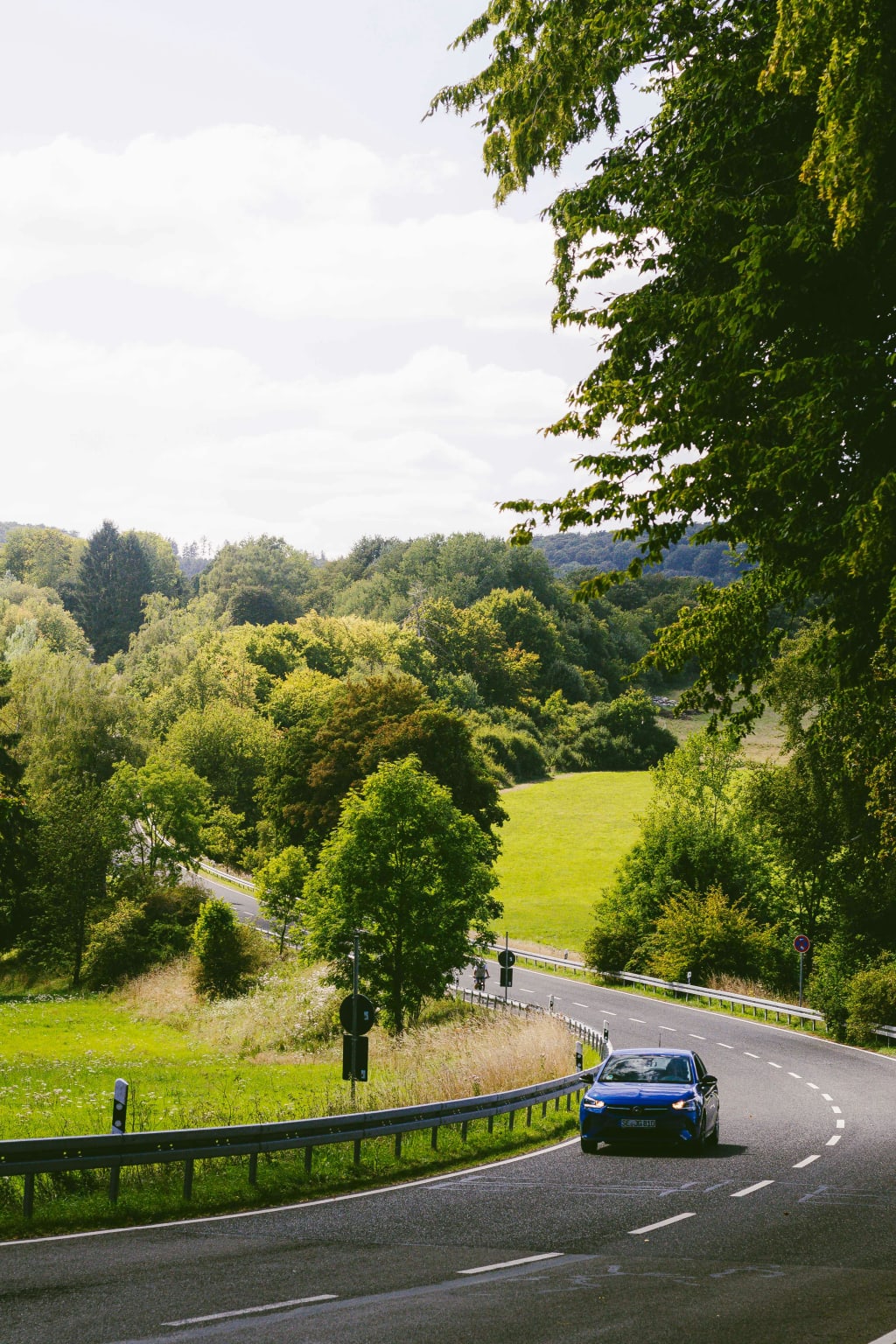
|By Marc Reflects, August 2025
Is life absurd as the King Salomon in the Bible once talked about it? I find myself returning to that thought as I watch the strange patterns of movement I see currently all around the world. Everywhere I look, there seems to be a tug-of-war between cities and the countryside. Young people leave their villages and small towns for the bright lights of the city, hoping to find jobs, education, and a life bigger than what their home communities can offer. And at the same time, I see older people often retirees leaving those same cities in search of fresh air, quiet streets, and a slower rhythm of life.
It is a paradox I have observed not only in Rwanda, but in so many parts of the world. The same cities that have long attracted people are now being left by those who have lived there for decades. And the same countryside that feels limiting for the young people, becomes a refuge of peace and meaning for the old. This tension says something profound about how our priorities shift as we move through life, and what “a better life” really means.
Youth and the Urban Dream
I remember seeing it first-hand at bus stations in Kigali where young men and women carrying backpacks, small suitcases, and big dreams. Some of them are moving to the city for education, some for work, some just because “there is nothing to do at home.” They are often full of hope, but also uncertainty.
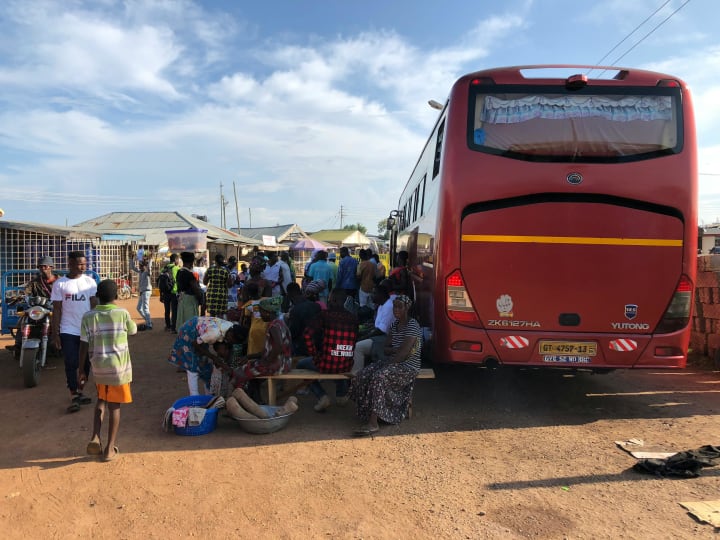
One young man told me, “I know life will be harder in the city, but I cannot stay in my village. There are no jobs, no schools beyond what we have, no opportunities for me to grow.” The same phenomenon is happening in other countries. In Europe, Asia, North America even parts of Latin America, rural youth are leaving their homes in search of a future that villages cannot provide.
It is unquestionable, cities promise opportunity, excitement, and growth. But they are not easy places. Rent is high, competition is fierce, and stress is constant. I have watched young people arrive with optimism, only to struggle with the realities of urban life. Yet they keep going, because the pull of opportunity is stronger than the fear of hardship.
Retirees and the Rural Escape
At the same time, I have seen the opposite movement. People who have spent decades in cities, retirees, professionals approaching the end of their careers are leaving urban areas for rural towns or villages. I have met a few of them personally, and each story is similar: they want clean air, quiet streets, and a life that allows them to reconnect with the land. Many take up small-scale farming, tending gardens, growing food, or keeping livestock—not just for money, but for the joy and sense of purpose it brings.
I spoke to a man in his sixties who recently moved from a busy city to a small village outside the capital. “I spent forty years chasing deadlines and traffic lights,” he told me. “Now I want to wake up to birds, not car horns. I want my hands in the soil again. It’s where I feel alive.”
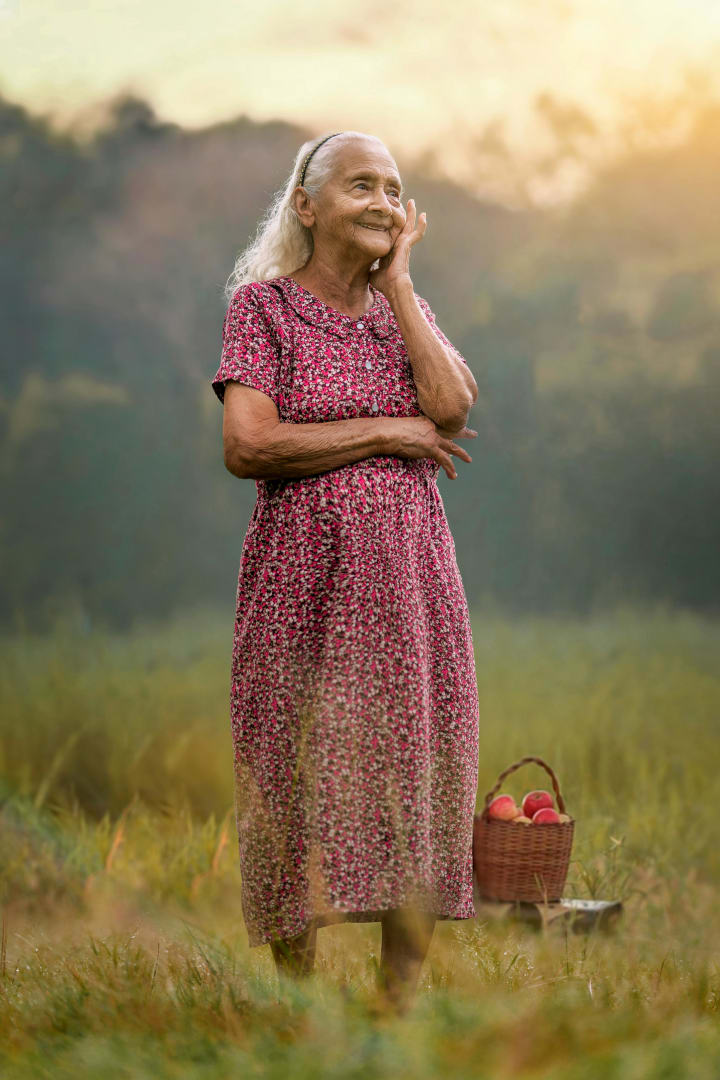
It struck me how different priorities are at different stages of life. For youth, the city represents hope and growth. For retirees, the countryside represents freedom, health, and a kind of calm that the city cannot provide. And yet, both groups are pursuing what they believe is a better life.
The Paradox in Motion
What fascinates me is that these movements are happening simultaneously everywhere. In Japan, young people flock to Tokyo while older adults retreat to rural towns. In Europe and North America, cities grow and shrink in cycles, shaped by the push and pull of generations. In Africa, I see villages losing their young, while rural towns closer to cities gain older residents who are seeking peace, safety, and farmland.
I have observed that this is not just about economics or opportunity. It is about life priorities, health, and well-being. Young people are drawn by the material promise: jobs, education, entertainment. Older adults are drawn by non-material benefits: space, quiet, clean air, and the chance to reconnect with nature. Agriculture often becomes the bridge between these two worlds—youth may see it as necessity, older adults as fulfillment.
This creates a unique tension. Cities are engines of growth but can be exhausting, overcrowded, and stressful. Rural areas are quiet and restorative but can feel limiting, especially for the young. Both migrations reflect deeply human desires: the pursuit of growth and opportunity, and the pursuit of peace and meaning.
Reflections on Life, Choice, and Balance
Seeing these patterns has made me reflect critically on life itself. We tend to think of progress in one direction: from rural simplicity to urban success. But reality is more complex. Sometimes, the journey reverses, and the “successful” person leaves the city for the countryside, just as the “hopeful” person leaves the village for the city.
I have thought about my own life, and how these movements mirror the internal tug-of-war we all experience between ambition and well-being, work and rest, activity and reflection. Perhaps the migration paradox is not just about geography; it is a reflection of human priorities shifting with age, circumstance, and experience.
For societies, this is a lesson. Cities need to find ways to retain their populations without burning them out. Rural areas need to become attractive not only to retirees but also to youth who may wish to return someday. Policies, infrastructure, and community planning must take into account these generational flows if we want balanced growth and sustainable communities.
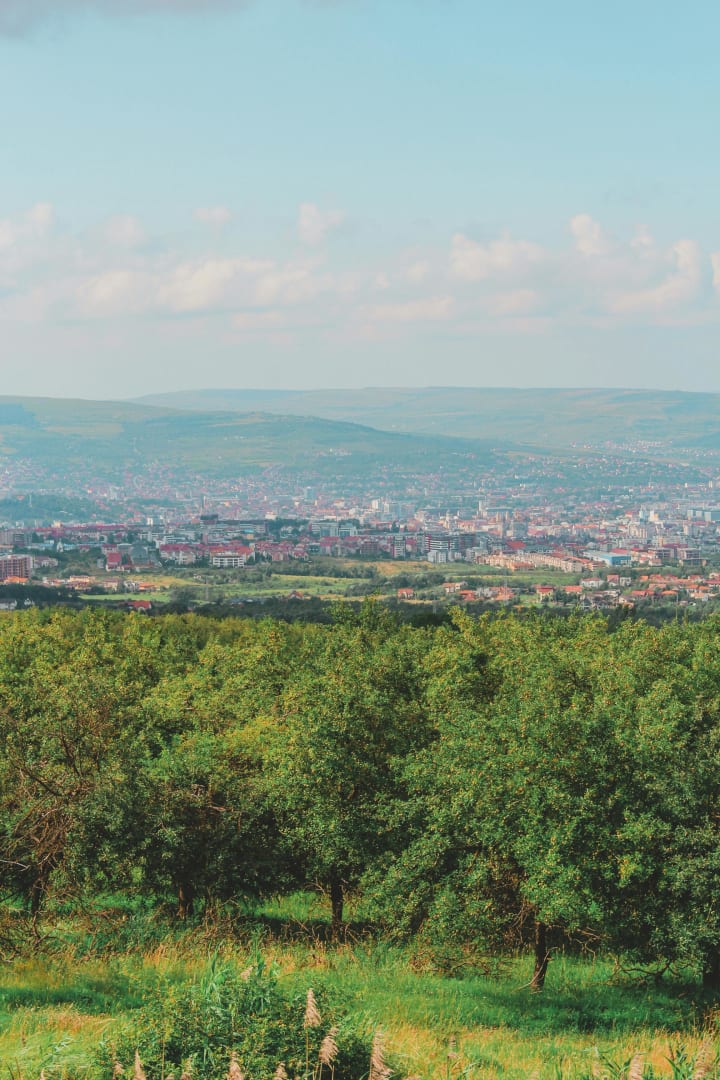
Agriculture, Purpose, and the Rhythm of Life
One thing I have noticed is how agriculture ties these migrations together. For older adults, farming is more than food—it is purpose. Tending a garden, growing vegetables, keeping animals gives structure, a sense of accomplishment, and a connection to life that city work often cannot provide. For young people, agriculture may seem less appealing at first glance—often associated with labor, scarcity, or limited income. Yet it is at the heart of human survival and satisfaction, connecting generations and sustaining both rural and urban communities.
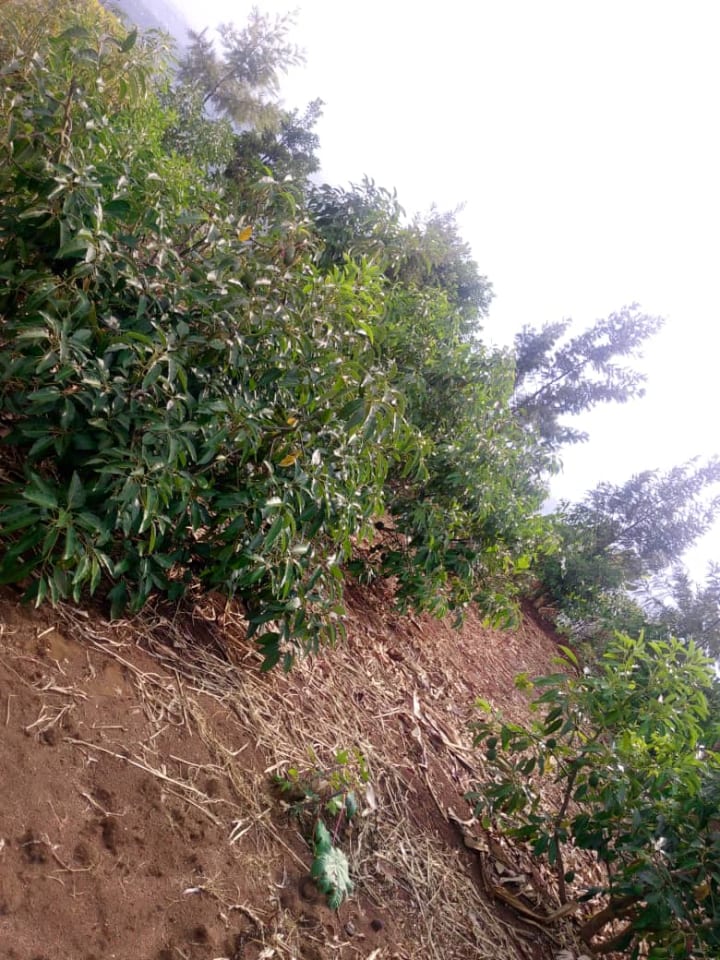
This has made me reflect on how societies undervalue rural life for the young, and urban life for the old. Both have lessons to teach. The young could benefit from understanding the rhythms of the land, while older adults remind us that life is not only about ambition, but also about peace, health, and meaningful work.
The Global Lesson
Observing these patterns across countries, continents, and generations, I realize that this is not a local phenomenon; it is a global one. Humans are always seeking a “better life,” but what that means changes with age, circumstance, and perspective.
For youth, “better life” means opportunity, growth, education, and ambition.
For retirees, “better life” means space, calm, health, and the joy of simple, purposeful work like agriculture.
The paradox is that the same land and cities are seen as limiting by one generation and liberating by another. The choices we make about where to live are deeply personal but also shaped by broader social, economic, and environmental forces.
Closing Thoughts
As I reflect on this global paradox, I see that it is not simply about movement from one place to another. It is about how human priorities shift with time. The same cities that once drew young people with promises of opportunity are increasingly being left by those who have already lived their urban chapters. And the same countryside that feels too small for the dreams of youth becomes, later in life, a wide and welcoming refuge of peace, health, and purpose.
Perhaps the lesson is that neither city nor countryside holds the full answer. Instead, they each represent different stages of the human journey: ambition and growth on one side, rest and meaning on the other. If King Solomon’s question was whether life is “a chasing after the wind,” then this paradox suggests otherwise. Maybe life is not about chasing endlessly, but about moving wisely—finding balance between city and countryside, work and rest, noise and silence, at every stage of our lives.
The Global Migration Paradox: Youth Run to Cities, Elders Return to Villages.
By Marc Reflects, August 2025.
About the Creator
Marc Reflects
"Writer of African reflections, practical life lessons and lived experiences. I explore personal growth, resilience, and entrepreneurship through stories that uplift, challenge, and connect people at the heart level. Let’s grow together.”
Keep reading
More stories from Marc Reflects and writers in Humans and other communities.
Rwanda: A Risen Nation of 31 Years
By Marc Reflects | August 2025 I can boldly affirm this: 'Even the deepest wounds can heal, and even the most broken nations can rise again'. Rwanda, a small country of 26,338 km² but seemingly vast in spirit, is a living example of that truth.
By Marc Reflects 5 months ago in The Swamp
Two Farmers Unearth a 17th-Century Silver Treasure While Working Their Land: A Remarkable Discovery
In a discovery that feels lifted straight from the pages of a historical novel, two farmers recently unearthed a 17th-century silver treasure while working their land. The find, consisting of coins, jewelry, and small silver artifacts, provides a fascinating glimpse into the region’s past and has ignited interest among historians, archaeologists, and the local community. Beyond the monetary value, this discovery underscores the enduring stories buried beneath the soil, waiting for chance and circumstance to reveal them.
By Salaar Jamali2 days ago in Humans



Comments (1)
Why do youth chase cities while retirees return to villages? This paradox isn’t just about geography—it’s about life choices. Have you noticed this paradox in your life or community? Share your thoughts below!