
The Gaza Flotilla Standoff: How Israel’s Blockade Is Shaking Global Politics
A powerful analysis of the Gaza flotilla crisis — how Israel’s blockade reignited global outrage, reshaped European politics, and questioned the balance between security and humanity.

1. Introduction: A Sea Voyage That Stirred the World
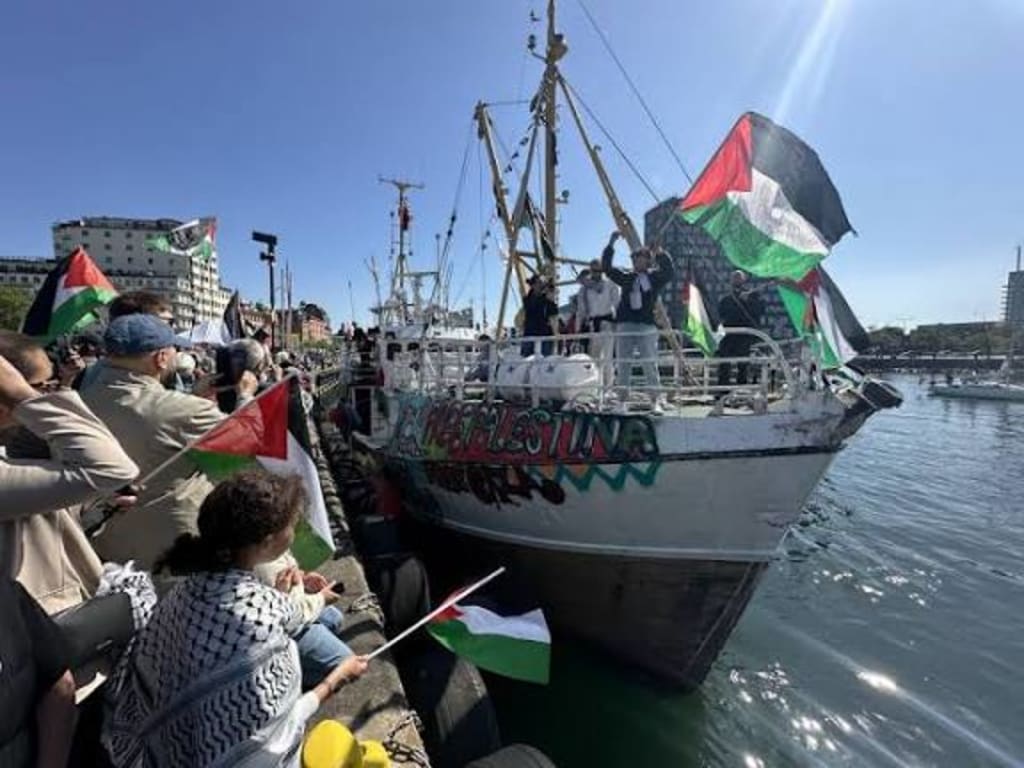
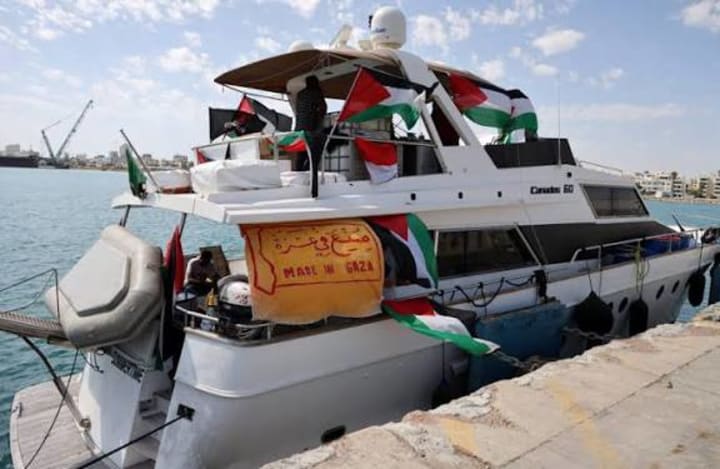
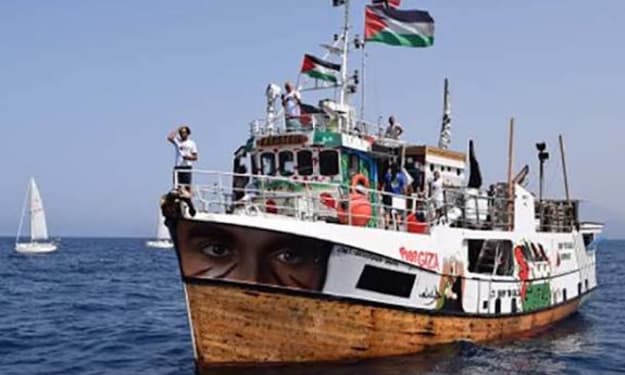
A convoy of humanitarian ships—famously known as the Gaza Flotilla—set sail with a mission of compassion: to deliver food, medicine, and hope to the besieged people of Gaza. Yet, their peaceful journey turned into a political storm when Israel intercepted the flotilla, claiming security concerns.
The event didn’t just halt a shipment of supplies—it reignited one of the most polarizing debates of our time: Where does security end, and where does humanity begin?
2. Why This Flotilla Matters
For many around the world, the Gaza flotilla represented more than a humanitarian mission—it symbolized resistance against oppression. Activists, doctors, and volunteers from multiple countries joined hands to deliver aid that Gaza desperately needs.
Their goal was clear: to challenge the blockade that has kept Gaza isolated for years. The interception of the flotilla, therefore, wasn’t just a physical act; it was a symbolic clash between political control and human compassion.
3. Israel’s Response and the Wave of Global Condemnation
Israel defended its actions, saying the blockade is necessary to prevent weapons smuggling and ensure national security. However, human rights groups and global observers strongly disagreed, calling it a “collective punishment” that violates international law.
Mass protests erupted across the globe—from London to Istanbul, Berlin to Jakarta—condemning the move as an attack on humanitarian values. The incident reignited tension not only in the Middle East but also across European capitals, where citizens and lawmakers are increasingly demanding accountability from Israel.
4. Europe’s Strong Reaction
Europe’s streets have once again become a stage for solidarity marches. Thousands gathered in major cities like Paris, Madrid, and Brussels to voice support for Gaza and demand an end to the blockade.
European governments, while diplomatically cautious, are facing internal pressure to take a stronger stance. The European Union’s relationship with Israel has become strained, as public opinion increasingly leans toward defending humanitarian principles over political alliances.
5. The Ripple Effect on Global Politics
The Gaza flotilla crisis has transcended borders. It is no longer just an issue between Israel and Palestine—it has become a test for international diplomacy.
The United States, Israel’s strongest ally, now faces tough questions from its own citizens and global partners. Muslim nations are uniting in their condemnation, while neutral countries find themselves forced to take a moral stand.
As global tensions rise, this crisis may reshape alliances and redefine the conversation about justice, sovereignty, and human rights in the 21st century.
6. The Human and Moral Dimension
Beyond politics and borders, this situation strikes at the heart of human conscience. When humanitarian aid—meant for children, the sick, and the displaced—is stopped at sea, the world must ask: What are we protecting, and from whom?
International organizations, including the United Nations, have expressed concern over the deepening humanitarian crisis in Gaza. Several aid groups are calling for immediate access to deliver medical supplies and food, warning that continued blockade could lead to irreversible suffering.
7. If Israel Continues the Blockade...
The longer the blockade persists, the greater the diplomatic cost for Israel. Continued restrictions could isolate it further on the world stage, weaken its moral standing, and damage trade relations with key European partners.
In addition, the growing global boycott movements could intensify. Economic sanctions, cultural boycotts, and political isolation are becoming more mainstream tools of protest. The world is changing—and ignoring global public opinion might no longer be an option.
8. A New Wave of Global Solidarity
The flotilla crisis has also sparked a new wave of international unity among citizens rather than governments. Activists are using social media to organize, share information, and expose what mainstream outlets sometimes overlook.
From university campuses to parliament floors, the message is spreading: Humanity must come first. In this way, the flotilla may have achieved something greater than its original mission—it has awakened the moral conscience of millions.
9. My Personal Reflection
As someone observing this unfolding tragedy, I believe that no political or military justification can outweigh the moral duty to protect human life. The blockade may serve security interests for one side, but it destroys the hope and dignity of another.
True peace can never be achieved through power—it comes through compassion and justice. The world doesn’t need more walls or blockades; it needs bridges of understanding. If the international community truly values humanity, now is the time to prove it through action, not silence.
10. Conclusion: Will Humanity Prevail Over Politics?
The Gaza flotilla has once again forced the world to confront its conscience. It has reminded us that political power often overshadows compassion—but only until people stand up and demand change.
The real question now is: Will humanity finally rise above politics, or will the world continue to turn its back on Gaza’s suffering?
About the Creator
Filmon Ke Raaz | Movie Mysteries Explained
Filmon Ke Raaz is a storytelling platform where movies are explained in a simple and engaging way. We uncover hidden meanings, untold facts, and deep mysteries behind thriller, horror, and mystery films.
Keep reading
More stories from Filmon Ke Raaz | Movie Mysteries Explained and writers in Humans and other communities.
The Gaza Flotilla Standoff and Its Impact on Europe
Introduction The recent attempt by a global aid flotilla to reach Gaza has once again highlighted the complex intersection of humanitarian concerns, international law, and geopolitical rivalries. With Israel determined to maintain its blockade and activists equally determined to challenge it, the standoff has become more than a regional issue—it is now a test case for Europe’s diplomacy, public opinion, and political unity.
By Filmon Ke Raaz | Movie Mysteries Explained4 months ago in Humans
Lost and Alone in the French Alps
Looking back, I can trace some of my life’s biggest adventures to a simple action from my sister. She’d introduced me to Tommy (a very long time ago), a colleague of hers, who had overshared his penchant for Italian-looking women, and I ticked that box.
By Chantal Christie Weiss20 days ago in Humans


Comments
There are no comments for this story
Be the first to respond and start the conversation.