
The Gaza Flotilla Standoff and Its Impact on Europe
The Gaza flotilla interception has reignited debate in Europe over Israel’s blockade, humanitarian law, and political divisions. What does this mean for Europe’s future stance in the Middle East?

Introduction
The recent attempt by a global aid flotilla to reach Gaza has once again highlighted the complex intersection of humanitarian concerns, international law, and geopolitical rivalries. With Israel determined to maintain its blockade and activists equally determined to challenge it, the standoff has become more than a regional issue—it is now a test case for Europe’s diplomacy, public opinion, and political unity.
Background of the Flotilla Incident
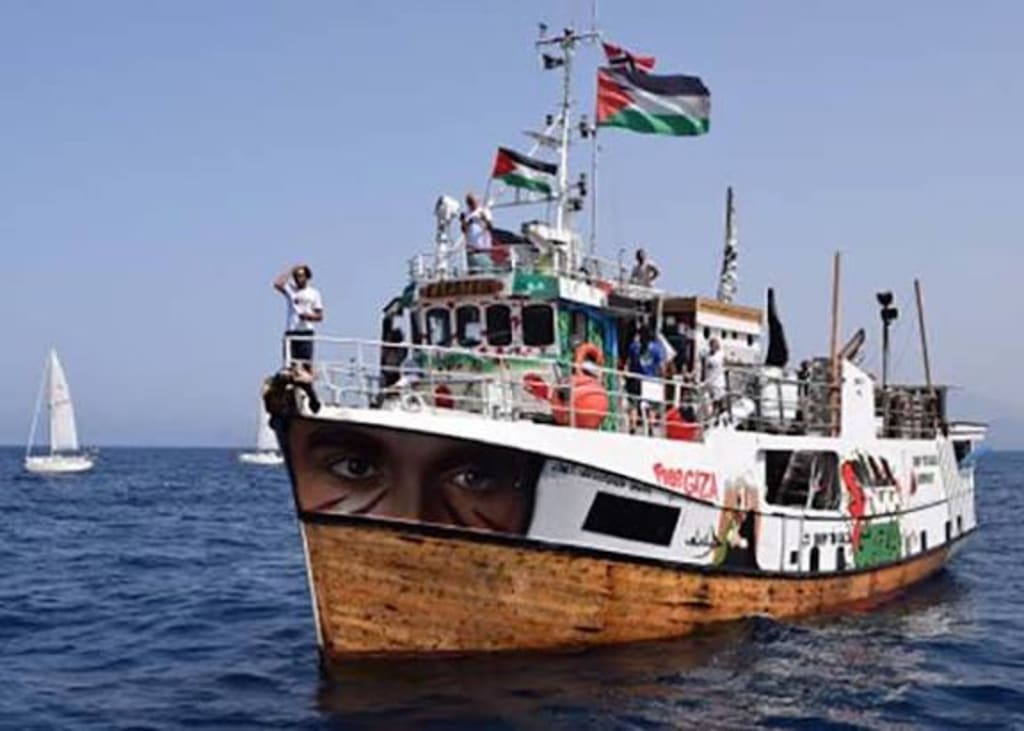
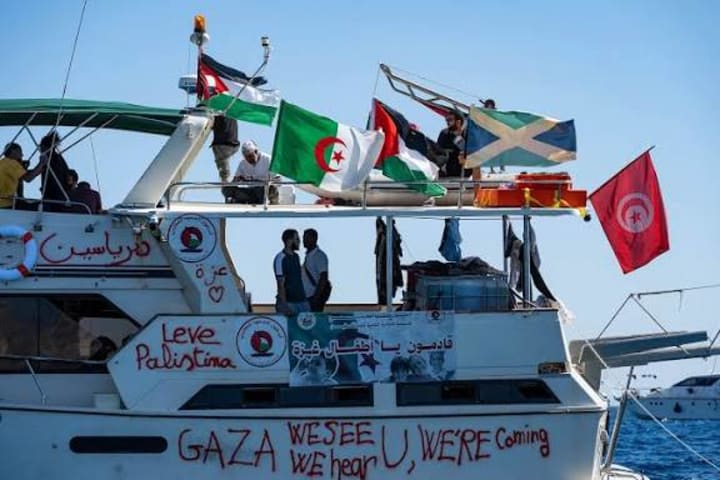
In early October 2025, a coalition of activists, humanitarian organizations, and civil society groups launched an aid flotilla toward Gaza. Their stated aim was simple: deliver medical supplies, food, and symbolic solidarity to a population under siege.
Israel, however, viewed the flotilla differently. From its perspective, the ships could represent a potential security threat, with the possibility of arms being smuggled under the cover of humanitarian aid. Israeli naval forces intercepted the flotilla, boarded several ships, and detained passengers, sparking international condemnation and reigniting debate about the blockade of Gaza.
Israel’s Options and Their Global Consequences
1. Intercept and Block Forcefully
The option Israel has already taken—boarding and seizing the flotilla—is effective in maintaining its blockade. However, it comes at a high cost. Images of armed Israeli forces detaining unarmed activists dominate global headlines.
Impact on Europe:
European governments face mounting pressure from civil society, particularly left-leaning parties and NGOs, to condemn Israel.
Protests across major European cities are likely to intensify, deepening polarization between pro-Palestinian and pro-Israeli voices.
Diplomatic relations may strain, with some EU states considering temporary freezes on military or trade agreements.
2. Intercept but Allow Safe Transfer of Aid
A more moderate path would be for Israel to intercept the ships but transfer their humanitarian cargo through official channels into Gaza. This option reduces the optics of aggression while maintaining control.
Impact on Europe:
Such a move would soften European criticism, allowing leaders to balance security concerns with humanitarian responsibility.
Public anger may still persist, but at a lower intensity compared to violent interception.
It would present Israel as pragmatic, though skeptics would continue questioning its true humanitarian intentions.
3. Allow Passage of the Flotilla
The least confrontational option would be to allow the flotilla to reach Gaza directly. This would ease humanitarian suffering and earn Israel goodwill.
Impact on Europe:
European governments would welcome such a move as a sign of de-escalation.
Human rights groups and activists would celebrate, lowering public pressure on European leaders.
Yet Israel would risk being criticized domestically for appearing “weak” and compromising its security doctrine.
Broader Implications for Europe
Humanitarian and Refugee Concerns
Every escalation in Gaza has ripple effects in Europe. If conditions worsen, more refugees may seek asylum in Europe, adding strain to already polarized debates on immigration. Southern Europe, particularly Greece, Italy, and Spain, would feel the immediate burden.
Political Polarization
European parliaments are already divided over the Israel-Palestine issue. The flotilla incident fuels polarization: some parties call for sanctions, while others defend Israel’s right to self-defense. This division weakens Europe’s ability to present a unified foreign policy.
Diplomatic and Security Dimensions
Beyond humanitarian concerns, Europe must weigh the risk of hybrid warfare. Cyberattacks, disinformation campaigns, and broader Middle Eastern instability could directly affect European security.
Legal and Ethical Dimensions
The core question remains: is Israel’s naval blockade legal under international law? Some experts argue that as long as the blockade is officially declared and enforced impartially, it may be lawful. Others counter that the humanitarian cost far outweighs any legal justification.
For Europe, the legal debate carries practical implications. Governments face lawsuits, public campaigns, and diplomatic scrutiny whenever their nationals are detained or harmed in such incidents.
The Future Outlook
The flotilla standoff is unlikely to be the last. As long as the humanitarian situation in Gaza remains dire, civil society will continue to organize such missions. Each interception will force Europe to re-examine its principles, alliances, and policies.
Europe must ask itself:
Does it prioritize strategic alliances with Israel?
Or does it align more strongly with international humanitarian law and public opinion at home?
The answers to these questions will shape Europe’s political credibility in the Middle East and beyond.
Personal Reflection
As I reflect on this issue, I cannot ignore the human dimension. Politics and diplomacy often overshadow the reality that ordinary people in Gaza—children, families, the elderly—are caught in a humanitarian crisis.
From a European perspective, the challenge is balancing security concerns with humanitarian responsibility. While Israel’s security fears are not unfounded, blocking aid ships only deepens suffering and fuels resentment. I believe Europe should take a stronger stand, pushing for transparent humanitarian corridors that ensure aid reaches civilians while addressing security concerns.
In the end, no blockade, no naval interception, and no diplomatic maneuver can substitute for genuine political solutions. Europe must play its role in steering the conversation away from confrontation and toward peace.
Conclusion – A Question for Europe
The flotilla standoff raises a critical question: Will Europe remain a divided observer in the Israel-Palestine conflict, or will it step up as a united actor advocating for both security and humanitarian justice?
About the Creator
Filmon Ke Raaz | Movie Mysteries Explained
Filmon Ke Raaz is a storytelling platform where movies are explained in a simple and engaging way. We uncover hidden meanings, untold facts, and deep mysteries behind thriller, horror, and mystery films.
Keep reading
More stories from Filmon Ke Raaz | Movie Mysteries Explained and writers in Humans and other communities.
Charleston White and the Cost of Being Loud in a Tired Culture
Some names spark instant reaction, and Charleston White is one of them. Say his name and people feel something right away. Anger, curiosity, discomfort, or agreement. Rarely indifference. In an internet culture driven by attention, Charleston White stands out not because he whispers, but because he refuses to soften his voice. He speaks in ways that feel raw, offensive to some, and honest to others. His rise has not followed a traditional path. There is no clean image or careful messaging. Instead, there is confrontation, contradiction, and controversy. To understand why Charleston White matters right now, we have to look beyond viral clips and outrage. His story says something deeper about pain, accountability, and a society unsure how to handle uncomfortable truth.
By Muqadas khan3 days ago in Humans
Miss Persephone's Manual to a Seemingly Ordinary Life
Miss Persephone was found at the dining table, her blue eyes swollen, her tears arriving and retreating like the tides of the ocean. Earlier that day, her family had visited her in the retirement home where she had lived for eight years. It was her eightieth birthday.
By Imola Tóth3 days ago in Fiction


Comments
There are no comments for this story
Be the first to respond and start the conversation.