
The Fragile Promise of the First Amendment: Understanding Our Right to Protest

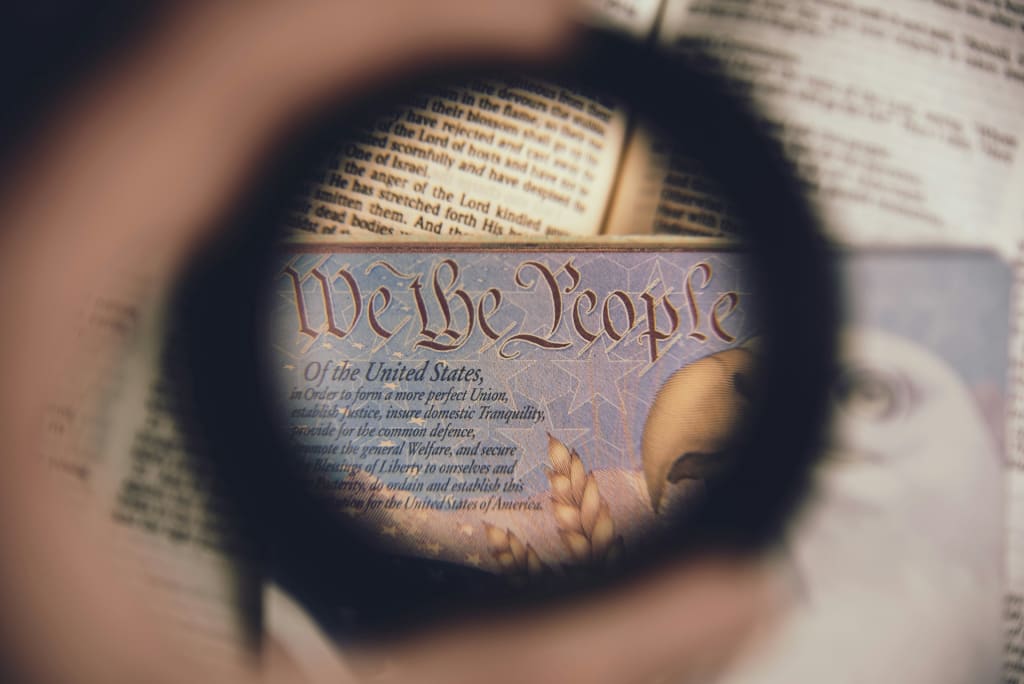
The fundamental rights enshrined in the United States Constitution serve as the bedrock for the country’s democratic principles. Among these, the First Amendment stands out as a crucial safeguard for freedom of expression—specifically, the right to protest. Recent discourse surrounding political figures like former President Donald Trump often includes assertions about the nature of their leadership and the extent of their respect for civil liberties. A particularly alluring argument states that Trump cannot be a dictator because he allowed protests. However, this assertion undermines the core principles of democracy and the rights afforded to Americans.
The Essence of the First Amendment
At its core, the First Amendment guarantees five key freedoms: religion, speech, press, assembly, and the right to petition the government. It ensures that citizens can express their grievances and ideas openly, without fear of government retribution. The roots of these principles delve deep into the very fabric of American society, arising from a historical struggle against tyranny and oppression.
When discussing the right to protest, it is essential to recognize that this freedom is not a privilege granted by our leaders; instead, it is an inherent right conferred by the Constitution itself. As such, the government has a responsibility to honor and protect this right, not to dictate its terms or scope.
The Misconception of "Allowance"
The argument that a leader "lets" people protest reflects a fundamental misunderstanding of the relationship between the citizen and the state. Protests are not merely tolerated activities but expressions of fundamental rights. The phrase "let you protest" embodies a paternalistic attitude, suggesting that the government possesses the authority to grant or deny rights. In reality, our rights exist independently of any elected official's approval. This distinction is crucial in maintaining the integrity of democratic governance.
When citizens take to the streets, they do so not from permission granted by a ruling authority but from a constitutional obligation. Their actions express a collective commitment to holding the government accountable. Protests arise from the recognition that, while rights exist, they must be actively defended and asserted. The notion that leaders allow protests risks misunderstanding this dynamic.
Historical Context and Its Implications
Throughout U.S. history, protests have played a transformative role in shaping public policy and societal norms. Movements for civil rights, women's suffrage, labor rights, and numerous other causes featured protests as a vital component of their strategies. These movements often endured significant opposition from government authorities and those in power.
The Civil Rights Movement of the 1960s illustrates the power of protest in achieving tangible change. Activists like Martin Luther King Jr. famously endorsed nonviolent protests to challenge the systemic racism that pervaded American society. These actions were frequently met with severe backlash from law enforcement and public officials. Protesters faced violence, arrest, and intimidation, yet their resolve helped lead to the passage of landmark legislation like the Civil Rights Act of 1964.
In this context, the ability to protest is both a reflection of rights and a challenge to authority. This duality reinforces the importance of preserving such freedoms, regardless of individual leadership styles or political climates.
Fragility of Rights
Understanding that rights can only be taken away is essential in the context of ongoing political discourse. While the First Amendment protects the right to protest, that protection requires vigilance and active defense. It's a delicate balance—rights can erode if citizens become complacent or if authorities seek to limit them under the guise of legality or security.
Recent years have seen numerous instances where individuals and groups advocating for change faced pushback, sometimes in the form of increased surveillance, law enforcement actions, or restrictive legislation. For example, measures that amplify police presence during protests or implement curfews can stifle the very act of peaceful assembly and expression. Such actions exemplify the risks inherent in a political landscape where rights become susceptible to infringement.
The Role of Citizenship
The right to protest is not merely a political tool; it is also a civic duty. As citizens, we bear a responsibility to engage actively with our democratic system, challenging injustices and amplifying marginalized voices. Protests illuminate the gaps between governmental action and the needs of the populace. In this manner, the act of protest becomes an inherent part of civic engagement.
The protests against systemic racism in the wake of George Floyd's murder in 2020 illustrated the urgency and necessity of mobilizing in defense of constitutional rights. This movement became a clarion call, pushing discussions of policing, equity, and justice into broader public consciousness. While these protests were not "allowed" by leaders, they reflected a collective demand for accountability—a demand rooted in the very fabric of American democracy.
Moving Forward: Embracing Our Responsibility
Recognizing the fragile promise of the First Amendment invites us to embrace our role as vigilant stewards of our rights. Instead of categorizing our rights as privileges bestowed upon us by those in power, we must understand them as intrinsic to our identity as citizens. Embracing this perspective is vital to cultivating an informed and engaged populace capable of advocating for justice and equity.
As we move forward, let us remember that our rights are preserved through collective action and unwavering commitment to challenging the status quo. Each protest, march, or demonstration is a reaffirmation of our democratic principles—a vital reminder that our freedoms are maintained through the ongoing efforts of individuals who demand change.
Conclusion: The Importance of Active Engagement
The assertion that President Trump—or indeed any leader—"let" people protest misses the critical understanding of civic responsibility and constitutional rights. In the United States, our rights are not granted or withdrawn by the whims of elected leaders; they are inscribed in the First Amendment and upheld through active citizen engagement.
As citizens, we must recognize the delicate balance between rights and responsibilities. The promise of protest as a constitutional right requires active participation, vigilance, and a commitment to holding our leaders accountable. While the political climate may shift and change, the necessity of protest as an instrument of empowerment will remain a defining feature of a healthy democracy. The fight to preserve our rights may require continuing effort, but it is a fight worth undertaking—a responsibility neither taken lightly nor to be relinquished to any leader. It is incumbent upon all of us to defend the fragile promise of the First Amendment and ensure that the voice of the people resounds powerfully within the halls of power.
Feel free to share
About the Creator
Julie O'Hara - Author, Poet and Spiritual Warrior
Thank you for reading my work. Feel free to contact me with your thoughts or if you want to chat. [email protected]
Keep reading
More stories from Julie O'Hara - Author, Poet and Spiritual Warrior and writers in Humans and other communities.
The Danger of Clichés and Metaphors: How They Dilute Our Communication
In the vast landscape of language, clichés and metaphors serve as convenient shortcuts. They provide us with ready-made expressions that can help us convey ideas quickly. However, overusing these verbal crutches can lead to uninspired thinking, stifled creativity, and even weakened communication. In this article, we’ll explore how leaning too heavily on clichés and metaphors can lock us into a cycle of small-mindedness and restrict our ability to express ourselves fully.
By Julie O'Hara - Author, Poet and Spiritual Warrior3 months ago in Humans
The CEO of Everything
They say "jack of all trades, master of none," but they forgot to mention the part where the jack of all trades is also the camera woman, the makeup artist, and the person currently yelling at a tangled Wii microphone cable in a her own bathroom while recording herself singing and trying to make it look realistic and professional. (As professional as you can make it with nothing but a cell phone camera and a mic that doesn't work)
By Sara Wilson7 days ago in Humans
How to Lose Weight Without Strict Meal Plans.
Weight loss does not require rigid meal plans. Structure helps some people. Many struggle with restriction. A flexible approach supports consistency and long term results. You focus on habits instead of rules. You build routines you maintain.
By Wilson Igbasi3 days ago in Humans
📢 Raise Your Voice Thread: 01/22/2026
Our “Raise Your Voice Threads” are hosted most alternating Thursdays at 12PM ET to offer creators more avenues to uncover exceptional stories on Vocal. As we are continuously searching for fresh creators and inspiring stories, this thread provides an opportunity to exchange and discuss the stories that have moved and motivated us on Vocal.
By Raise Your Voice by Vocal3 days ago in Resources



Comments
There are no comments for this story
Be the first to respond and start the conversation.