
The Four Stages of Hair Growth
Hair growth is a complex process that occurs in four distinct stages.
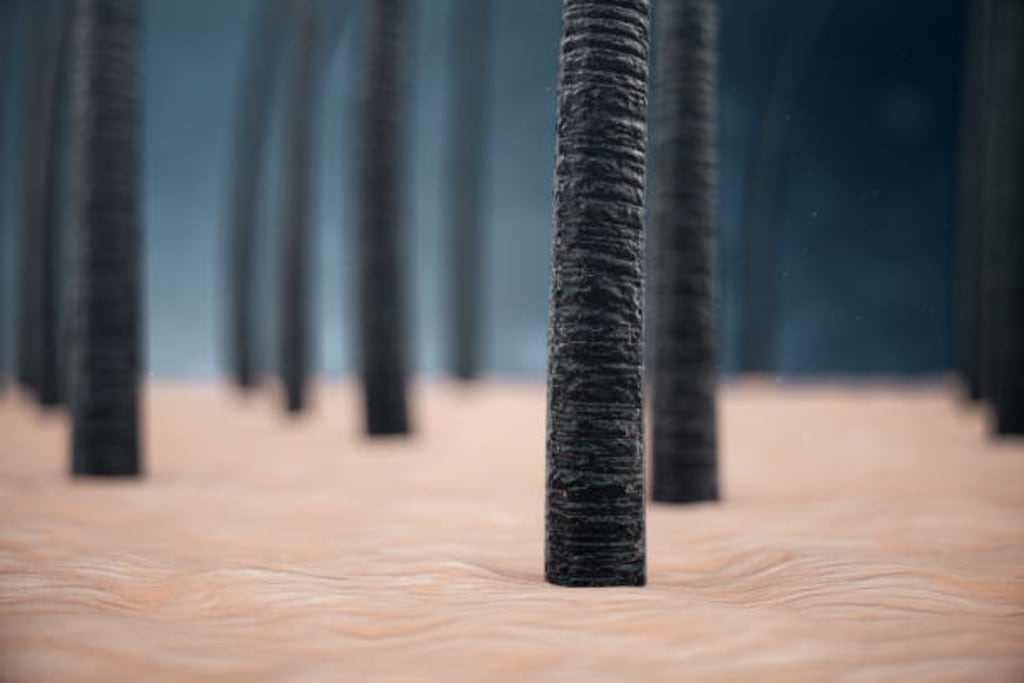
While it might seem simple, the cycle of growing and shedding hair involves a series of phases that have been extensively studied to better understand how hair grows and how certain conditions can disrupt this process.

1. Anagen: The Growing Phase
The hair growth cycle begins with the anagen phase, which is the most prolonged stage, lasting between 3 to 5 years for scalp hair. In some individuals, this phase can extend for 7 years or even longer. During anagen, hair follicles actively produce hair, which continues to grow until it is either cut or reaches the end of its natural lifespan. At any given moment, approximately 90% of the hairs on your head are in this growth phase. Interestingly, the anagen phase differs depending on the type of hair; for instance, eyebrow and pubic hairs have a much shorter anagen phase compared to scalp hair.
2. Catagen: The Transition Phase
Following anagen, the catagen phase begins, lasting around 10 days. In this phase, hair growth slows as the hair follicle shrinks and the hair detaches from the blood supply. Although the hair remains in place during this transition, it is no longer growing. At any time, about 5% of the hairs on your head are in the catagen phase, marking the end of their growth period.
3. Telogen: The Resting Phase
The telogen phase, which lasts approximately 3 months, is a period of dormancy for the hair follicle. During this phase, 10 to 15% of your scalp hairs are in a resting state. While no new hair growth occurs, the follicles begin preparing for the next cycle. Some experts consider telogen the "shedding phase" as well, but many scientists distinguish between the telogen and the subsequent exogen phase.
4. Exogen: The Shedding Phase
The exogen phase is often viewed as an extension of the telogen phase, where hair is shed from the scalp. It is normal to lose 50 to 100 hairs per day during this phase. As old hairs fall away, new hairs are already growing in the follicles, ready to replace them. The exogen phase can last anywhere from 2 to 5 months, depending on various factors, including the location of the hair.

Maintaining Hair Health Through All Four Stages
Healthy hair growth depends on several factors, including genetics, hormone levels, and lifestyle choices. To support healthy hair throughout all four stages, consider the following strategies:
Good Nutrition: Hair is primarily composed of protein, so maintaining a diet rich in lean meats, fish, beans, legumes, and low-fat dairy products is crucial. Vitamins like D and C, along with iron, zinc, folic acid, and B12, also play a significant role in promoting hair growth.
Reduced Stress: High stress levels can accelerate hair loss by disrupting the natural hair growth cycle. Conditions like telogen effluvium, trichotillomania, and alopecia areata are linked to stress. Managing stress through techniques like yoga, meditation, and counseling can help reduce hair loss.
Proper Hair Care: Choosing the right shampoo and conditioner for your hair type is essential. Avoiding hot water and using gentle drying techniques can also prevent damage, promoting healthier hair growth.
Key Takeaways
The four stages of hair growth—anagen, catagen, telogen, and exogen—each have their own timeline and function. Maintaining a healthy lifestyle, reducing stress, and taking proper care of your hair can help ensure that your hair remains healthy throughout these stages. For those in Tampa dealing with hair loss or seeking a more permanent solution, Electrolysis Hair Removal near Tampa offers a reliable option. This method is particularly effective for those looking to address unwanted hair permanently, ensuring that new growth cycles are managed in a way that best suits individual needs.
If you notice that you’re losing hair more rapidly than usual, it’s a good idea to consult with a doctor. An underlying condition may be affecting your hair growth cycle, and early treatment could help slow the process of hair loss.
About the Creator
Keep reading
More stories from Martin labrinth and writers in Humans and other communities.
Lost and Alone in the French Alps
Looking back, I can trace some of my life’s biggest adventures to a simple action from my sister. She’d introduced me to Tommy (a very long time ago), a colleague of hers, who had overshared his penchant for Italian-looking women, and I ticked that box.
By Chantal Christie Weiss20 days ago in Humans
How to Find the Right Intensive Outpatient Program in Your Area
Finding the right mental health or addiction treatment can feel overwhelming, especially when balancing recovery with work, family, and daily responsibilities. For many individuals, an intensive outpatient program (IOP) offers the structure and clinical support they need without requiring full-time residential care. Understanding how to evaluate and choose the right program is an important step toward long-term recovery.
By Jordan Blake7 days ago in Humans



Comments (2)
Well written
Thanks for sharing