
The Evolution of PRP Injections: From Niche Therapy to Market Powerhouse
best prp treatment in karachi
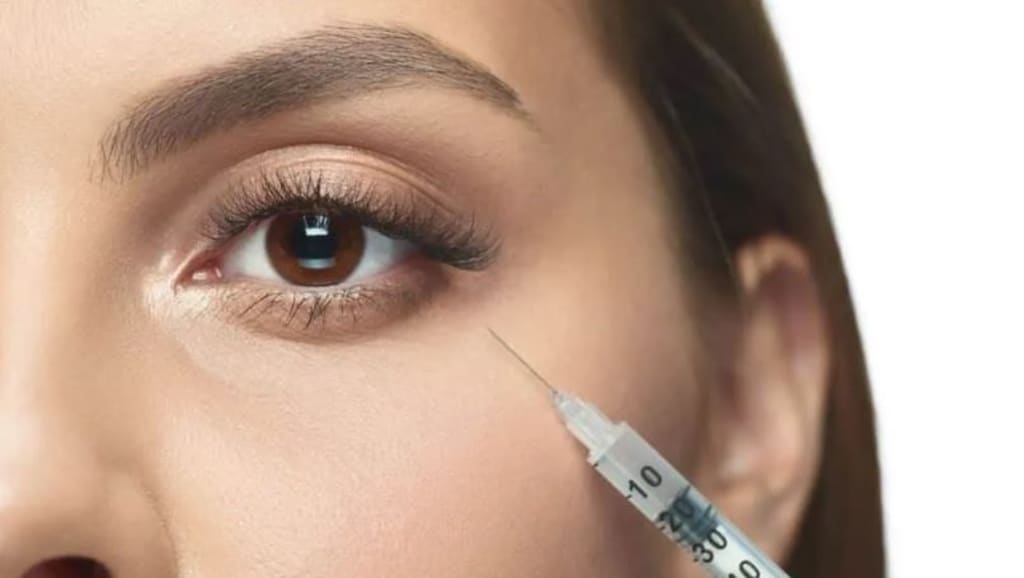
In the early 2000s, platelet-rich plasma (PRP) injections were largely considered an experimental procedure, used in obscure corners of sports medicine and cosmetic clinics. At that time, its applications were few, evidence was limited, and only the most progressive specialists dared to explore its benefits. But in the two decades since, PRP has transformed from an under-the-radar technique into a mainstream medical marvel, now adopted across orthopedics, dermatology, aesthetics, dentistry, and even sexual wellness. Today, prp treatment stands at the intersection of innovation and popularity, symbolizing how regenerative medicine can disrupt traditional care models.
The Science Behind the Surge
PRP therapy is based on a simple yet powerful concept: leveraging the body’s own natural healing abilities. By drawing a patient’s blood, spinning it in a centrifuge to concentrate the platelets, and reinjecting it into injured or aging tissue, PRP delivers growth factors that accelerate recovery and rejuvenation. Platelets, which are best known for blood clotting, also release proteins that aid in tissue repair and cellular regeneration.
Initially, the lack of standardized protocols, clinical evidence, and FDA approvals kept PRP on the sidelines. Physicians used it off-label, often relying on anecdotal outcomes rather than peer-reviewed studies. However, as scientific understanding deepened and techniques matured, the results began to speak for themselves. Improved joint mobility, faster recovery from injuries, and visibly better skin quality fueled further research and adoption.
PRP in Sports Medicine and Orthopedics
One of the earliest endorsements for PRP came from elite athletes. High-profile cases—like tennis star Rafael Nadal and golfer Tiger Woods—reportedly undergoing PRP injections for knee and tendon injuries brought PRP into the media spotlight. Suddenly, the niche therapy had star power, and both sports physicians and patients took notice.
Today, PRP is commonly used to treat tendonitis, ligament injuries, and osteoarthritis. Unlike cortisone shots, which merely suppress inflammation, PRP aims to stimulate actual healing. Studies have shown that PRP can reduce pain and improve function in patients with chronic musculoskeletal conditions, especially when other treatments have failed.
In orthopedics, PRP is now frequently employed as a conservative alternative to surgery or as an adjunct to surgical procedures to promote faster tissue integration and recovery.
Aesthetic and Dermatological Breakthroughs
Another major leap in PRP’s evolution occurred in the aesthetics sector. Often dubbed the "vampire facial" after being popularized by celebrities, PRP facials and microneedling procedures use plasma to rejuvenate the skin. Patients report firmer texture, improved tone, and reduction in fine lines, all without chemicals or invasive methods.
Dermatologists also use PRP to treat alopecia (hair loss), particularly androgenic alopecia, which affects both men and women. When injected into the scalp, PRP stimulates hair follicles, encouraging natural hair regrowth. The appeal is obvious: a natural, drug-free option with minimal side effects.
What sets PRP apart in aesthetics is its biocompatibility—because it comes from the patient’s own body, the risk of allergic reactions or complications is extremely low. This has allowed PRP to find favor with clients looking for organic, minimally invasive procedures.
Expansion into Dentistry and Sexual Wellness
While PRP's role in sports and aesthetics is widely recognized, it’s also making inroads into less conventional areas like dentistry and sexual health. In oral surgery, PRP helps accelerate the healing of gums and jawbones, making it valuable for procedures like tooth extractions, dental implants, and reconstructive surgeries.
In the field of sexual medicine, PRP is being explored for treatments like the "O-Shot" for women and "P-Shot" for men—both aimed at enhancing sexual function and sensitivity. Though still under investigation, early reports suggest promising results in improving blood flow and tissue sensitivity.
These applications, while newer, demonstrate PRP’s adaptability across medical disciplines and reinforce its role as a powerful regenerative therapy.
Challenges, Regulation, and Future Prospects
Despite its success, PRP is not without limitations. One of the biggest challenges remains the lack of uniformity. Since PRP is prepared manually in many clinics, the concentration of platelets and quality of plasma can vary significantly. This variability affects outcomes and complicates research efforts.
Additionally, PRP injections are not FDA-approved as a standardized drug, though the devices used to prepare PRP are cleared. This regulatory gray area means insurance companies often don’t cover the treatment, making it inaccessible to some patients due to cost.
However, the tide is shifting. As more randomized controlled trials emerge, and device technology improves to ensure consistency, the path toward regulatory standardization and broader coverage becomes clearer.
Looking ahead, the future of PRP is closely tied to the evolution of regenerative medicine as a whole. Combination therapies using stem cells, exosomes, or hyaluronic acid alongside PRP are already being explored, showing even more potent healing effects. Meanwhile, AI-powered diagnostics and imaging are helping physicians determine the optimal PRP protocols for individual patients, ushering in an era of personalized regenerative care.
Conclusion: A Medical Movement, Not a Moment
From its quiet beginnings in back-office procedures to front-and-center status in major clinics, PRP has undergone a dramatic transformation. What was once considered an unproven niche is now a cornerstone of modern regenerative medicine. Patients increasingly demand treatments that heal, not just hide symptoms, and PRP fits that demand perfectly.
This is more than just a trend. PRP injections represent a fundamental shift in how we approach healing—less invasive, more holistic, and powered by our own biology. As science advances and access improves, PRP’s role will only grow, solidifying its status not just as a therapy, but as a powerful force in modern medicine.
About the Creator
Keep reading
More stories from Hash Invasive and writers in Humans and other communities.
Injecting Hope: Can At-Home PRP Kits Deliver Real Hair Growth?
In the evolving landscape of cosmetic and medical aesthetics, Platelet-Rich Plasma (PRP) therapy has emerged as a compelling option for individuals facing hair thinning or loss. Originally offered only in professional clinical settings, this technique—where a patient's own blood is drawn, processed, and reinjected into the scalp—has now taken a step closer to convenience with the rise of at-home PRP kits. These DIY solutions claim to mimic the effects of clinical procedures, promising ease, affordability, and the potential for renewed hair growth without setting foot in a doctor’s office. But how effective are they really? Can these kits live up to the scientific promise of hair prp treatment, or are they simply preying on hope?
By Hash Invasive10 months ago in Humans


Comments
There are no comments for this story
Be the first to respond and start the conversation.