
The dual face of artificial intelligence
Artificial intelligence: a duality of hope and concern

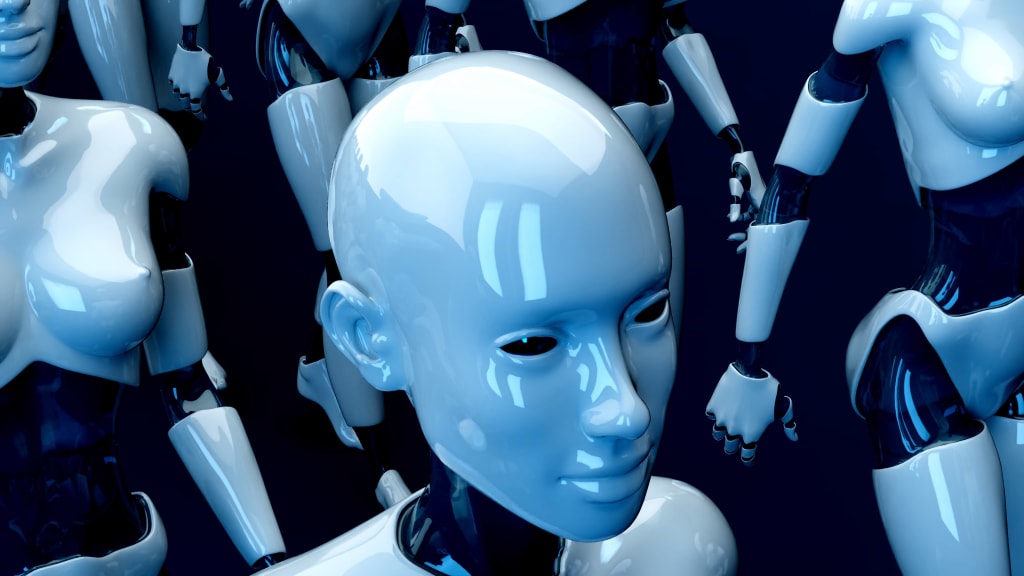
Artificial intelligence (AI) is often described as having a double face, reflecting both its incredible capabilities and the concerns that surround it. On the one hand, AI offers unprecedented opportunities to solve complex problems, improve our daily lives and transform many sectors. On the other, it raises concerns about its ethical, social and economic implications. Let's take a closer look at this dual face of AI.
The positive face of AI is striking. It enables us to perform tasks that were once unthinkable. Thanks to sophisticated algorithms, it can analyze vast quantities of data, detect hidden patterns and make informed decisions. AI is used in fields such as medicine, where it facilitates the early diagnosis of disease and improves treatment. In industry, it helps automate processes, optimize operations and reduce costs. AI-based virtual assistants, such as chatbots, provide instant, personalized support to users, enhancing the customer experience. In short, AI offers tangible benefits that are positively shaping our world.
However, it's important to recognize the dark side of AI. One major concern is its impact on employment. AI-powered automation could replace traditional jobs, leading to job losses and economic inequality. This requires rapid adaptation of the workforce and reflection on new forms of work. What's more, AI can be biased, reproducing existing prejudices present in training data. This can lead to discrimination and unfair decisions, particularly in recruitment systems, judicial decision-making and credit-granting processes.
Data confidentiality is also a major issue. AI requires access to huge amounts of data to learn and operate effectively. This raises concerns about privacy and the control of personal information. Data protection regulations and practices are essential to ensure that the use of AI respects individual rights.
In addition, AI raises complex ethical issues. Autonomous systems can face moral dilemmas when they have to make difficult decisions, such as in self-driving car accidents. Determining who is liable in the event of harm caused by an AI system can be a legal and ethical challenge.
To overcome these challenges, a balanced and responsible approach to AI is essential. It is necessary to put in place appropriate regulations, promote transparency and accountability of AI systems, and ensure broad participation in discussions about the implications of AI. Researchers, policymakers, companies and society as a whole must work together to shape a future where AI is used responsibly, ethically and for the common good.
The future of AI

The field of artificial intelligence (AI) possesses a dual nature that is worth considering. On one hand, there are remarkable advancements and opportunities that AI presents, while on the other hand, concerns and potential risks emerge. It is essential to explore both aspects to better understand this complex phenomenon.
AI has the potential to revolutionize various domains and bring numerous benefits. It can automate repetitive tasks, leading to increased productivity and efficiency. AI's ability to process vast amounts of data at incredible speeds enables it to provide accurate predictions, optimize processes, and make informed decisions. In the medical field, AI assists in diagnosing diseases, developing personalized treatments, and conducting advanced research. Moreover, AI-powered virtual assistants enhance user experiences, providing personalized and instant support.
However, it is crucial to acknowledge the challenges and risks associated with AI. One concern revolves around the displacement of jobs due to automation. The implementation of AI systems in industries may lead to workforce reductions and socioeconomic inequalities. Additionally, biases within AI algorithms can perpetuate existing societal inequalities and discrimination if the training data reflects human biases. Maintaining privacy and data security is another critical challenge, as AI requires access to extensive personal data.
Ethical considerations arise as well. Autonomous AI systems may face moral dilemmas, such as in self-driving cars during potential accidents. Determining responsibility for harm caused by AI systems poses ethical and legal challenges. Striking a balance between AI's power and its ethical application requires comprehensive regulations and responsible practices.
However, it is worth noting that AI's progress relies on human intervention. Behind every AI system are curious and passionate minds, constantly pushing the boundaries of innovation. Responsible development, ethical guidelines, and continuous monitoring are necessary to ensure AI aligns with human values and societal well-being.
By leveraging the advantages of AI while addressing its limitations, we can harness its potential for positive transformation. Collaboration between researchers, policymakers, businesses, and society is crucial in shaping the future of AI, ensuring its responsible and ethical utilization.
In conclusion, the double face of AI calls for a balanced approach. While AI presents immense opportunities, it demands careful considerations regarding its impact on employment, biases, privacy, ethics, and societal well-being. By fostering a responsible and ethical AI ecosystem, we can navigate this transformative technology to create a brighter future for all.
About the Creator
Emilie
Journalist and freelancer writter
Reader insights
Outstanding
Excellent work. Looking forward to reading more!
Top insights
Compelling and original writing
Creative use of language & vocab
Easy to read and follow
Well-structured & engaging content
Excellent storytelling
Original narrative & well developed characters
Expert insights and opinions
Arguments were carefully researched and presented
Eye opening
Niche topic & fresh perspectives
Heartfelt and relatable
The story invoked strong personal emotions
Masterful proofreading
Zero grammar & spelling mistakes
On-point and relevant
Writing reflected the title & theme
Keep reading
More stories from writers in Humans and other communities.
Valentine’s Day Chat Up Lines That Get Replies Not Ghosted
Valentine's Day adds strain. Messages are more important. With one lousy opening, the conversation dies. We've all seen it. A dry greeting. A copied line. There was silence afterwards. Attention is quickly gained and lost by Generation Z. That's why Valentine's Day chat lines require more than just charm. They require timing, tone, and genuine intent.
By Relationship Guide5 days ago in Humans


Comments (1)
I always think like this