
The Different Types of Partial Knee Replacement Procedures
Exploring the Various Techniques in Partial Knee Replacement Surgery
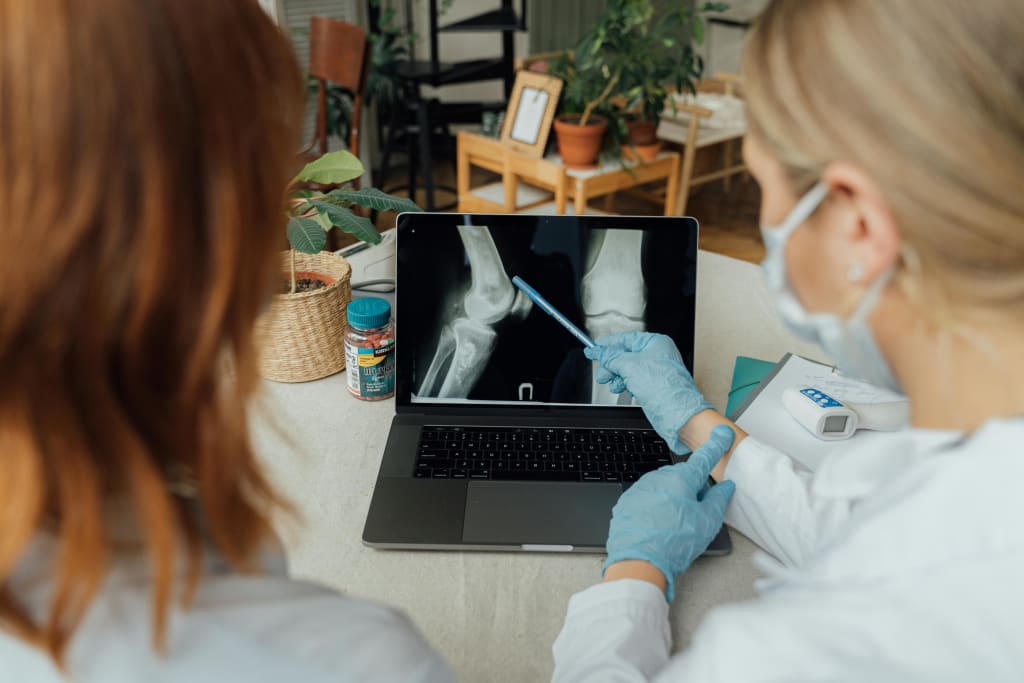
Knee pain can significantly impact mobility and quality of life, often leading to the need for knee replacement surgery. While total knee replacement (TKR) is widely known, partial knee replacement (PKR) offers a less invasive alternative that preserves more of the natural knee structure. In PKR, only the damaged compartment of the knee is replaced with an artificial implant, leaving healthy areas untouched. This procedure is ideal for individuals with localized arthritis or injury.
Candidates for partial knee replacement typically have arthritis in one knee compartment, experience chronic pain, and haven't responded to non-surgical treatments. They also maintain good knee motion and ligament stability. PKR is often recommended for patients with osteoarthritis, post-traumatic arthritis, or avascular necrosis.
For a thorough evaluation and personalized treatment plan, consulting with the best orthopedic doctor in Nagpur is essential. A skilled specialist can guide patients in determining the most suitable procedure for their condition, ensuring the best possible outcome.
In the following sections, we will explore the different types of partial knee replacement procedures in detail, including when each is recommended, the benefits, and the recovery process.
Types of Partial Knee Replacement Procedures
Partial knee replacement procedures are categorized based on which part of the knee is affected by arthritis or damage. Since the knee has three main compartments—medial (inner), lateral (outer), and patellofemoral (front, near the kneecap)—the surgery is tailored to replace only the damaged section.
Each procedure offers unique benefits and is chosen based on the patient’s condition and severity of knee damage. The 4 types of partial knee replacement procedure are:
Medial Unicompartmental Knee Replacement
Medial Unicompartmental Knee Replacement is the most common partial knee replacement procedure, used when arthritis affects the inner (medial) compartment of the knee. The damaged cartilage and bone are removed and replaced with an artificial implant, preserving healthy tissue. This method results in faster recovery, improved knee function, and a more natural range of motion compared to total knee replacement.
Lateral Unicompartmental Knee Replacement
Lateral Unicompartmental Knee Replacement is performed when arthritis or cartilage damage affects the outer (lateral) compartment of the knee. Though less common than medial PKR, it offers similar benefits. The surgery replaces damaged cartilage with an implant, preserving healthy tissue. Patients benefit from less pain, faster recovery, and improved knee stability, making it ideal for those with strong ligaments and good alignment.
Patellofemoral Knee Replacement
Patellofemoral Knee Replacement is performed when arthritis affects the kneecap (patella) and the groove (trochlea). This procedure is ideal for patients with chronic pain in the front of the knee, especially during activities like climbing stairs or squatting. It replaces the damaged cartilage with an implant, providing pain relief and preserving natural knee function compared to total knee replacement.
Bicompartmental Knee Replacement
Bicompartmental knee replacement is performed when arthritis affects two compartments, typically the medial and patellofemoral or lateral and patellofemoral areas. This less common procedure replaces the damaged sections while preserving healthy tissue. It offers better mobility, quicker recovery, and a more natural feel compared to total knee replacement, making it ideal for patients with localized arthritis in two compartments.
Benefits and Risks of Partial Knee Replacement
A partial knee replacement procedure offers several advantages over total knee replacement. Since only the damaged portion is replaced, patients retain more of their natural knee, leading to better mobility, quicker recovery, and less post-surgical pain. The surgery is also less invasive, resulting in a lower risk of complications and a more natural knee function.
However, PKR is not suitable for everyone. Risks include implant failure, progression of arthritis in other compartments, and the possibility of needing a total knee replacement in the future. Careful patient selection is crucial for long-term success.
Recovery and Rehabilitation
Recovery after a partial knee replacement procedure is generally faster than total knee replacement. Most patients can walk with assistance within a day and return to normal activities within 3 to 6 weeks. Physical therapy plays a crucial role in strengthening the knee, improving flexibility, and ensuring proper movement.
Patients are advised to avoid high-impact activities initially but can resume low-impact exercises like walking, swimming, and cycling. Swelling and discomfort are common but improve over time. Following the doctor’s guidelines and rehabilitation plan ensures a smooth recovery and long-term success.
Conclusion
In summary, partial knee replacement procedures are a great option for individuals suffering from localized arthritis, offering quicker recovery, less pain, and improved knee function. The choice of procedure—whether medial, lateral, patellofemoral, or bicompartmental—depends on the specific condition of the knee.
For anyone considering this surgery, it’s crucial to consult an experienced orthopedic specialist. Dr. Shekhar Laghvendu is highly skilled in performing partial knee replacements and can help determine the best treatment plan tailored to your needs. With the right care and guidance, patients can return to an active and pain-free lifestyle.
About the Creator
Time to change your life.
Is it even possible for you to change your life? A lot of people, more than there should be, are unhappy with their lives. But what are they doing about it? Usually nothing. People talk about how shitty their lives are and want change, but are they not taking the actions to change?
By Jen Phillips5 days ago in Humans
The Connection Between Emotional Neglect And Mental Health In Relationships
Lack of emotional care in a relationship happens when emotional needs of one partner are constantly disregarded, discounted, or downplayed. Emotional neglect may be hidden and slow as well as it can be hard to detect as opposed to overt conflict or abuse. It can be a deficiency in emotional responsiveness, empathy, affection or significant communication. In the long run, such lack of emotional bonds may make the individuals feel unnoticed, not valued, and feel isolated in terms of their emotions, yet they are still physically in the relationship.
By Robert Smith5 days ago in Humans
Why Black History Matters in America?
The United States of America is celebrating their 250th anniversary in 2026. I'm proud to be an American and as someone who was born here, I wouldn't imagine myself living anywhere else. This is a country where opportunities are possible. Where anyone can be successful in anything they desire to do. Equality, community, and togetherness are the backbones of what America is and should be about. However, we have an administration who wants to erase and disregard those who have made positive, meaningful impacts in our country, specifically Black figures, such as Martin Luther King, Jr., Rosa Parks, and Maya Angelou. President Trump and his administration have been constantly complaining and fighting against what they call the "Woke agenda". They use this excuse as a distraction from other issues they refuse to address, such as the high cost of living, climate change, and inflation. That equality is dividing America, when in reality, it's bringing us together. Being woke is not tied to a specific political party. No matter where you stand on the political spectrum, you can still care about other people and their plights. Compassion and empathy for others isn't tied to a political party, either. We were taught as children to treat others the way we want to be treated and not judge others because they're different from us. Caring about others isn't a personal attack on your beliefs. It doesn't make you any less of a person. People who are easily offended over African American figures, past or present, or anything related to it, are grasping at straws. Current and future generations need to know who people like Harriet Tubman and Shirley Chisholm were, especially in the classroom. Black History is part of American History. It should be recognized, not hidden or forgotten. Besides, you can't shield children from everything, just because your feelings are easily hurt.
By Mark Wesley Pritchard 4 days ago in The Swamp


Comments
There are no comments for this story
Be the first to respond and start the conversation.