
The Dentist’s Role in Fixing Chronic Bad Breath
Fixing Chronic Bad Breath

Why Fresh Breath is Essential
Imagine walking into a meeting or spending time with loved ones only to feel self-conscious about your breath. Chronic bad breath, also known as halitosis, is a problem that affects nearly 50% of adults globally, making it a widespread yet often ignored issue. Persistent bad breath isn’t just embarrassing; it can also be a warning sign of underlying oral or systemic health concerns. For residents of Texas, expert services like Cypress dental and pediatric dentistry in Cypress, TX offer targeted solutions to address and resolve this condition.
This article explores the causes, effects, and treatment options for chronic bad breath, empowering readers with knowledge to regain their confidence and oral health. Whether caused by lifestyle choices, poor oral hygiene, or medical conditions, halitosis can often be managed effectively with the help of a trusted dentist.
What is Chronic Bad Breath?
Chronic bad breath is different from the occasional unpleasant odors caused by eating pungent foods like garlic or onions. This condition lingers even after brushing, flossing, or rinsing with mouthwash. Symptoms may include a persistent foul odor, a metallic taste in the mouth, dry mouth (xerostomia), and a white coating on the tongue.
The primary causes of halitosis are varied and often interrelated. Oral health issues such as plaque buildup and gum disease are leading culprits. Uncleaned food particles break down over time, releasing odor-causing gases, while gum disease can create deep pockets in the gums where bacteria thrive. Dry mouth, a condition where saliva production is insufficient, is another common cause. Without adequate saliva to cleanse the mouth, bacteria can multiply unchecked.
Other contributors to halitosis include lifestyle habits like smoking and the consumption of alcohol or sugary foods. Even certain diets, such as low-carb plans, can lead to "keto breath," a byproduct of ketone production. In some cases, chronic bad breath may indicate systemic health issues like diabetes, sinus infections, or gastrointestinal disorders.
The Science Behind Bad Breath
Chronic halitosis is closely tied to volatile sulfur compounds (VSCs), gases released by bacteria as they break down food particles or dead cells in the mouth. Studies show that 85% of halitosis cases originate from the mouth itself. Dry mouth exacerbates the issue, as saliva production decreases by up to 50% during sleep, which explains the phenomenon of morning breath. Smokers are also at higher risk, being three times more likely to develop halitosis due to reduced saliva flow and an increased likelihood of gum disease.
How Dentists Diagnose Chronic Bad Breath
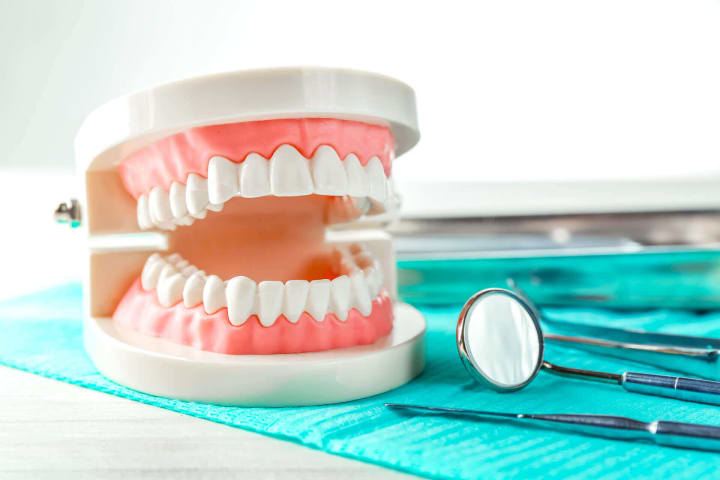
Dentists play a pivotal role in diagnosing and addressing chronic bad breath. The process begins with a comprehensive oral examination to identify issues such as cavities, gum inflammation, or plaque buildup. A dentist may also evaluate the tongue’s surface for bacterial accumulation and test saliva production to determine if dry mouth is a factor.
For more precise diagnosis, specialized tools like the Halimeter, which measures volatile sulfur compounds, or microbial cultures, which identify specific odor-causing bacteria, may be used. Dental imaging tools such as X-rays can reveal hidden infections or abscesses that contribute to halitosis.
Treatment Options for Chronic Bad Breath
Treating halitosis effectively requires addressing its root causes. Professional dental cleanings can remove plaque and tartar buildup that harbor odor-causing bacteria. Scaling and root planing, a deep cleaning procedure, targets areas beneath the gumline where plaque often accumulates.
Gum disease, a significant contributor to halitosis, may require additional treatments such as antibiotic therapy to eliminate bacteria in periodontal pockets or laser therapy to remove infected tissue. For those suffering from dry mouth, dentists might recommend sugar-free gum or lozenges to stimulate saliva production, along with prescription medications like pilocarpine.
Lifestyle adjustments also play a vital role in managing bad breath. Quitting smoking, reducing alcohol consumption, and avoiding sugary or low-carb diets can improve both oral and overall health. In some cases, customized mouthguards designed to prevent dry mouth during sleep can be an effective solution.
How to Maintain Fresh Breath Daily
Good oral hygiene is the cornerstone of fresh breath. Brushing twice daily with fluoride toothpaste and a soft-bristle toothbrush is essential, as is flossing regularly to remove food particles from between teeth. Using a tongue scraper can also help eliminate bacteria from the tongue’s surface.
Staying hydrated is another key factor in maintaining fresh breath. Drinking at least eight glasses of water daily helps prevent dry mouth, while limiting caffeinated or sugary drinks can reduce dehydration. Diet also plays a role; incorporating fibrous fruits and vegetables like apples and carrots into meals can naturally clean teeth and freshen breath.
Regular dental checkups are crucial for preventing halitosis and maintaining oral health. Visiting Cypress dental every six months for professional cleanings and examinations ensures any underlying issues are addressed promptly.
The Role of Pediatric Dentistry in Addressing Halitosis in Children
Children are not immune to the effects of chronic bad breath. Poor oral hygiene, untreated cavities, and habits like thumb-sucking can all contribute to halitosis in younger patients. Pediatric dentistry in Cypress, TX focuses on educating children about proper oral care while addressing specific issues that may arise. By establishing good dental habits early, parents can ensure their children enjoy healthy, fresh-smelling smiles for years to come.
Why Choose Cypress Dental for Halitosis Treatment?
Residents of Texas seeking expert care for chronic bad breath can trust the professionals at Cypress dental. Their team offers personalized care using advanced diagnostic tools, such as Halimeter testing, to identify and treat the root causes of halitosis. Whether for adults or children, their compassionate, patient-centered approach ensures effective and lasting results.
FAQs About Chronic Bad Breath
What should I do if bad breath persists despite brushing?
Visit a dentist to check for underlying issues like gum disease, dry mouth, or tooth decay.
Can children suffer from chronic bad breath?
Yes, poor oral hygiene or untreated cavities can cause halitosis in children. Pediatric dentists can help address this.
Are there specific foods that prevent bad breath?
Crunchy fruits and vegetables, like apples and carrots, can naturally clean your teeth and freshen your breath.
How often should I replace my toothbrush?
Replace your toothbrush every 3–4 months or sooner if the bristles fray.
Can mouthwash cure chronic bad breath?
Mouthwash provides temporary relief but doesn’t address underlying causes like gum disease or cavities.
Conclusion
Chronic bad breath is more than a social inconvenience; it’s often a sign of deeper health issues that require professional attention. By visiting a trusted dentist like those at Cypress dental or seeking expert care through pediatric dentistry in Cypress, TX, you can effectively address the root causes of halitosis and maintain fresh breath and good oral health. Take the first step today to regain your confidence and improve your quality of life.
About the Creator
johnsonray90
Discover the top 2024 free backlinks sites and best marketing blogs for learning digital marketing on Digital Mix's website.
Keep reading
More stories from johnsonray90 and writers in Humans and other communities.
The Future of Backlinks: Predictions for the Next Decade
Summary Backlinks remain the backbone of SEO, but their future is rapidly evolving. This article dives into the exciting predictions for the next decade of backlinking, exploring trends, technological advancements, and strategies to stay ahead. With engaging storytelling, credible data, and actionable insights, readers will learn how to adapt to the changing landscape of SEO. Topics include the impact of AI, the rise of top USA local citations sites, and the growing importance of high-quality article submission sites.
By johnsonray90about a year ago in Lifehack
Autonomy Is The Real Privilege
Good morning, freedom-seekers! Today we’re gonna be looking at autonomy. A strange word, I know; one many would probably look at blankly and run away from on sight. We’re gonna figure out what it actually means, consider how it’s achieved, and decipher just how deeply most of us are tangled up in dependence without realising it.
By That ‘Freedom’ Guy7 days ago in Humans
Alex de Minaur and the Quiet Power of Relentless Tennis
Some athletes shout their arrival. Others arrive quietly, carrying discipline instead of noise. Alex de Minaur belongs to the second kind. Watching him play feels like witnessing persistence take a physical form. There is no unnecessary drama, no demand for attention. Just movement, effort, and an almost stubborn refusal to give up a point. His story pulls people in because it feels human. He is not built like a giant, nor does he rely on raw force. Yet he keeps standing toe to toe with the best in the world. This article explores how Alex de Minaur built his career through consistency, mental strength, and an honest relationship with hard work. It is a story about patience, pressure, and choosing effort every single day.
By Muqadas khanabout 6 hours ago in Humans




Comments
There are no comments for this story
Be the first to respond and start the conversation.