
The Decade That Refuses to Die
How the ’90s Became the Eternal Present

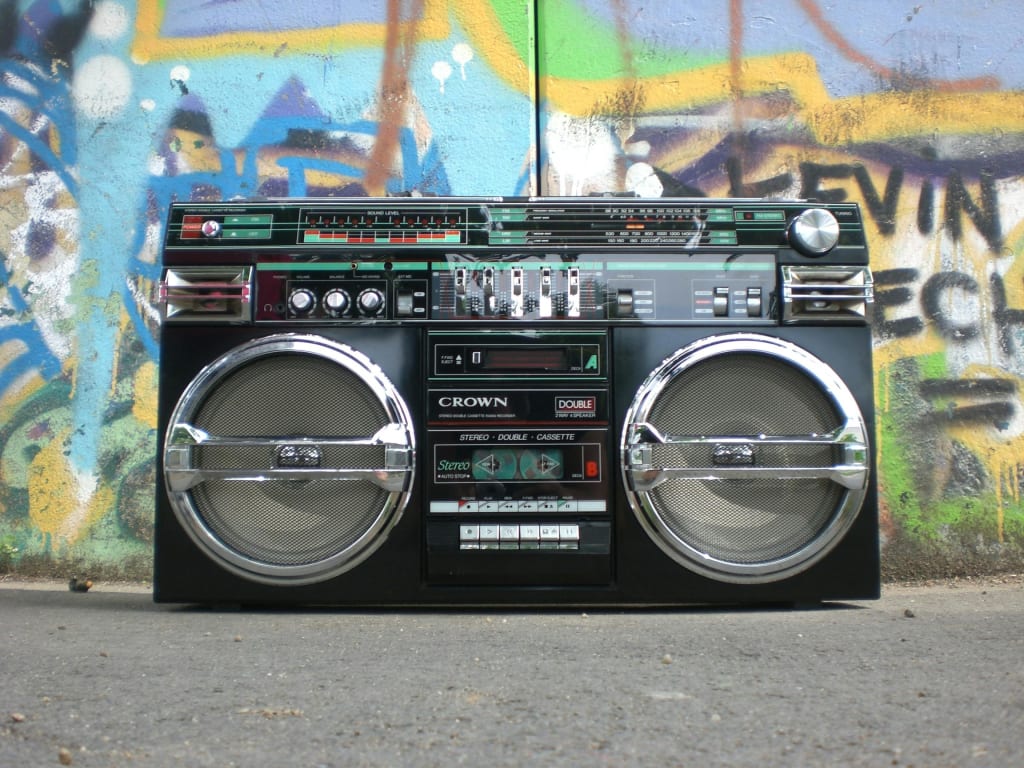
In a Los Angeles recording studio, a 22-year-old artist adjusts her headphones while checking the mix for the third time. She’s wearing chunky platform sneakers that would have been the height of cool in 1995 and a vintage Nirvana tee picked up on Depop.
The track she’s recording samples a grunge anthem from three decades ago. Her outfit channels the aesthetic of a time she never lived. Her target audience—Gen Z—is driving 2025’s most unexpected cultural phenomenon: the full-scale resurrection of the 1990s.
Which, let’s be honest, would have made Kurt Cobain laugh. Or at least write a ruthlessly sarcastic song about it.
This isn’t nostalgia as we used to know it. It’s temporal colonization for commercial ends and, apparently, with extraordinary results in the global market.
Vinyl as a Self-Fulfilling Prophecy
Vinyl sales have grown for 18 consecutive years, turning a seemingly obsolete format into the most tangible symbol of this temporal revival.
According to Wikipedia, the “vinyl revival” has shown steady growth since 2007. The RIAA reported that in 2022 vinyl revenues rose 17 percent to $1.2 billion and, for the first time since 1987, vinyl outsold CDs in units (41 million vs. 33 million). In 2023 the pattern held: 43 million vs. 37 million, $1.4 billion in revenue, and 71 percent of all physical-format income.
This means people are actively paying more money for less convenience to listen to music in a format that requires physically getting up to flip the record.
If that isn’t militant nostalgia, we don’t know what is.
The phenomenon goes beyond the anecdotal. According to IFPI and industry consultants, vinyl’s growth is expected to continue over the next decade even as other physical formats contract. Millennials collect records like their parents collected CDs, while Gen Z—according to cultural observers—buys vinyl as an existential statement.
The paradox is delicious: a generation raised on Spotify is funding the resurrection of one of the least convenient technologies ever invented for music playback.
The Algorithms’ Digital Archaeology
Nostalgia’s math has traditionally followed the “20-year rule”: cultural trends return to relevance roughly two decades after their original moment.
But today’s ’90s revival blows that timeline apart.
Instead of peaking neatly around 2010–2015, this resurrection has intensified in the mid-2020s, driven by forces absent from earlier nostalgia cycles: algorithms that ignore chronology and influencers who unearth bands like digital archaeologists.
TikTok has radically democratized cultural curation. Nineteen-year-old creators introduce millions of followers to bands, fashion trends, and aesthetic choices from decades before they were born. The platform has become a time machine run by teenagers with unlimited access to cultural history.
The clearest example: Kate Bush’s “Running Up That Hill” surged massively thanks to “Stranger Things”, catapulting a 1985 song back onto global charts in 2022. Streaming doesn’t respect timelines. To the algorithm, every year is year zero.
According to analysts and brands, nostalgic content often generates consistently higher engagement than contemporary content. Authenticity, apparently, has an inverse expiration date: the older it is, the more “real” it feels.
Nostalgia as an MBA
In corporate offices around the world, marketing teams study nostalgia patterns with the meticulousness of behavioral scientists.
Except instead of curing cancer, they’re trying to figure out why a $15 choker can generate more engagement than a million-dollar campaign.
Brands have responded with surgical precision. Rhode, Hailey Bieber’s beauty brand, is frequently cited for campaigns that blend “’90s supermodel meets Gen Z”, generating substantial engagement. Adidas has capitalized on the phenomenon with its terrace shoes (Samba, Gazelle). According to Bernstein estimates reported by Reuters, these could contribute around €1.5 billion in 2024 (about 7 percent of revenue), boosted by collaborations like Wales Bonner.
Because apparently nothing sells better than the promise of looking like someone from a time before Instagram filters existed.
Hellmann’s produced one of the most talked-about nostalgia plays when it brought back Meg Ryan and Billy Crystal to recreate the iconic diner scene from “When Harry Met Sally”, with a mayo-centric twist.
Because nothing says “cinematic romance” like sandwich condiments, apparently.
As The Robin Report notes, citing Stephanie Harlow of GWI, “Nostalgia allows lifestyle brands to connect emotionally with their audience. It can offer a powerful escape when morale is low by evoking cherished memories, a sense of comfort, or familiarity”.
Research indicates that nostalgic feelings can increase consumer spending by up to 17 percent. Nostalgia literally pays the bills.
In other words, when the world feels like a mess, you can always comfort yourself by buying things that remind you of when you were too young to notice it was a mess already.
Aesthetics as Political Philosophy
In fashion, the ’90s revival has moved beyond imitation to become something more complex: a philosophical statement told through clothes.
Available data shows sustained interest in ’90s fashion. Searches related to “’90s fashion”, “vintage clothing”, and similar terms have shown consistent spikes, particularly around periods like New York Fashion Week.
What’s emerging, however, isn’t a faithful copy of the past—it’s a reinvention that would have baffled a teenager in 1995.
Slip dresses, ’90s icons of minimalist elegance, now pair with oversized flannels or graphic tees. The result is a look that is simultaneously minimalist and maximalist, elegant and grunge.
Chokers have enjoyed a particular resurgence, fueled by social visibility. Platform shoes have returned via brands like Prada and Tibi. Baggy jeans have become a recurring element in contemporary collections, seen on celebrities like Kendall Jenner.
This careful curation reveals something about how we process cultural history: what was once ordinary becomes iconic with enough temporal distance.
The ’90s retro market is experiencing steady growth, driven by Gen Z’s disposable income and the virality of social media.
’90s fashion in 2025 understands something its original version didn’t know it needed to know: nostalgia works best when it doesn’t take itself too seriously.
The Soundtrack of Circular Time
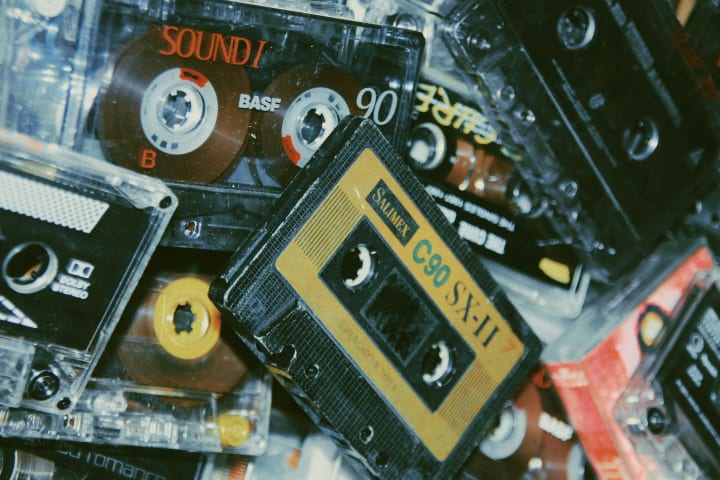
If fashion provides the visual surface of the ’90s revival, music provides its emotional score.
Here’s where it gets truly meta: contemporary artists aren’t simply copying ’90s sounds—they’re mining the era for emotional textures that resonate with modern audiences.
Pop-punk has staged a notable comeback. As a 2025 Envato music-trends report puts it, “Pop-punk is back, baby. If you’ve been longing for the days of angsty lyrics and power chords, 2025 is your year. Bands like Blink-182, Sum 41, and Avril Lavigne are already leading the resurgence, releasing new music and bringing back the sound that defined a generation”.
Artists like Olivia Rodrigo and Machine Gun Kelly are giving the genre a fresh spin that blends classic adolescent angst with contemporary sensibilities.
But the phenomenon goes beyond mere genre revival.
When Jack Harlow samples Fergie’s “Glamorous” on “First Class”, the outcome isn’t nostalgic plagiarism but an intergenerational conversation. The Weeknd makes “Blinding Lights” feel like it belongs in an ’80s movie montage. Dua Lipa turns “Levitating” into Studio 54 for the Spotify era.
TikTok has turned songs from decades past into the soundtrack of 15-second videos, introducing vintage music to new audiences in ways that would have seemed impossible in the pre-digital age.
It’s as if we’ve figured out how to make time run both ways.
Streaming data shows increasingly frequent spikes for ’90s songs on global charts, not because of anniversaries or commemorations but because of algorithmic rediscoveries.
The Analog Paradox
Perhaps the most delightful irony of the ’90s revival is how a digitally native generation is embracing “obsolete” tech with convert-level dedication.
The resurgence of flip phones, instant cameras, and vinyl isn’t technophobia—it’s intentional limitation.
These single-purpose devices offer freedom from endless notifications and smartphone multitasking, creating more mindful, present-tense experiences.
A record demands your full attention in ways Spotify never will. You have to get up to flip the side. You commit to a full album. You read the liner notes. It’s involuntary meditation disguised as music consumption.
The search for tactile experiences has its annual liturgy: Record Store Day celebrated its 18th edition on April 12, 2025, with 270-plus shops in the U.K. and thousands worldwide. On that day, stores roll out exclusive releases and events to draw music lovers in.
It turns out shopping can feel meaningful—if you do it slowly enough.
The phenomenon reflects a broader search for authenticity in a digitally saturated world. Young people aren’t rejecting modern technology, but they are curating which technologies they allow into their lives.
Why It Matters: Building a Temporal Identity
What makes this revival particularly fascinating is its multigenerational nature.
It isn’t just millennials nostalgic for their teens—Gen Z is embracing a time they never lived but perceive as more authentic than their digital present.
GWI notes that 15 percent of Gen Z prefers thinking about the past over the future (14 percent among millennials), which helps explain the magnetic pull of ’90s aesthetics. A generation is finding emotional refuge in a decade they perceive as simpler, even if it wasn’t.
As Stephanie Harlow of GWI observes, quoted in The Robin Report, “Gen Z has a particular interest in the ’90s, which represents a period before social media’s presence and a world seemingly unburdened by complex issues like the cost of living, climate, or the mental-health crises reported by the media”.
It’s a devastatingly accurate observation.
According to GWI, 59 percent of millennials appreciate when brands use retro ads or logos, highlighting nostalgia’s broad, cross-generational appeal.
The ’90s revival works because it offers something the present can’t: the illusion of simplicity in a world that feels extraordinarily complex.
The nineties have become the default emotional refuge for a generation that grew up amid constant crises—recessions, pandemics, climate anxiety, political instability.
The Perpetual Present
The true brilliance of the ’90s revival isn’t that it brought the past back. It’s that it created an expanded present where multiple decades coexist without conflict.
For a generation raised with instant access to all of human history, this temporal fluidity isn’t confusion—it’s liberation.
The ’90s haven’t returned because they never really left. In the digital era, all eras are simultaneous, all aesthetics are available, and all identities are possible.
Gen Z has simply recognized what the rest of us are beginning to understand: time—like fashion and TikTok’s algorithm—is fundamentally circular.
In this expanded temporal loop, the decade that was supposed to have ended 25 years ago may well be just beginning.
Which means all those CDs you tossed in 2005 were probably worth a small fortune. But don’t worry. In 20 years, when Gen Alpha discovers nostalgia for the 2020s, you’ll probably be able to sell your pandemic masks as vintage fashion.
The past, as always, gets the last word. And that word, apparently, is “Told you so”.
What ’90s artifact have you rediscovered in 2025 — the Sunday vinyl ritual, a reinvented grunge aesthetic, or simply the satisfaction of jeans that actually fit? More importantly, do you think we’re living in the best of all eras at once, or is this just nostalgia with very smart marketing?
Share your ’90s object or memory in the comments and tell us why you returned to it in this decade.
About the Creator
DramaT
Defective survival manual: confessions, blunders, and culture without solemnity. If you’re looking for gurus, turn right; if you’re here for awkward laughs, come on in.
Find more stories on my Substack → dramatwriter.substack.com


Comments
There are no comments for this story
Be the first to respond and start the conversation.