
The Dangers of Electoral Malpractices and Rigging
Undermining Democracy and Citizen Trust

Introduction:
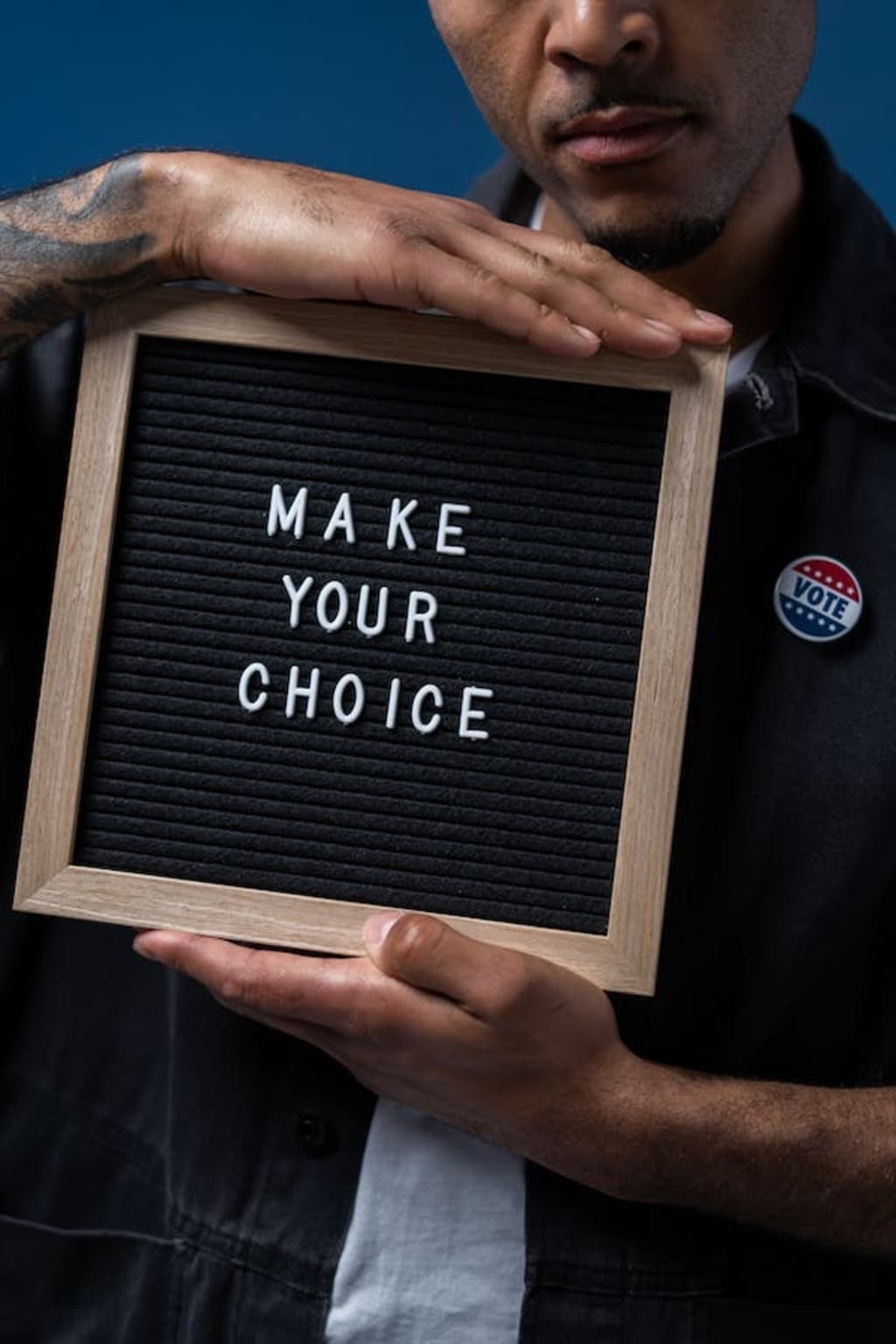
Electoral malpractices and rigging pose significant threats to the integrity of democratic processes worldwide. When elections are marred by manipulation, fraud, or irregularities, the very foundation of democracy is undermined. In this article, we delve into the ills of electoral malpractices and rigging, highlighting their detrimental effects on democratic systems and the erosion of citizen trust.
I. Undermining Democratic Values:
Electoral malpractices and rigging strike at the core of democratic principles such as fairness, equality, and representation. By distorting the will of the people, these practices erode trust in democratic institutions and hinder the ability of citizens to exercise their political rights. When the voice of the people is silenced or manipulated, the legitimacy of the entire democratic system is called into question.
II. Diminishing Citizen Participation:
When citizens witness widespread electoral malpractices and rigging, they may lose faith in the democratic process and become disillusioned. This disillusionment can lead to voter apathy and a decline in citizen participation. When people perceive that their votes do not count or that the system is rigged against their interests, they may be discouraged from engaging in future elections, further weakening the democratic fabric of a nation.
III. Weakening Trust in Institutions:
Electoral malpractices and rigging erode trust in key democratic institutions, such as election commissions, political parties, and the judiciary. When these institutions are seen as complicit in or unable to prevent electoral irregularities, public trust erodes, leading to a crisis of confidence in the entire democratic system. Restoring trust in these institutions is essential for rebuilding faith in democracy and ensuring effective governance.
IV. Exacerbating Social and Political Divisions:
Electoral malpractices and rigging can intensify social and political divisions within a society. When election outcomes are perceived as illegitimate, it can lead to heightened tensions, protests, and even violence. The erosion of trust in the electoral process can deepen existing divisions, polarize communities, and threaten social cohesion. In fragile democracies, these divisions can have far-reaching consequences, undermining stability and hindering social progress.
V. Curbing Genuine Representation:
Fair and transparent elections are critical for ensuring that elected representatives genuinely reflect the will of the people. When electoral malpractices and rigging occur, the voices of citizens are silenced, and authentic representation is compromised. This leads to a disconnect between the governed and those in power, hindering effective policy-making and inhibiting the pursuit of the common good.
VI. Striving for Electoral Integrity:
To combat electoral malpractices and rigging, it is essential to prioritize electoral integrity. This involves implementing robust electoral laws, ensuring transparency in voter registration and ballot counting processes, and promoting independent oversight and monitoring of elections. International organizations and civil society play a crucial role in supporting democratic processes and advocating for fair and free elections.
The cornerstone of any democratic system lies in the principle of respecting the people's mandate. When citizens exercise their right to vote, they express their collective will, entrusting leaders with the responsibility of governing on their behalf. Respecting the people's mandate is not only a moral imperative but also a fundamental requirement for upholding the democratic principles of fairness, representation, and accountability.
The people's mandate reflects the voice of the electorate, representing the culmination of their hopes, concerns, and aspirations. By respecting the outcome of an election, leaders demonstrate a deep respect for the democratic process and the sovereignty of the people. It serves as a powerful affirmation of the trust and confidence placed in them by their constituents.
Respecting the people's mandate is essential for maintaining the legitimacy of the elected government. When leaders honor the will of the people, they reinforce the belief that their authority stems from the consent of the governed. This fosters a sense of ownership and participation among citizens, promoting social cohesion and strengthening the democratic fabric of a nation.
Furthermore, respecting the people's mandate ensures that elected representatives act in the best interests of the public. It holds leaders accountable to fulfill their campaign promises, address pressing issues, and govern in a transparent and responsible manner. By doing so, leaders uphold the social contract between the governed and those in power, reaffirming the mutual trust and shared responsibility at the heart of democracy.
In a world where democratic values are under constant scrutiny, respecting the people's mandate is not just a legal or procedural requirement; it is a moral imperative that upholds the principles of equality, justice, and popular sovereignty. It is a testament to the belief that power ultimately lies with the people and that their collective voice should guide the course of governance.
Conclusion:
Electoral malpractices and rigging pose significant dangers to democratic systems, undermining citizen trust, participation, and representation. The impact of these ills reverberates throughout society, weakening institutions, exacerbating divisions, and impeding progress. To safeguard democracy, there must be a collective commitment to promoting electoral integrity, ensuring transparent and fair elections, and holding accountable those responsible for electoral malpractices. By upholding the principles of democracy, we can foster a society where citizens' voices are heard, their rights are protected, and the democratic ideal thrives.
About the Creator
FELIX Olikagu
Captivating storyteller and compassionate wordsmith. Join me on a journey through the power of words, as we explore diverse topics with depth, creativity as it concerns Health issues, Environment, Emotions, and a touch of magic. Explore!
Keep reading
More stories from FELIX Olikagu and writers in Humans and other communities.
Stress and Its Management
Introduction: In today's fast-paced and demanding world, stress has become an unwelcome companion in many people's lives. From the pressures of work and personal relationships to financial challenges and societal expectations, stress can significantly impact our mental, emotional, and physical well-being. However, stress is not an insurmountable force. With the right understanding and tools, we can effectively manage and reduce stress, leading to a healthier and more fulfilling life. In this article, we will explore the nature of stress, its effects on our mind and body, and practical strategies for stress management that promote resilience and well-being.
By FELIX Olikagu3 years ago in Humans
Lessons In Love Teach Compassion Communication And Emotional Awareness Daily
Love is an issue that teaches people the necessity to be compassionate, meaning to understand and sympathize with the feelings of a partner. Compassion enables people to act rationally instead of acting on the spur of the moment, which bolsters the emotion connection. Trust and intimacy are built upon little gestures of kindness, tolerance when in conflict, and the ability to appreciate in the fight.
By Robert Smithabout 12 hours ago in Humans



Comments
There are no comments for this story
Be the first to respond and start the conversation.