
The Dangers of Education Budget Cuts in Developing Countries
A Socioeconomic Perspective

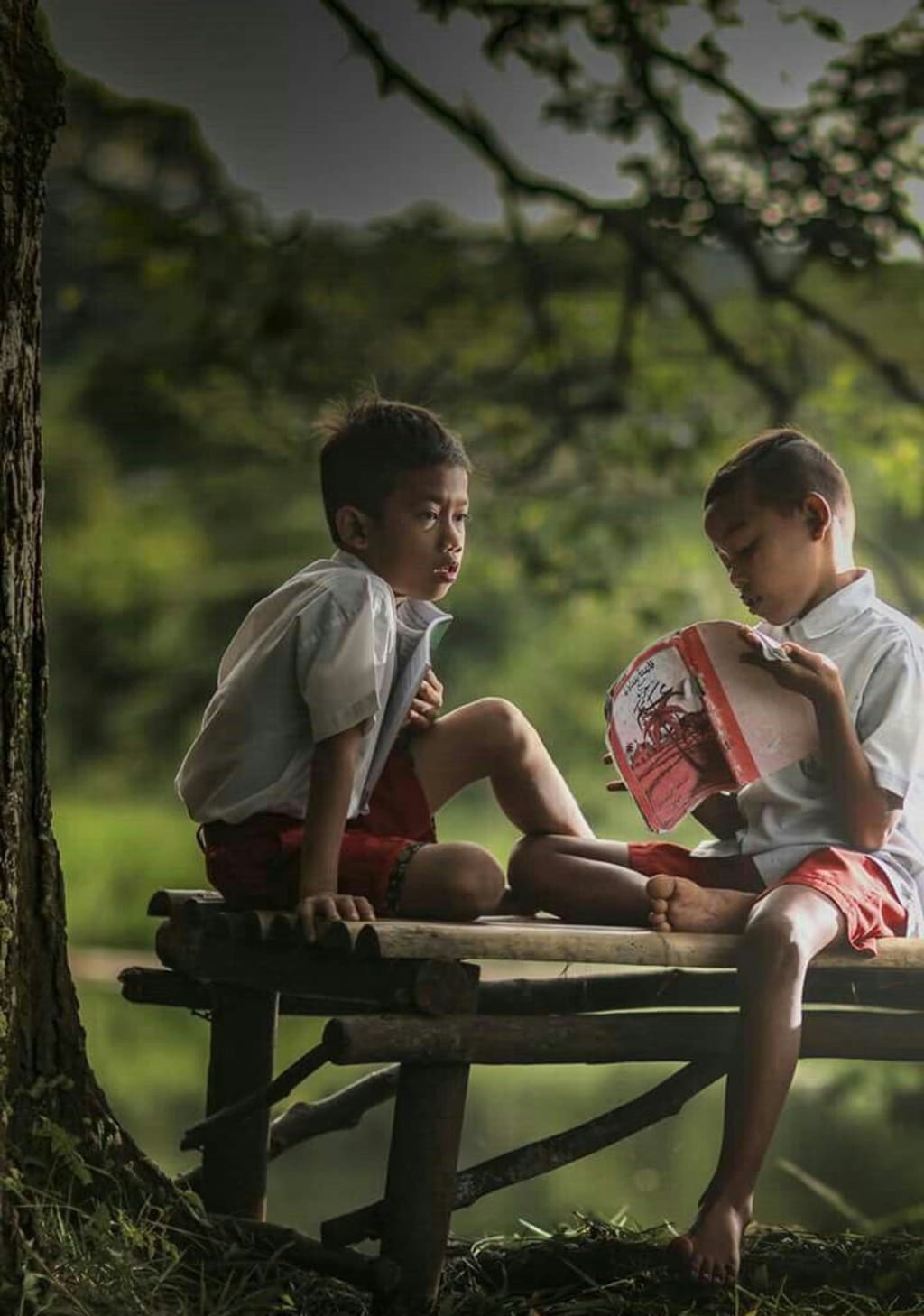
Education is the foundation of national progress, particularly in developing countries where human capital plays a crucial role in economic and social advancement. However, when financial crises hit, many governments resort to cutting education budgets as a quick fix. While this might seem like a viable solution in the short term, the long-term consequences can be devastating.
Imagine a young girl in a rural village, eager to learn and chase her dreams. She wakes up every morning, hoping to attend school, but finds that her local school has shut down due to a lack of funding. Her family, struggling to make ends meet, cannot afford private education. She is left with no choice but to abandon her studies and work to support her household. This story is not unique—it is the reality faced by millions of children in developing nations when education budgets are slashed.
The Social and Cultural Consequences of Education Budget Cuts
When education funding is cut, one of the first casualties is literacy. Schools struggle to afford basic materials, pay teachers, and maintain infrastructure. This directly affects children who are unable to access quality education, leading to increased illiteracy rates. The consequences ripple through generations, limiting job opportunities and perpetuating poverty.
As school fees rise due to reduced government subsidies, many families find it difficult to keep their children in school. In nations where poverty is already widespread, children are forced to drop out and work to support their families. This leads to a vicious cycle of economic hardship, where education—once a beacon of hope—becomes a luxury rather than a necessity.
Education is not just about reading and writing; it is also a vessel for preserving cultural heritage. Budget cuts often lead to the removal of subjects like history, literature, and indigenous knowledge, weakening national identity. Over time, young generations lose touch with their roots, leading to cultural erosion.
Moreover, a lack of education often correlates with an increase in crime rates. When young people are deprived of learning opportunities, they become more vulnerable to engaging in illegal activities such as drug trafficking, theft, and violence. As a result, governments end up spending more on law enforcement instead of investing in preventive educational measures.
Economic Implications of Education Budget Cuts
A nation’s workforce is only as strong as its education system. When education budgets are slashed, fewer skilled workers enter the job market, leading to decreased productivity and innovation. Without proper education, securing well-paying jobs becomes an uphill battle, slowing economic progress and reducing a nation’s global competitiveness.
Education is also a powerful tool for bridging the gap between the rich and the poor. When quality education becomes a privilege for the wealthy, social mobility decreases, and the income divide widens. The result is a society where the wealthy continue to prosper while the poor remain trapped in cycles of economic hardship.
Furthermore, countries that invest in education tend to experience higher economic growth rates. In contrast, nations that cut education budgets weaken their economic foundations, limiting industrial productivity and innovation. Over time, these nations may struggle to compete in emerging industries, leading to economic stagnation and increased poverty rates.
Additionally, developing countries already rely heavily on foreign aid for various sectors, including education. Budget cuts force governments to depend even more on international assistance, which often comes with conditions. This reliance reduces national sovereignty and limits a country’s ability to independently shape its education policies.
The Long-Term Repercussions and Possible Solutions
If education budget cuts continue, the future of developing nations looks bleak. The negative impacts extend beyond individuals and families; they affect national stability, economic resilience, and international standing. Without a well-educated population, these countries risk falling further behind in the global economy, making it even harder to recover from financial struggles.
However, there are solutions. Governments must recognize education as an investment rather than an expense. Prioritizing education in national budgets ensures sustainable funding. Encouraging public-private partnerships can also supplement government funding and improve educational resources. International organizations such as UNESCO and the World Bank offer financial aid for education initiatives, which governments can utilize to mitigate budget shortfalls.
Efficient resource management is crucial—reducing corruption and mismanagement in education funding maximizes the effectiveness of available resources. Additionally, embracing digital learning solutions can help bridge accessibility gaps, particularly in remote areas.
Conclusion
The dangers of education budget cuts in developing countries cannot be overstated. The effects extend beyond classrooms and textbooks, influencing literacy rates, economic growth, cultural identity, and social stability. While cutting education funding may offer short-term financial relief, the long-term consequences far outweigh the immediate benefits.
Imagine a future where every child, regardless of their financial background, has access to quality education. A future where education is not a privilege but a fundamental right. This is the vision that governments must strive for—because investing in education is not just a moral obligation; it is a strategic necessity for a brighter, more prosperous future.
About the Creator
Defrida
Writing is how I create my own universe of thought. Without it, I'd vanish into the swirling depths of a black hole.
How to Plan a Trip to See Cherry Blossoms in Japan
There’s no better time than cherry blossom season in Japan if you want a magical trip. When the cherry blossoms (sakura) bloom, Japan turns into rivers of soft pink and white. You shouldn’t miss this time of the year and plan a trip to Japan.
By Travnook Travel & Tourismabout an hour ago in Humans


Comments
There are no comments for this story
Be the first to respond and start the conversation.