
Misallocated Aid
The Challenge of Social Assistance Targeting in Indonesia

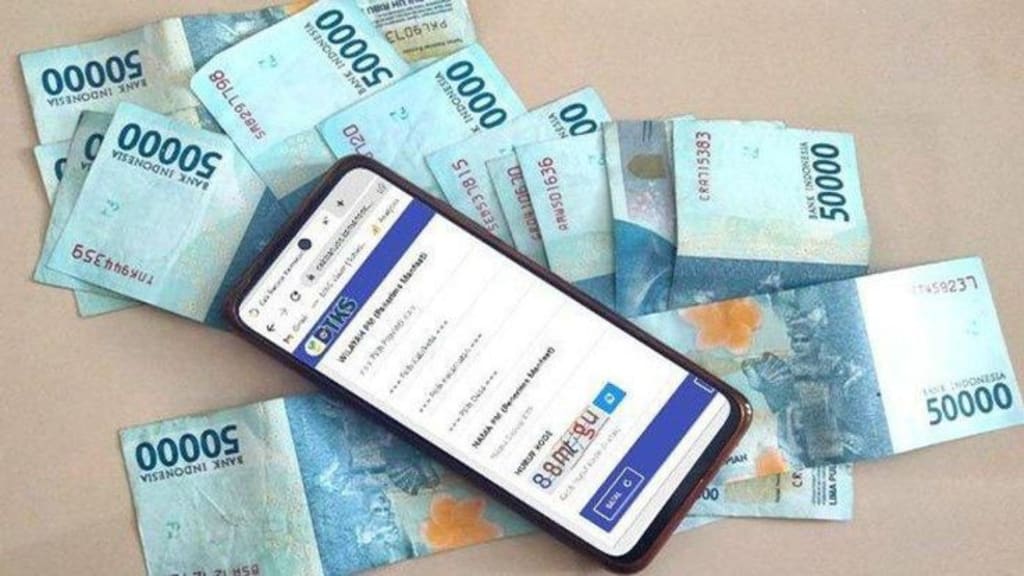
Indonesia's social assistance programs are designed to alleviate poverty and support vulnerable populations. However, challenges persist in ensuring that aid reaches those who need it most. Misallocation of resources not only undermines the effectiveness of these programs but also perpetuates cycles of poverty. Despite government efforts to improve targeting mechanisms, various structural and systemic issues continue to hinder the fair and efficient distribution of social benefits.
Challenges in Targeting Social Assistance
A significant issue in Indonesia's social assistance framework is the misidentification of beneficiaries. Studies have shown that a considerable portion of aid intended for the poorest households is either misallocated or fails to reach them entirely. Research on programs like Raskin (subsidized rice) and BLT (unconditional cash transfers) indicates that targeting accuracy has been suboptimal, with benefits often leaking to non-poor households.
A 2019 study by The SMERU Research Institute found that nearly 40% of Raskin’s subsidies were received by households that did not fall under the poverty threshold. Similarly, an analysis by The World Bank highlighted that up to 25% of BLT recipients were not classified as poor, while many eligible families were excluded from the program. This misallocation reduces the overall impact of these social assistance initiatives, ultimately failing to address the very problem they were created to solve.
One contributing factor is the reliance on outdated or inaccurate data to identify eligible households. The dynamic nature of poverty, where families may move in and out of financial hardship due to economic fluctuations, job loss, or natural disasters, necessitates regular updates to beneficiary databases. However, maintaining such updated records has proven challenging. Many social assistance programs still depend on data collected several years ago, failing to reflect current realities. The lack of a robust and up-to-date social registry means that many deserving individuals are overlooked while ineligible recipients continue to receive aid.
Community-Based Targeting: A Double-Edged Sword
Indonesia has employed community-based targeting mechanisms, leveraging local knowledge to identify beneficiaries. In theory, local governments and community leaders can provide more accurate assessments of who needs assistance. However, this approach is not without pitfalls.
Research evaluating the Program Keluarga Harapan (PKH), a conditional cash transfer initiative, revealed that local elites sometimes capture benefits, leading to the exclusion of the most deserving households. In some cases, favoritism and political influence play a role in determining who receives aid, rather than objective criteria based on economic need. A study published by The Poverty Action Lab found that elite capture significantly reduced the effectiveness of PKH in several rural areas, where powerful figures controlled distribution lists.
Further studies comparing different targeting methods found that while community-based targeting can increase satisfaction among beneficiaries—since decisions appear more transparent and locally informed—it may not always be the most effective in identifying the poorest households. Proxy Means Tests (PMTs), which use observable household characteristics such as asset ownership, education levels, and employment status to estimate income, have been shown to perform better in certain contexts. PMTs remove human bias and ensure a more data-driven approach to identifying beneficiaries. However, these methods are only as good as the data available, reinforcing the importance of an updated and centralized registry.
Towards a Unified Targeting System
To address these challenges, Indonesia has been developing a Unified Database for Social Protection Programs (UDB), aiming to consolidate data and improve targeting accuracy. The UDB seeks to create a single registry of potential beneficiaries, facilitating more accurate and cost-effective distribution of social assistance. By integrating data from multiple sources—including government agencies, local communities, and independent surveys—the UDB is expected to enhance transparency and minimize errors in beneficiary selection.
Early assessments suggest that the UDB has the potential to enhance targeting outcomes, reducing leakages and ensuring that assistance reaches those who need it most. However, challenges remain in keeping the database updated, preventing political interference, and ensuring that local governments use the system effectively. Without continuous updates and strong oversight, even the most advanced database risks becoming obsolete, repeating past mistakes in social assistance misallocation.
Another promising solution is the use of digital technology and biometric verification to improve aid distribution. Countries like India and Brazil have successfully implemented biometric-based social protection programs, reducing fraud and ensuring that only eligible recipients receive benefits. Indonesia has begun experimenting with similar approaches, using e-wallets and digital IDs to track social assistance distribution. If implemented effectively, these technological innovations could revolutionize Indonesia's social protection system, making it more efficient and less prone to corruption.
Conclusion
Ensuring that social assistance in Indonesia reaches its intended recipients remains a complex challenge. While efforts like the Unified Database for Social Protection Programs (UDB) represent significant strides toward better targeting, ongoing evaluation and adaptation are essential. Addressing data inaccuracies, mitigating elite capture, and refining targeting methodologies are key steps toward improving Indonesia’s social assistance programs.
As poverty remains a pressing issue, misallocated aid must be addressed urgently. By adopting evidence-based strategies, enhancing technological integration, and ensuring greater accountability, Indonesia can maximize the impact of social assistance programs and make meaningful progress in reducing poverty. A system that ensures aid reaches those who need it most will not only improve social welfare but also enhance public trust in government-led poverty alleviation efforts.
About the Creator
Defrida
Writing is how I create my own universe of thought. Without it, I'd vanish into the swirling depths of a black hole.
How Astrology Affects Twin Flame Attraction and Separation Cycles.
Twin flame attraction feels instant and consuming. Separation feels confusing and painful. Astrology explains why these cycles repeat. Planetary movements influence timing, emotional intensity, and personal growth. You experience pull and distance through energetic patterns reflected in birth charts and transits.
By Wilson Igbasiabout an hour ago in Humans



Comments
There are no comments for this story
Be the first to respond and start the conversation.