
The Dangerous Spread of False Information
How It Fuels Race Riots Across the UK

In recent events, the tranquil town of Southport in the north of England was rocked by violent riots sparked by misinformation spread through social media. Hundreds of individuals, incited by false claims, went on a rampage, torching vehicles, and attacking police officers. This unrest was a direct result of inflammatory posts and false narratives propagated by right-wing figures and platforms.
The Spark: A Horrific Stabbing Attack
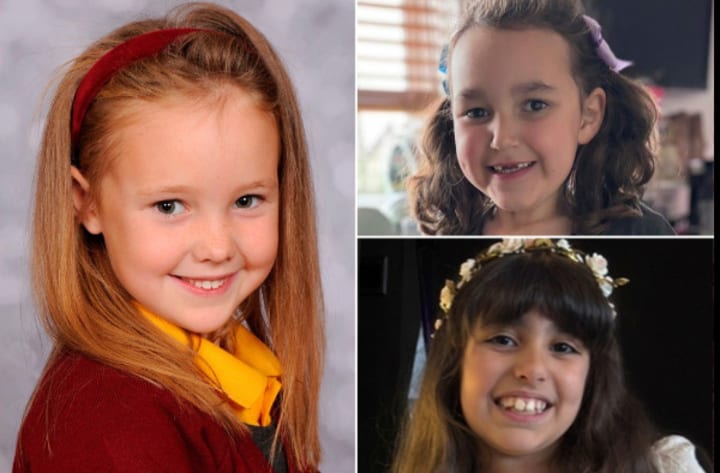
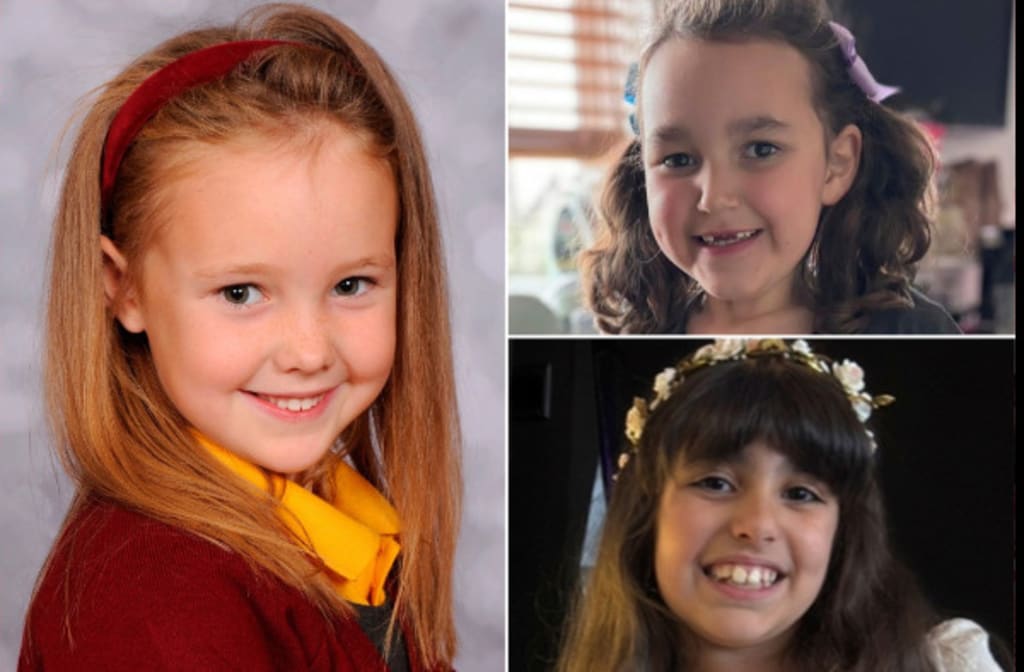
The chaos began following a tragic incident where three young girls attending a Taylor Swift dance class were brutally stabbed to death, and another eight were injured. The suspect, a 17-year-old from Cardiff, was quickly misidentified on social media as a Muslim migrant. Andrew Tate, a controversial figure with a massive following on social media, posted false claims about the attacker, describing him as an "illegal migrant" who had arrived "straight off a boat." This narrative took root quickly, inflaming public anger and leading to widespread unrest.
Tate's influence, with his 10 million followers, meant that his posts reached a vast audience almost immediately. Other right-wing figures, such as Dan Wootton and Lawrence Fox, picked up and amplified these false claims, adding fuel to the fire. Fox went as far as suggesting that the attacker was on a terror watch list, despite there being no evidence to support this. This irresponsible spreading of misinformation set the stage for the violent riots that followed.
The Role of Social Media in Spreading Misinformation
Disinformation expert Mark Owen Jones analyzed the online activity surrounding the incident and found that posts speculating about the attacker being a Muslim or migrant had garnered at least 27 million impressions. The rapid spread of these false claims illustrates the power of social media in shaping public perception, especially when leveraged by influential figures.
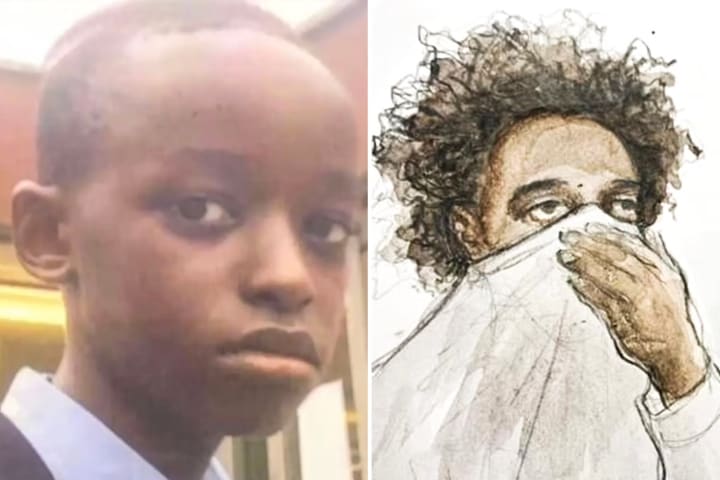
One of the most damaging aspects of this misinformation was a falsely attributed photo of the attacker, which was widely shared. This image, claimed to be of a Muslim immigrant, was actually of a different individual. The real attacker, Axel Ruda Kubana, was born in Britain to Rwandan parents and had no connection to the falsely attributed identity. Despite police efforts to clarify these facts, the damage was already done, as the false narrative had taken hold.
Consequences of Misinformation
The spread of false information led to a wave of anti-Muslim and anti-immigrant riots that spread beyond Southport to other towns and cities across the UK. In Rotherham, a violent mob smashed into a Holiday Inn housing asylum seekers and set fire to another in Tamworth. These incidents of violence and vandalism illustrate the severe consequences of unchecked misinformation.
The rioters, convinced by the false narratives, directed their anger towards Muslims and immigrants, leading to significant property damage and further inflaming racial tensions. The aftermath saw communities left in fear and distrust, highlighting the broader social impact of such events. The violence also prompted a backlash from those under attack, exacerbating divisions and creating a cycle of retribution and unrest.
The Response of Authorities
Authorities, including the police, were quick to clarify that the attacker was not a Muslim and had been diagnosed with Autism Spectrum Disorder. The real attacker, Axel Ruda Kubana, was a young man who had been struggling with mental health issues and had been withdrawn from social interaction for some time. Despite these clarifications, the false narrative had already spread too widely to be easily contained.
Police efforts to control the situation were met with significant challenges, as mobs, fueled by misinformation, were not easily swayed by official statements. The persistence of the false narrative, even in the face of contradictory evidence, underscores the difficulty authorities face in countering misinformation once it has taken hold.
The Role of Traditional Media
Traditional media also played a role in exacerbating the situation. Sensationalist headlines and unverified claims, such as those made by the Herald Sun in Australia, demonstrate how media can sometimes contribute to spreading fear and misinformation. The Herald Sun's claim about a Hamas flag at a pro-Palestine rally in Melbourne, later debunked as a misidentification, is a clear example of this issue.
The Herald Sun's story, based on a single unverified photo, was picked up and amplified by other media outlets and commentators. This led to a wave of panic and anger, demonstrating the power of media in shaping public perception. The subsequent backlash from the Islamic Council of Victoria, which called the coverage "scaremongering islamophobic nonsense," highlights the need for responsible journalism.
Closing
The events in Southport highlight the critical need for responsible reporting and the dangers of misinformation. Social media platforms and traditional media outlets must take greater care in verifying information before dissemination to prevent such violent outcomes. As seen, the spread of false information not only incites violence but also perpetuates racial and religious divisions within society.
Addressing the spread of misinformation requires a concerted effort from all stakeholders, including social media companies, media organizations, and the public. Social media platforms must implement stricter measures to detect and prevent the spread of false information, while media organizations need to adhere to higher standards of verification and responsible reporting. The public also has a role to play in critically evaluating the information they consume and share, ensuring that they do not contribute to the spread of harmful misinformation.
In conclusion, the Southport riots serve as a stark reminder of the power of misinformation to disrupt and divide communities. By working together to promote accurate information and counter false narratives, society can mitigate the risks posed by misinformation and foster a more informed and cohesive public discourse.
About the Creator
Horace Wasland
Research analyst, writer & mystical healer. Exploring the edge where science meets mystery. From mystery/the mystical, to facts, news & psychology. Follow for weekly insights on all four and please leave a tip if you like what you read :)
Keep reading
More stories from Horace Wasland and writers in Humans and other communities.
Understanding the Chaos
The UK has been engulfed in widespread riots, prompting heated discussions and various theories about the underlying causes. In a recent interview, bestselling author Douglas Murray shared his insights on the unrest, touching on topics ranging from media and police responses to the deeper societal issues at play. Here’s a breakdown of his key points and their implications.
By Horace Waslandabout a year ago in Humans
I am not alone.
Billu Bhai’s Realization Category: Human Interest / Life Lessons His real name was Bilal, but everyone in the village called him Billu Bhai. He was the eldest child in a large family, with parents, siblings, and relatives all living together. Growing up, Bilal had been quite weak, both physically and mentally. His childhood was marked by illness, which affected his ability to concentrate in school. Learning was a constant struggle, and he barely managed to complete his education up to the tenth grade. Now, at twenty-five, Bilal was hardworking, reliable, and always willing to help others. His father had given him a rickshaw, which became his source of daily income.
By Sudais Zakwan2 days ago in Humans



Comments
There are no comments for this story
Be the first to respond and start the conversation.