
The Chagos Islands: When a Military Base Was Valued More Than a People
How geopolitics, military power, and colonial legacy erased a people from their own homeland.

The world talks endlessly about human rights, sovereignty, and the end of colonialism.
Yet in the middle of the Indian Ocean lies a living contradiction.
The Chagos Islands are one of the clearest examples of how modern geopolitics still chooses power over people .. quietly, efficiently, and with legal language softening what was, in truth, an act of forced erasure.
This is not a forgotten story.
It is a buried one.
A Remote Paradise With Strategic Value
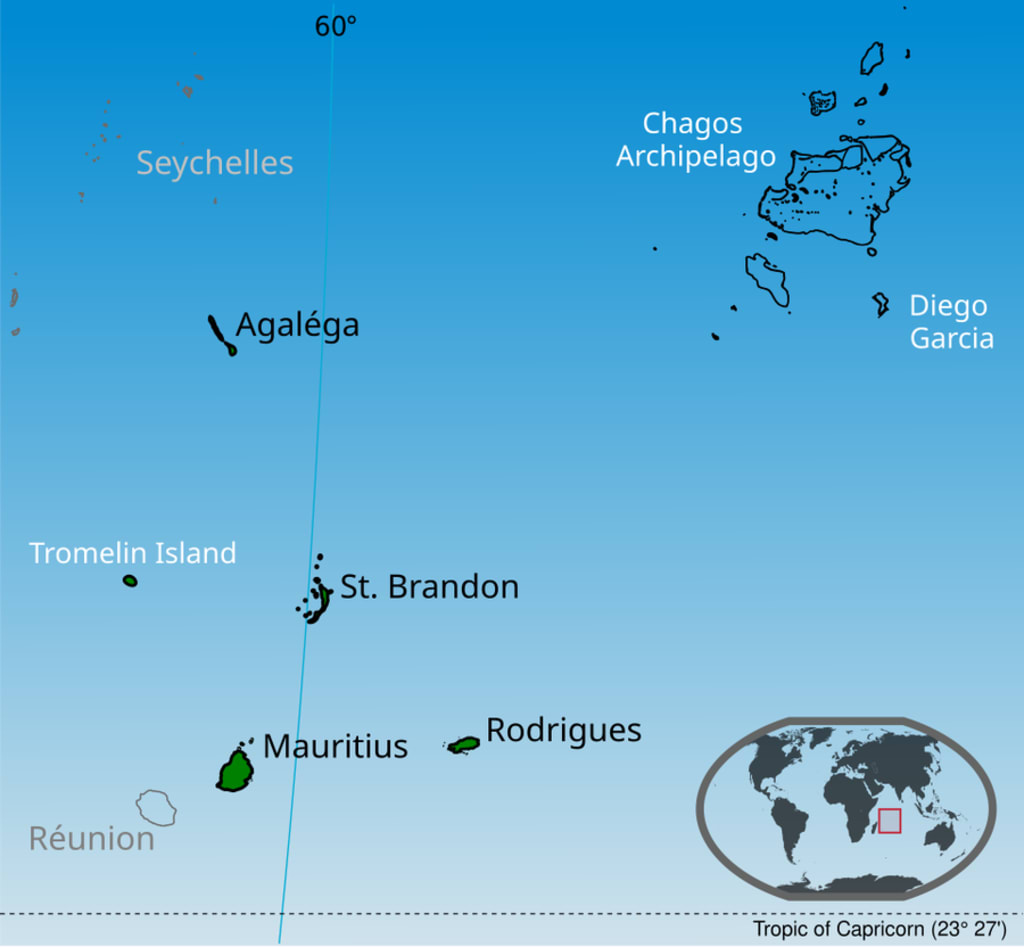
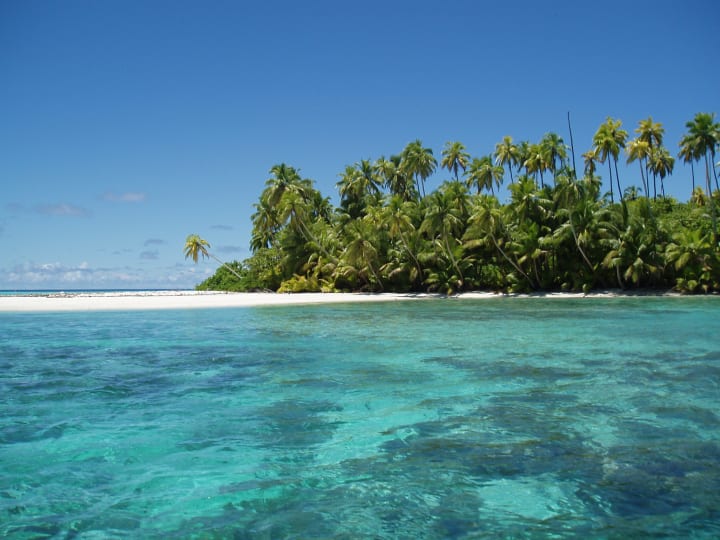
The Chagos Archipelago is a chain of more than sixty small islands scattered across turquoise waters in the Indian Ocean. On the surface, it looks like paradise .. coral reefs, white sands, isolation.
But geography made Chagos valuable long before its beauty did.
At the heart of the archipelago sits Diego Garcia, an island positioned perfectly for military reach across Africa, the Middle East, and Asia. In the Cold War era, this location was priceless. And when power sees opportunity, morality usually follows later—if at all.
The Creation of a Territory That Should Not Exist
In 1965, just before granting independence to Mauritius, the United Kingdom detached the Chagos Islands and created a new colony: the British Indian Ocean Territory.
This move violated international norms even at the time. But it was done quietly, with paperwork and diplomatic pressure replacing public debate. The reason was simple: the UK wanted to lease Diego Garcia to the United States for a military base .. without interference from a newly independent nation.
Colonialism, it turns out, did not need chains anymore. It only needed contracts.
The Forced Removal No One Wanted to Name
Between 1967 and 1973, the people of Chagos—the Chagossians—were removed from their homeland.
Not evacuated.
Not relocated by choice.
Expelled.
Families were put on ships and flown out with minimal belongings. Some were told they were leaving temporarily. Others were simply not allowed to return after traveling abroad. Pets were killed. Homes were abandoned. An entire culture was displaced to Mauritius and the Seychelles, where many lived in poverty for decades.
For years, governments avoided the word deportation. They preferred phrases like “resettlement” and “administrative necessity.”
Language became a tool to dull the truth.
Diego Garcia: The Base That Cannot Be Touched
Today, Diego Garcia hosts one of the most important U.S. military bases outside American soil. It has been used for operations in Iraq, Afghanistan, and across the Middle East. From a strategic perspective, it is invaluable.
And that is precisely why justice stalled.
Courts ruled.
International bodies condemned.
The International Court of Justice stated that the UK’s control of the islands was unlawful.
Still, nothing changed on the ground.
Because when military interests collide with moral obligations, the former almost always wins.
A “Historic” Agreement That Leaves Questions Behind
In recent years, the UK agreed to transfer sovereignty of the Chagos Islands back to Mauritius—a move hailed by some as a historic step toward decolonization.
But the fine print matters.
The military base on Diego Garcia remains. Long-term leases ensure continued U.S. and UK control of the most important island. And the Chagossians—the very people at the center of this story—were largely absent from the negotiations.
Sovereignty was discussed.
Security was guaranteed.
Return and restitution were sidelined.
Why the Chagos Story Matters Now
The Chagos Islands are not just about a remote archipelago. They represent a larger truth about the modern world:
Colonialism did not end—it rebranded
Human rights are often conditional
International law is powerful, but not equal to military power
Entire communities can be erased without global outrage if it serves “security”
This is not ancient history.
This is ongoing policy.
The Question That Still Has No Answer
If international courts agree an injustice occurred,
If governments acknowledge wrongdoing,
If the world claims to value human rights—
Then why are the Chagossians still waiting?
The Chagos Islands force us to confront an uncomfortable reality: some lives are still considered negotiable.
And until that changes, the story of Chagos is not a closed chapter.
It is a warning.
*******

About the Creator
Aarish
This account has been compromised for now.
Support my work .
Join my publication on Medium for self-help advice. Mental Wellness Insights
My First Time Skiing and I Got Lost, Alone, in the French Alps
Looking back, I can trace some of my life’s biggest adventures to a simple action from my sister. She’d introduced me to Tommy (a very long time ago), a colleague of hers, who had overshared his penchant for Italian-looking women, and I ticked that box.
By Chantal Christie Weiss3 days ago in Humans


Comments
There are no comments for this story
Be the first to respond and start the conversation.