
The Celestial Tension: Exploring the Correlation Between Demons and Angels

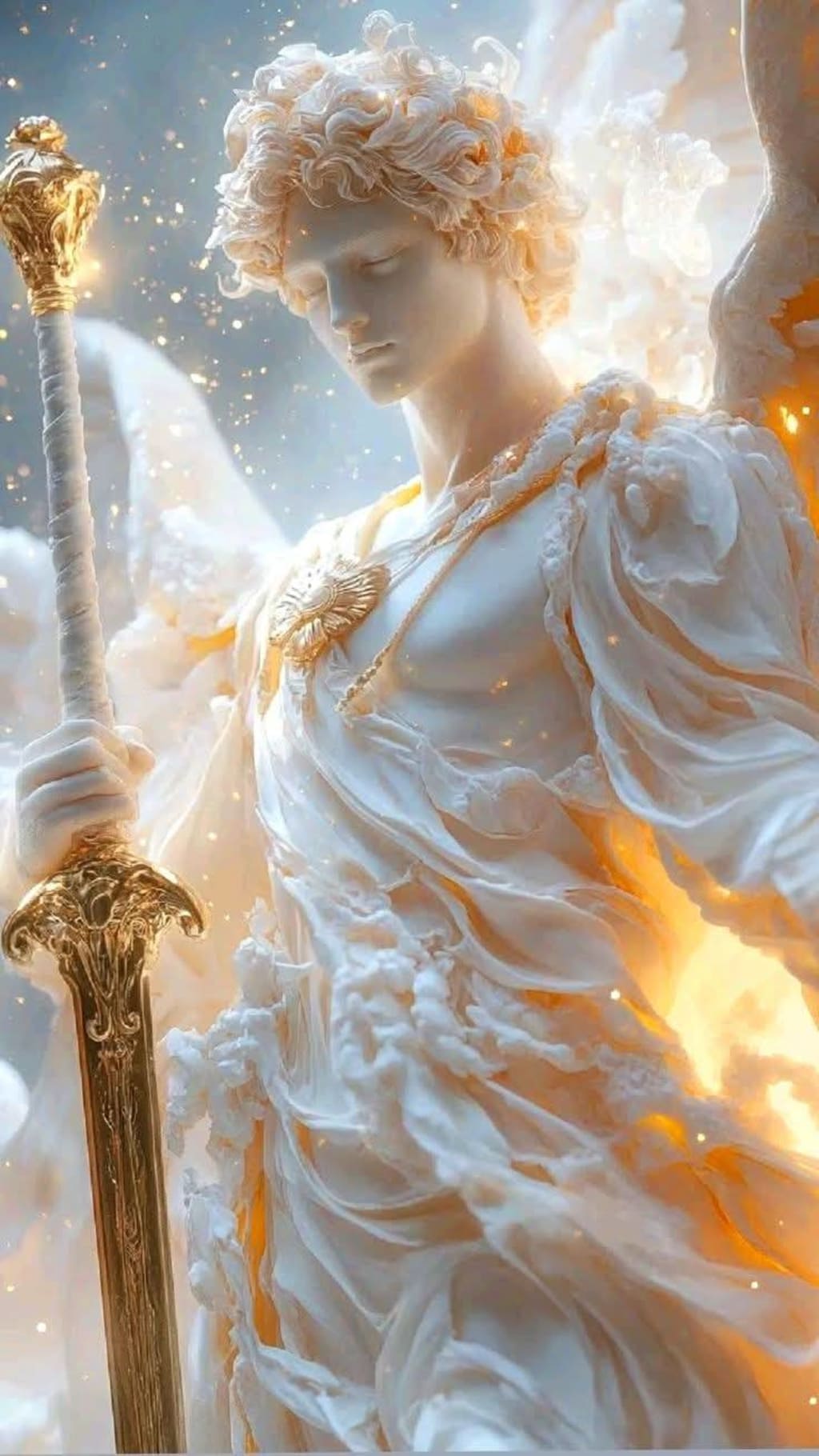
The Duality of Existence
Throughout history, angels and demons have captivated human imagination, representing the dichotomy of good and evil. These entities populate religious texts, folklore, and popular culture. While often portrayed as opposites, they share intriguing similarities, rooted in cultural beliefs that transcend time and geography. This article delves into their shared history, explores their characteristics, and examines how they reflect humanity’s internal struggles.
I. Definitions and Origins
Demons and angels are often classified within the realm of supernatural beings. Their classifications vary across cultures, but several fundamental concepts persist.
- Angels: Typically viewed as messengers of the divine, angels possess qualities such as purity, wisdom, and benevolence. In Abrahamic traditions, they act as intermediaries between God and humanity. Their role is to offer protection, guidance, and support in times of need.
- Demons: Conversely, demons are commonly associated with malevolence and temptation. Many traditions regard them as fallen angels who rebel against God. They embody chaos, ignorance, and the darker impulses of humanity.
Similarities:
1. Supernatural Origins: Both entities exist beyond the physical world, influencing human lives and decisions.
2. Symbolic Representation of Good and Evil: Angels symbolize virtue while demons embody vice, reflecting human ethical dilemmas.
3. Cultural Adaptation: Both have transformed through cultural exchange, absorbing traits from various traditions.
II. Historical Perspectives
- Ancient Civilizations:
The roots of angels and demons can be traced back to ancient civilizations. In Mesopotamian cultures, spirits acted as both good and evil forces. Similarly, Egyptian mythology depicted benevolent and malevolent deities, setting the ground for later dichotomies.
- Abrahamic Traditions:
Both angels and demons feature prominently in Jewish, Christian, and Islamic texts. For example, the Bible provides numerous references to angels as God’s servants (e.g., Gabriel and Michael) while also discussing demons, often as adversaries (e.g., Lucifer's fall).
- Theological Interpretations:
Medieval scholars like Thomas Aquinas explored the nature of angels and demons. Aquinas posited that angels are pure intellects, whereas demons are fallen beings that misuse their created nature. His writings heavily influenced Western thought on these beings.
III. Characteristics and Attributes
- Angels:
- Typically depicted as winged beings.
- Often associated with light, purity, and divine truth.
- Exhibit traits like compassion, wisdom, and courage.
- Demons:
- Commonly portrayed with grotesque forms or as deceptive apparitions.
- Associated with shadows, darkness, and chaos.
- Exhibit traits such as cunning, manipulation, and despair.
IV. Cultural Manifestations
- Literature and Art:
The depictions of angels and demons in literature—from Dante's “Divine Comedy” to Milton’s “Paradise Lost”—highlight their complex nature. Paintings from the Renaissance often illustrated the battle between celestial and infernal realms.
- Modern Media:
In contemporary culture, angels are frequently romanticized, while demons often embody horror. Films such as “Constantine” and “The Exorcist” explore their duality.
V. Psychological Interpretations
From a psychological viewpoint, angels and demons represent internal conflicts. Carl Jung referred to the “shadow” aspect of the psyche, where repressed traits and desires manifest as demons. Alternatively, angels can symbolize our higher aspirations and moral compass. This dichotomy illustrates the constant struggle between our better and worse selves.
VI. Conclusion: The Eternal Dance
The relationship between demons and angels is not merely one of opposition. Instead, they represent a continuum of human experience—a dance between light and darkness. Their similarities and differences provide valuable insights into our understanding of morality, spirituality, and the human condition.
References:
1. Aquinas, T. (1266). Summa Theologica.
2. Dante Alighieri. (1320). Divine Comedy.
3. Milton, J. (1667). Paradise Lost.
4. Jung, C. G. (1953). Psychological Aspects of the Persona.
5. Britannica. (2023). “Angel and Demon.” Retrieved from [Encyclopedia Britannica](https://www.britannica.com).
This overview encapsulates the rich legacy and intricate relationship between demons and angels across time and cultures, highlighting their enduring significance in human storytelling and psychology.
Julia O’Hara
Here is a link where you can purchase my CD, “Dreamcatcher”.
https://elasticstage.com/juliaohara/releases/dreamcatcher-album
YouTube Top Song List.
https://www.YouTube.com/results?search_query=julia+o%27hara+top+songs
Amazon PlayList
https://www.amazon.com//music/player/artists/B0D5JP6QYN/julia-o'hara
Spotify PlayList
https://open.spotify.com/artist/2sVdGmG90X3BJVn457VxWA
You can also purchase my books here:
https://www.lulu.com /spotlight/julie-ohara
I am also a member of Buy Me A Coffee – a funding site where you can “buy me a cup of coffee.”
https:www.buymeacoffee.com/JulieOHara
About the Creator
Julie O'Hara - Author, Poet and Spiritual Warrior
Thank you for reading my work. Feel free to contact me with your thoughts or if you want to chat. [email protected]
Keep reading
More stories from Julie O'Hara - Author, Poet and Spiritual Warrior and writers in Humans and other communities.
Navigating the 18 Waves of Consciousness: A Journey Towards Ascension
The quest for spiritual ascension is often depicted as a ladder of consciousness, where each rung represents a pivotal step toward enlightenment and higher awareness. Central to this journey is the need to navigate through layers of the ego, surrender to greater truths, and cultivate faith in the divine. The 18 waves of consciousness outlined here—ranging from shame to God consciousness—offer a roadmap for those seeking to ascend spiritually.
By Julie O'Hara - Author, Poet and Spiritual Warrior3 months ago in Humans
The CEO of Everything
They say "jack of all trades, master of none," but they forgot to mention the part where the jack of all trades is also the camera woman, the makeup artist, and the person currently yelling at a tangled Wii microphone cable in a her own bathroom while recording herself singing and trying to make it look realistic and professional. (As professional as you can make it with nothing but a cell phone camera and a mic that doesn't work)
By Sara Wilson7 days ago in Humans
Vaishnavi Sharma and the Quiet Strength Behind Her Journey
Some names appear suddenly in public conversation, while others grow quietly through effort, patience, and time. Vaishnavi Sharma belongs to the second kind. Her story is not built on noise or constant attention. It is shaped by steady movement, personal choices, and moments that rarely make headlines but deeply matter. People search for Vaishnavi Sharma for different reasons. Some are curious about her background. Others want to understand her work, her rise, or the values she represents. What connects all these questions is a sense that there is more beneath the surface. This article looks closely at who Vaishnavi Sharma is, where her story begins, and why her journey continues to resonate with so many people.
By Muqadas khan2 days ago in Humans


Comments
There are no comments for this story
Be the first to respond and start the conversation.