
The Brain
Unlocking the Secrets of Your Body’s Command Center

The human brain is a marvel of nature—a three-pound organ that orchestrates every thought, emotion, movement, and memory. Often referred to as the command center of the body, the brain is more than just an organ; it’s the seat of consciousness and the powerhouse of human potential. Understanding the brain's complexity and functions is like embarking on an exploration of one of the universe’s most fascinating mysteries.
In this article, we delve into the intricacies of the brain, its anatomy, its role in daily life, and how you can optimize its performance.
The Anatomy of the Brain: A Complex Masterpiece
The brain is composed of billions of neurons, which are specialized cells that transmit information via electrical and chemical signals. Despite its small size relative to the body, it consumes about 20% of the body’s energy.
Major Regions of the Brain:
Cerebrum: The largest part, responsible for higher functions such as thought, memory, and voluntary movement. It’s divided into two hemispheres, each controlling the opposite side of the body.
Cerebellum: Located at the back of the brain, it coordinates balance, posture, and fine motor skills.
Brainstem: The brain’s survival hub, managing vital functions like breathing, heartbeat, and sleep.
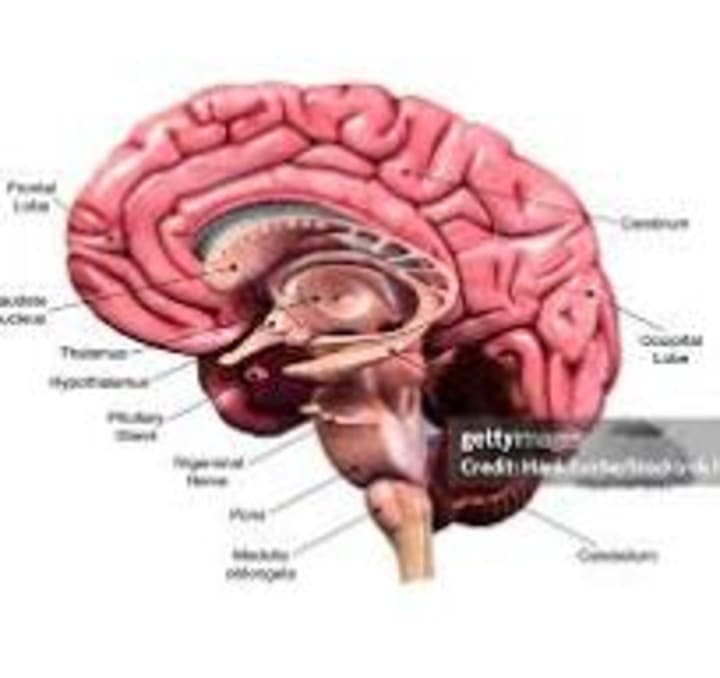
Lobes of the Cerebrum:
Frontal Lobe: Governs decision-making, problem-solving, and motor function. Why decision-making abilities vary: Decision-making abilities vary due to differences in brain structure, life experiences, cognitive biases, emotional regulation, and access to information, all of which shape how individuals analyze and respond to situations.
Parietal Lobe: Processes sensory information such as touch, temperature, and pain. Sensitivity variances: Sensitivities vary due to differences in genetics, past experiences, neurological responses, and individual thresholds for emotional, physical, or sensory stimuli.
Occipital Lobe: Responsible for visual processing. Visual processing varies due to differences in brain structure, neural pathways, visual acuity, genetic factors, and individual experiences that influence how visual information is interpreted and understood.
Temporal Lobe: Involved in hearing, language, and memory.
The Limbic System: Often called the emotional brain, this system includes the hippocampus (memory processing) and the amygdala (emotion regulation). Ideas may come to memory and disappear before action due to distractions, limited working memory capacity, or a lack of focus, which prevents proper encoding or retention in long-term memory. Some people are more emotional because of heightened activity in their amygdala or differences in emotional regulation pathways influenced by genetics, past experiences, and hormonal fluctuations.
How the Brain Works: A Symphony of Signals
The brain communicates through a network of neurons, which form synapses to transmit information. Each neuron can connect with thousands of others, creating a vast and intricate web. Neurotransmitters—chemical messengers like dopamine and serotonin—play a key role in mood, memory, and behavior. Food supplements that help improve dopamine and serotonin levels by supporting their production and function include but not limited to: L-Tryptophan: An amino acid that serves as a precursor to serotonin. 5-HTP (5-Hydroxytryptophan): Converts directly to serotonin in the brain. L-Tyrosine: An amino acid that acts as a precursor to dopamine. Omega-3 Fatty Acids: Found in fish oil, they support brain health and neurotransmitter function. Vitamin B6: Helps synthesize serotonin and dopamine.
Electrical Signals: Neurons communicate via action potentials, quick bursts of electricity that transmit messages.
Chemical Signals: Neurotransmitters bridge gaps between neurons, influencing thoughts, emotions, and physical responses.
Plasticity: The brain’s ability to reorganize and form new connections in response to learning, experience, or injury is known as neuroplasticity.
The Brain’s Role in Daily Life
From solving a complex math problem to recalling a childhood memory, the brain is constantly at work. Here are some key functions:
Cognition and Memory:
The brain allows us to learn, reason, and store memories. The prefrontal cortex plays a pivotal role in logical thinking, while the hippocampus helps encode and retrieve memories.
Emotions and Behavior:
The limbic system regulates emotions like joy, anger, and fear. Neurotransmitters such as serotonin influence mood stability.
Physical Coordination:
The motor cortex initiates voluntary movements, while the cerebellum fine-tunes coordination and balance. What happens to cerebellum when people respond to situations hastily? When people respond to situations hastily, the cerebellum may coordinate rapid motor responses, but insufficient input from the prefrontal cortex can lead to impulsive actions with reduced precision and planning.
Autonomic Functions: The brainstem oversees involuntary actions such as heartbeat, respiration, and digestion.
How to Boost Brain Health
Keeping your brain healthy is crucial for mental sharpness and long-term well-being. Here are some science-backed tips:
Eat Brain-Boosting Foods: Foods rich in omega-3 fatty acids (like salmon and walnuts), antioxidants (berries and dark chocolate), and vitamins (leafy greens and eggs) nourish the brain.
Stay Physically Active: Exercise increases blood flow to the brain and promotes the release of brain-derived neurotrophic factor (BDNF), which supports neuron growth.
Challenge Your Brain: Engage in activities like puzzles, reading, or learning new skills to build cognitive reserves.
Prioritize Sleep: Quality sleep is essential for memory consolidation and toxin clearance from the brain. Manage Stress: Chronic stress can damage brain cells. Practices like meditation and deep breathing enhance emotional resilience.
Common Brain Disorders and Challenges
The brain, despite its resilience, is vulnerable to various disorders:
Neurodegenerative Diseases:
Conditions like Alzheimer’s and Parkinson’s progressively impair cognitive and motor functions. Alzheimer's progressively impair memory, thinking, and daily functioning, leading to challenges in communication, independence, and emotional well-being for both the individual and their caregivers. Parkinson's causes progressive motor symptoms like tremors, stiffness, and slow movement, along with non-motor challenges such as sleep disturbances, mood changes, and cognitive decline, impacting daily activities and quality of life.
How can the conditions be avoided or treated when contracted? While neither Alzheimer’s nor Parkinson’s can be entirely prevented due to genetic and age-related risk factors, certain lifestyle habits may reduce the risk: Healthy Diet: Follow a Mediterranean diet rich in fruits, vegetables, whole grains, nuts, and omega-3 fatty acids to support brain health. Regular Exercise: Physical activity improves blood flow, reduces inflammation, and may delay neurodegenerative processes. Cognitive Engagement: Keep your brain active with puzzles, reading, and learning new skills. Manage Chronic Conditions: Control diabetes, hypertension, and high cholesterol to lower the risk of brain damage. Avoid Toxins: Limit exposure to environmental toxins, which can contribute to neuronal damage. Sleep and Stress Management: Prioritize quality sleep and manage stress, as both are crucial for brain health. Treatment of Alzheimer’s and Parkinson’s
Alzheimer’s Disease:
Medications: Cholinesterase inhibitors (e.g., donepezil) for memory and cognitive symptoms, and NMDA antagonists (e.g., memantine) to slow progression. Lifestyle Modifications: Cognitive stimulation, a healthy diet, and regular exercise. Therapies: Behavioral therapy to manage mood swings and anxiety. Emerging Treatments: Ongoing research includes monoclonal antibodies like lecanemab to target amyloid plaques.
Parkinson’s Disease: Medications: Levodopa to replenish dopamine, and dopamine agonists or MAO-B inhibitors to reduce symptoms. Physical Therapy: Exercises to improve mobility, balance, and muscle strength. Deep Brain Stimulation (DBS): A surgical option where electrodes stimulate brain areas to manage motor symptoms. Lifestyle Adjustments: High-intensity exercise and a diet rich in antioxidants like fruits, vegetables, whole grains, olive oil, nuts, fish rich in antioxidants like vitamins C and E and omega-3 fatty acids to slow disease progression.
Both diseases benefit from early diagnosis and tailored treatments to manage symptoms and improve quality of life. Consulting a neurologist for a personalized plan is essential.
Mental Health Disorders:
Anxiety, depression, and bipolar disorder involve imbalances in brain chemistry and function.
Strokes:
A stroke occurs when blood flow to the brain is disrupted, leading to potential brain damage.
Traumatic Brain Injuries:
Accidents or impacts can result in temporary or permanent brain dysfunction.
Exciting Advances in Brain Science
Neuroscience is one of the fastest-growing fields of research, and breakthroughs continue to reshape our understanding of the brain:
Brain-Machine Interfaces:
Technologies like Elon Musk’s Neuralink aim to connect the brain directly to computers, opening possibilities for treating neurological disorders and enhancing human capabilities.
Regenerative Medicine:
Stem cell research is paving the way for potential therapies to regenerate damaged brain tissue.
Artificial Intelligence:
AI is being used to map the brain and develop personalized treatments for mental health conditions.
Conclusion: Embrace the Power of Your Brain
The brain is the cornerstone of human existence—a powerful organ capable of profound thought, emotion, and innovation. By understanding its functions and adopting habits to protect its health, you can unlock your full potential and lead a more vibrant life.
So, nurture your brain, fuel it with the right foods, and challenge it with new experiences. After all, your brain is not just an organ; it’s your greatest asset.
Keywords: brain health, brain function, human brain anatomy, cognitive enhancement, brain-boosting foods, mental health tips, neuroplasticity, brain science, how the brain works, brain disorders.
About the Creator
Keep reading
More stories from Jacktone Otieno and writers in Humans and other communities.
The Diaphragm:
When you take a deep breath, your lungs fill with air, and your chest rises, but the muscle doing the hard work behind the scenes is often overlooked. That muscle is the diaphragm, a dome-shaped muscle that plays an essential role in breathing, circulation, and even posture. Despite its significance, it remains one of the most underrated parts of the human body. Let’s explore the fascinating world of the diaphragm, its functions, and why it’s vital for your health.
By Jacktone Otienoabout a year ago in Humans
The Voice in the Dark
In the history of big cities there are moments when everything turns into chaos and people don't know where to go in those moments only the people with real character and tarbiyat can lead others to safety this is the true story of Rick Rescorla who was born in a small town in England and later moved to America he was a man who had seen many wars and he knew that safety is not something you get by luck it is something you prepare for every single day
By Hazrat Umerabout 6 hours ago in Humans




Comments
There are no comments for this story
Be the first to respond and start the conversation.