
The beauty of a traditional English wedding
Jenny and Peter Hexham from Drake Australia write about a much loved tradition...
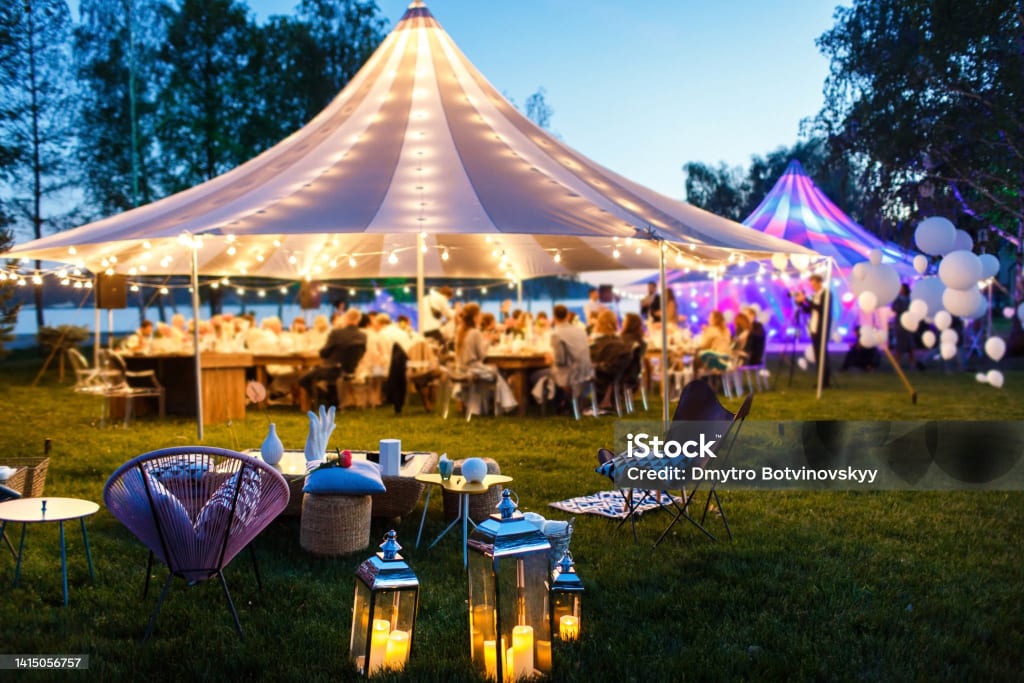
An English Wedding: Tradition, Charm, and Celebration
There is something unmistakably enchanting about an English wedding. Perhaps it is the blend of history and modernity, where centuries-old traditions meet contemporary creativity. Perhaps it is the settings—ancient stone churches, manor houses, or sunlit gardens—that lend the occasion a storybook air. Or perhaps it is the people, gathering from near and far, bound by the universal desire to celebrate love. Whatever the reason, an English wedding has a distinctive character that sets it apart from weddings elsewhere.
The Setting
The venue is often the first decision a couple makes, and in England the choice is endless. Many opt for the time-honoured beauty of a parish church, its stone walls steeped in centuries of community life. Guests walk up the church path beneath lychgates draped in flowers, the bells pealing joyfully overhead. Others choose grand country houses with sweeping lawns, where guests spill onto terraces with champagne flutes in hand. Increasingly popular too are barns converted into rustic yet elegant spaces, their exposed beams hung with fairy lights and bunting.
Wherever the venue, the English countryside plays its part. Rolling hills, clipped hedgerows, and clusters of wildflowers create a picturesque backdrop. A wedding in Hexham, for instance, might take place against the backdrop of abbey ruins or overlooking the Tyne Valley, blending romance with history.
The Ceremony
The heart of an English wedding is, of course, the ceremony. In a traditional Church of England service, the bride enters to organ music, often the majestic strains of Jesu, Joy of Man’s Desiring or the timeless Canon in D. She walks slowly up the aisle, escorted by her father, while the congregation rises in anticipation. The vicar welcomes everyone, and vows are exchanged—solemn promises spoken with trembling voices but unshakable sincerity.
For couples who choose civil ceremonies, registrars conduct the service in town halls, country estates, or outdoor spaces licensed for marriage. These ceremonies allow more personal touches: poetry readings, bespoke vows, or music chosen by the couple. Whether in church or in a civil setting, the moment when rings are exchanged remains universal—the unbroken circle of gold symbolising eternity.
Traditions Large and Small
English weddings abound with customs, many of which have become globally familiar. The rhyme “something old, something new, something borrowed, something blue” originated here, encouraging brides to carry tokens of continuity, hope, connection, and fidelity. Confetti—originally rice or petals, now often biodegradable paper—is thrown joyfully as the couple emerges newly married.
There is also the wedding breakfast, curiously named since it is rarely in the morning. This first meal as a married couple is a feast shared with guests, ranging from plated three-course dinners to lavish buffets. Toasts are made, speeches delivered. The father of the bride traditionally speaks first, welcoming the groom into the family. The groom follows, thanking guests and praising his new spouse. Then comes the best man, whose speech mixes humour with affection, often recalling anecdotes from the groom’s past to much laughter.
Another English hallmark is the cutting of the cake. Traditionally fruitcake covered in marzipan and royal icing, it is now often sponge layered with buttercream or ganache. Still, the act of cutting it together, hand over hand, remains symbolic: the first task completed as a married couple.
The Attire
Fashion plays no small part in an English wedding. Brides frequently wear white or ivory gowns, whether flowing and romantic or sleek and modern. Veils remain popular, as do tiaras and hairpieces adorned with pearls. Grooms often wear morning suits—tailcoats with striped trousers and waistcoats—or lounge suits in navy or grey. Wedding parties may coordinate colours, from the bridesmaids’ dresses to the ushers’ ties or pocket squares.
Guests, too, observe a certain etiquette. For women, hats or fascinators are almost expected at more traditional ceremonies, adding flair and colour to the occasion. Men often wear suits, though the formality depends on the venue and couple’s wishes. A countryside wedding may call for tweed, while a city event encourages sharp tailoring.
Music and Dance
No English wedding is complete without music. From the soaring hymns of the ceremony to the string quartets or folk musicians of the reception, music sets the tone. As evening falls, the dance floor beckons. The couple’s first dance is a cherished moment, whether choreographed elegance or simple swaying in each other’s arms. Soon, the floor fills with guests, dancing to everything from Motown classics to modern chart hits.
Live bands are increasingly popular, as are DJs who keep the energy high into the small hours. A lively ceilidh or barn dance is also common, particularly in northern England, bringing laughter as guests—expert and amateur alike—attempt to follow the caller’s instructions.
The Atmosphere
What makes an English wedding truly memorable is not just its traditions, but its atmosphere. There is warmth in the way communities gather to support the couple. There is joy in the mingling of families, sometimes meeting for the first time. There is generosity in the sharing of food, drink, and laughter. And there is romance in every glance between bride and groom, every cheer from the crowd, every note of music drifting into the night air.
Modern Twists
While traditions endure, modern couples often make their weddings uniquely their own. Eco-friendly touches—locally sourced flowers, seasonal menus, recycled paper invitations—are increasingly common. Some couples choose outdoor ceremonies beneath ancient oak trees or within walled gardens. Others forgo the traditional cake in favour of towers of cheese wheels or doughnut walls.
Technology, too, plays its role. Livestreaming allows absent friends and family to witness the ceremony. Drones capture sweeping shots of the venue. Hashtags encourage guests to share photos, creating a collective album of memories.
A Lasting Memory
When the final song plays, the lights dim, and guests begin to depart, what lingers is not only the beauty of the setting or the elegance of the clothes. It is the memory of love made visible. An English wedding, whether lavish or simple, whether in Hexham or London, leaves an imprint on everyone present. It is a ritual both ancient and ever-new, reminding us that love is worth celebrating, binding, and cherishing.
About the Creator
Jenny and Peter Hexham from Drake NSW
Jenny is a science teacher from Drake NSW
Peter is a bean counter from the USA
They travel widely and often
They have teenage kids
Keep reading
More stories from Jenny and Peter Hexham from Drake NSW and writers in Humans and other communities.
Autonomy Is The Real Privilege
Good morning, freedom-seekers! Today we’re gonna be looking at autonomy. A strange word, I know; one many would probably look at blankly and run away from on sight. We’re gonna figure out what it actually means, consider how it’s achieved, and decipher just how deeply most of us are tangled up in dependence without realising it.
By That ‘Freedom’ Guyabout 6 hours ago in Humans
Marc Guéhi
Marc Guéhi is a professional football player who is known for his calm defending, strong leadership, and smart decision-making on the field. He plays as a central defender and represents both club football and the England national team. Over the years, Marc Guéhi has become one of the most trusted young defenders in modern football.
By Farhan Sayed4 days ago in Humans
Smart phones, Humans and Aliens.
WARNING. I will be tapping into one of your favorite creative tensions: The absurdity of humans worshipping their glowing rectangles as if they were tiny oracles. There’s something deliciously poetic about that contradiction, and it lends itself beautifully to an instructive proviso.
By Novel Allen4 days ago in Poets



Comments
There are no comments for this story
Be the first to respond and start the conversation.