
The Attention Economy Is Quietly Rewriting Our Minds — and Most People Don’t Notice
Inside the hidden power of digital platforms that shape what we think, want, and believe without us realizing it

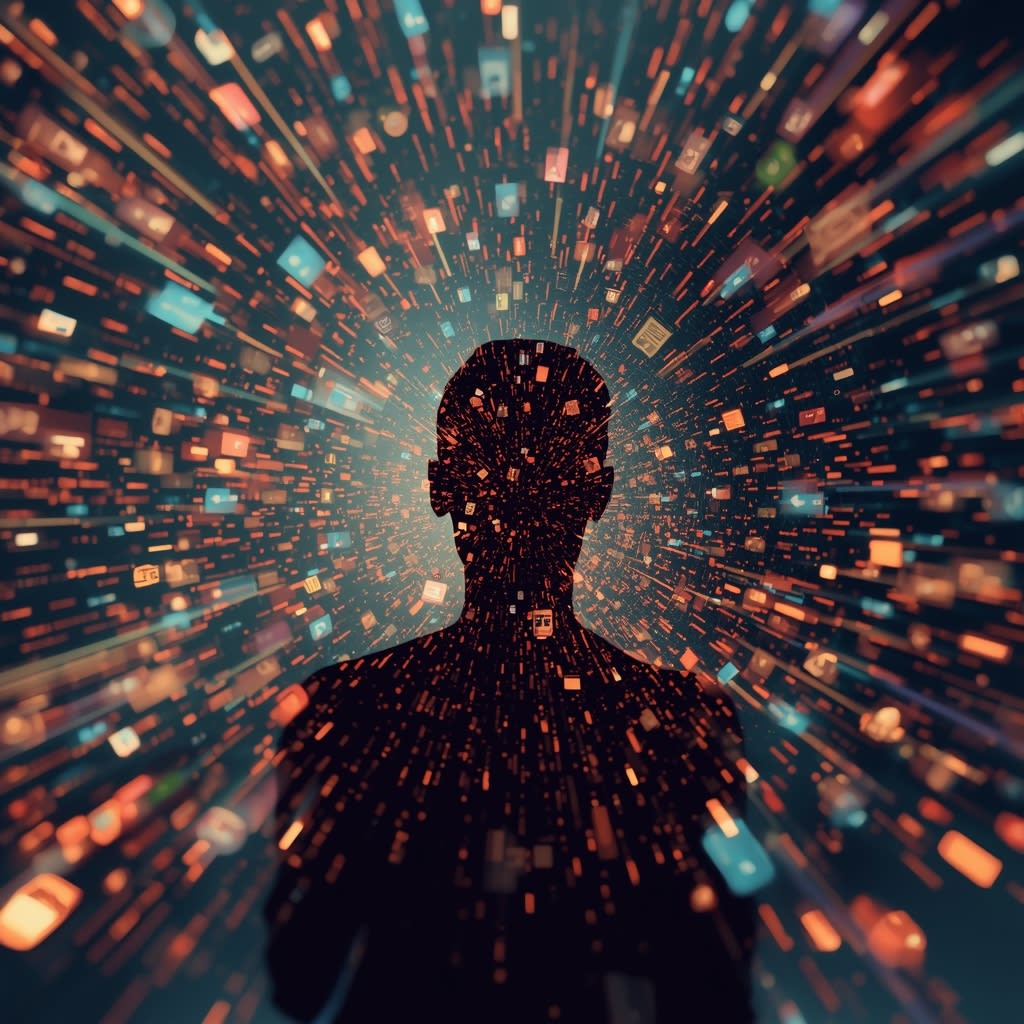
Every time you unlock your phone, scroll a feed, or tap a notification, you are participating in something far bigger than momentary distraction. You are engaging in what experts call the attention economy — a system where human focus is the most valuable resource on Earth. This isn’t hyperbole. It’s reality. For the companies that fuel the modern internet, your attention is currency. Every second spent watching, clicking, or reacting generates data that platforms use to predict your behavior, tailor your feed, and pull you deeper into their ecosystem. And the consequences go beyond algorithms. They are reshaping how we think, feel, and decide — often without our conscious awareness.
In the early days of the internet, online spaces were simple. Forums connected niche communities. Search engines helped you find information. Social media began as a way to stay connected with friends. But as platforms grew, so did the war for attention. Algorithms were designed not to just serve content — but to maximize engagement. Content that keeps you scrolling longer earns more ad revenue. Emotionally charged posts, short videos, and sensational headlines trigger reactions and keep users glued. Platforms optimize for retention, not truth, curiosity, or nuance. This means what you see isn’t random — it’s engineered to keep your eyes glued to the screen. That’s the core of the attention economy: turning human moments into monetizable units of time.
It’s easy to dismiss “endless scrolling” as just modern behavior — something we do because our devices exist. But when usage consistently outpaces intention, something deeper is happening. Hours that might have been spent reading, creating, or socializing are instead absorbed by feeds optimized to be irresistible. This isn’t just idle time being lost. It’s time that shapes neural pathways, reinforces habits, and conditions attention itself. Psychologists have found that constant exposure to short, dopamine-triggering content can shorten attention spans and increase impulsivity. The mind becomes conditioned to seek instant gratification — because that’s what the platform rewards. Yet few people consciously choose this experience. Most are swept up passively.
We like to believe we’re in control — that we choose what to watch, read, or click. But data shows that choice is shaped long before you act. Platforms curate what you see based on predictive models that analyze your past behavior. They recommend videos that match your interests, articles that resemble what you’ve read before, and products that align with your search history. The result? A digital environment that feels personalized but is fundamentally predictive. Instead of exploring ideas freely, we are guided toward what we’re likely to engage with — even if it narrows our worldview over time. This isn’t just theory. Researchers studying “algorithmic influence” have documented how recommendations steer users toward certain content patterns, reinforcing preferences and biases rather than challenging them. In other words, the more the platform knows you, the more it shapes your choices — subtly, silently, and effectively.
It’s important to understand this system isn’t neutral. Platforms are not designed to make you smarter, more thoughtful, or culturally literate. They are optimized for engagement — period. That means: sensational posts get priority over thoughtful ones; controversy often outranks calm discourse; emotional reaction beats complex reasoning. These priorities aren’t arbitrary. They’re profitable. For platforms, the optimal outcome isn’t a well-informed user — it’s a hooked one. A user who consumes more content, spends more time, clicks more ads. In this system, intelligence competes with addiction.
The attention economy doesn’t just affect individuals — it reshapes culture. Take, for example, the rise of short-form video. Platforms like TikTok have made 30–60 second clips a dominant communication form. These bite-sized videos are easy to consume and highly shareable, contributing to trends that spread globally in hours. But this also sets expectations for all content: fast, sensational, surface-level. Long-form articles, deep analysis, and slow conversations struggle for visibility in this landscape — not because they aren’t valuable, but because they don’t fit the engagement-first formula. This shift influences not just what we watch but how we think. It privileges quick reactions over thoughtful reflection and instantaneous entertainment over sustained discourse. In effect, the attention economy is molding a generation’s cognitive habits.
Not everyone is content to be shaped silently. In response to these concerns, a number of thinkers and organizations are pushing back. Groups like the Center for Humane Technology advocate for tech that prioritizes wellbeing over endless engagement. They argue for interfaces that respect human attention rather than exploit it. This movement isn’t anti-technology — it’s pro-human. Instead of surrendering agency to algorithms, advocates urge users and creators alike to be aware of how platforms influence habits. Concepts like digital wellbeing, screen time management, and intentional browsing are gaining traction precisely because people are starting to notice something deeper is at work. Some users report that reducing passive scrolling and curating their feed thoughtfully leads to better focus, improved mental health, and richer offline relationships. Conscious interaction becomes an act of resistance — not to technology itself, but to the systems designed to hijack attention.
If you want to reclaim control over your attention in a world built to capture it, here are practical steps: turn off non-essential notifications; set time limits for apps that don’t enrich your life; seek out content that challenges you — long-form, nuanced, and reflective works; schedule tech-free time daily. Time without screens isn’t lost time — it’s self-directed time. By taking these intentional steps, you shift from passive consumption to active engagement — and that changes the dynamic entirely.
The attention economy isn’t going away. Algorithms will only get smarter. Platforms will continue to refine their predictive models. But awareness matters. When people recognize that their attention has value beyond entertainment, they begin to make empowered choices. They reclaim focus, deepen thinking, and engage with content on their terms. This is not just about productivity. It’s about autonomy — about deciding who you want to be in a world designed to shape you. The platforms we use every day may be invisible influences, but our choices don’t have to be. Conscious attention is one of the most powerful tools we have — and it’s time we start using it intentionally.
About the Creator
Yasir khan
Curious mind, storyteller at heart. I write about life, personal growth, and small wins that teach big lessons. Sharing real experiences to inspire and motivate others.
Keep reading
More stories from Yasir khan and writers in Humans and other communities.
The Day My Phone Started Knowing Me Better Than I Did
It started with a notification I almost ignored. “Good morning, Alex. Based on your sleep patterns, we’ve adjusted your morning schedule. Coffee is ready at 7:15. You might want to leave home at 8:03 instead of 8:10.” I froze. My phone had never spoken to me like this before. Sure, it suggested playlists, predicted traffic, and reminded me of appointments. But it had never calculated me this precisely. Curiosity overcame caution. I followed its instructions. The coffee was perfect. Traffic was lighter than usual. I arrived at work feeling oddly efficient.
By Yasir khan2 months ago in Humans
When the Shelter Closes
Across the street from my house, a man slept under a tree, his dog by his side. My first, naive thought: he must be traveling through. But he kept coming back, often sleeping there during the day. Then it hit me—that person might not have a home.
By Bride of Sound3 days ago in Humans




Comments
There are no comments for this story
Be the first to respond and start the conversation.