
The Art of Letting Go When You’re the Only One Holding On
Releasing the Rope to Reclaim Yourself

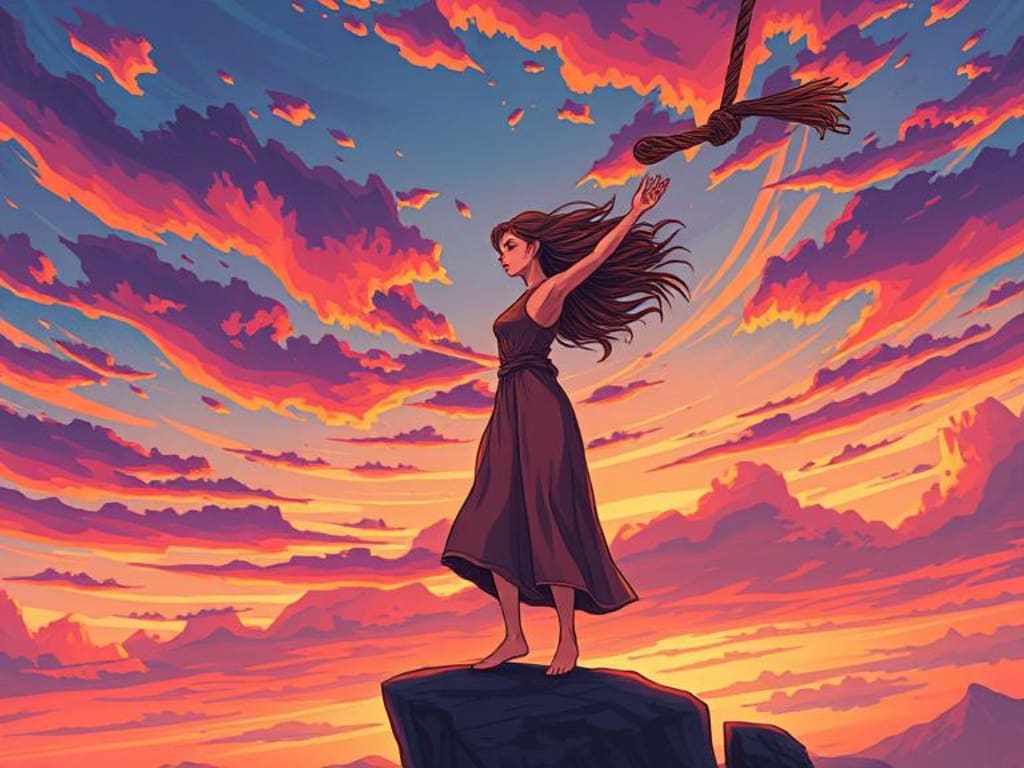
You clutch the rope tighter, knuckles whitening, as the frayed strands dig into your palms. The other end dangles loose, untethered, whipping in the wind. No one pulls back. No one matches your effort. Yet you stand there, heels dug into the earth, refusing to release. Sound familiar? We’ve all held on to something—or someone—long after it stopped holding us back. The art of letting go begins when you recognize you’re the only one still gripping the line.
Letting go doesn’t come naturally. It’s a skill, a deliberate act of courage that demands you confront your fears, rewrite your story, and step into the unknown. When you’re the only one holding on, the process feels like betrayal—of your hopes, your efforts, your version of what could have been. But here’s the truth: releasing what no longer serves you isn’t defeat. It’s liberation. This article unpacks why we cling, how to loosen our grip, and what waits on the other side of surrender.
The Weight of One-Sided Devotion
You pour your energy into a friendship, texting first, planning meetups, remembering birthdays. They reply with one-word answers, cancel plans, forget your milestones. You love someone fiercely, mapping a future together in your mind. They drift, distracted, offering crumbs of affection you magnify into feasts. You chase a dream job, tweaking resumes and practicing interviews, while the company ghosts you after three rounds. In each case, you invest. You commit. You hold on. And they don’t.
Why do we do this? Psychologists point to the sunk cost fallacy—the idea that we stick with something because we’ve already poured time, effort, or emotion into it. Dropping the rope feels like admitting failure, like tossing away years of your life. But there’s more. We hold on because letting go threatens our identity. If you stop fighting for that relationship, who are you without it? If you abandon that dream, what defines you? The rope becomes a lifeline, even as it drags you down.
I once clung to a friendship that had long since faded. We’d been inseparable in college—late-night talks, shared secrets, laughter that echoed through dorm halls. After graduation, I kept reaching out, planning visits, sending memes. She responded less and less, her replies growing curt, her excuses piling up. I told myself she was busy, that our bond endured beneath the silence. One day, I scrolled her social media and saw photos of her with new friends, beaming at events she never mentioned. The truth hit like a slap: I was holding on alone. The rope burned my hands, but I couldn’t let go—not yet.
Recognizing the Signs You’re Alone
You don’t always see it at first. Denial paints a pretty picture, convincing you the other side still cares. But the signs creep in. They stop initiating. Their effort dwindles to obligation or vanishes entirely. You feel like you’re begging for scraps—attention, reciprocity, acknowledgment. Exhaustion settles into your bones, yet you push harder, convinced your persistence will reignite what’s lost.
Ask yourself: Does this feel like a partnership, or a solo act? Do they meet you halfway, or do you carry the weight alone? In my fading friendship, I cataloged every unanswered text, every dodged call. I rationalized her distance—new job, new city, new life. But deep down, I knew. She’d moved on. I hadn’t.
The same applies to romantic relationships, careers, even old versions of yourself. Maybe you hold on to a partner who checks out emotionally, leaving you to patch the cracks. Or you chase a goal that no longer fits, tethered to a younger you who wanted it fiercely. The common thread? You’re the only one still invested. Recognizing that truth stings, but it’s the first step toward freedom.
The Pain of Staying vs. the Fear of Leaving
Holding on hurts. You replay conversations, dissect silences, wonder what you did wrong. You exhaust yourself proving your worth to someone—or something—that stopped valuing you. The pain grows familiar, a dull ache you learn to live with. But letting go? That terrifies you more. What if you release the rope and fall? What if nothing catches you? What if you regret it?
Fear whispers lies: You’ll never find another friend like her. No one else will love you. This dream is your last shot. It traps you in a limbo of your own making. I lingered there for months, clutching my dying friendship. I feared losing her meant losing a piece of myself—the carefree, connected me from college. Staying hurt, but leaving felt like jumping off a cliff blindfolded.
Here’s what I learned: The pain of holding on outweighs the fear of letting go. Staying keeps you small, stuck, drained. Releasing opens space—for healing, for growth, for something new. It’s not painless, but it’s purposeful. The cliff isn’t a void; it’s a launchpad.
How to Start Letting Go
You decide to release the rope. Now what? The process isn’t linear—it’s messy, nonlinear, human. But you can break it into steps. Start by facing reality. Stop romanticizing what was or what could be. I had to admit my friend wasn’t coming back—not because I wasn’t enough, but because life pulled us apart. Write it down if you need to: They don’t want this anymore. I can’t force them to.
Next, feel the grief. Letting go isn’t cold detachment; it’s mourning a loss. Cry, scream, journal—let it out. I sobbed over that friendship, not just for her absence, but for the version of me I tied to her. Give yourself permission to hurt. It won’t last forever.
Then, shift your energy. Redirect the effort you poured into them—or it—toward yourself. Take a class, call a different friend, chase a new goal. I started hiking, something she’d never enjoyed. Each trail I conquered felt like reclaiming a piece of me. You don’t erase the past; you build atop it.
Finally, set boundaries. If it’s a person, stop reaching out. Delete their number if you must. If it’s a dream, box up the reminders—old resumes, vision boards—and tuck them away. Distance creates clarity. You’ll see they weren’t holding on. You were.
The Lies We Tell Ourselves
We sabotage our release with excuses. They’ll change. I just need to try harder. This is temporary. These lies keep us tethered. I told myself my friend would realize what she’d lost, that one heartfelt message would snap her back. It never did. Challenge those narratives. Ask: What’s the evidence? If their actions don’t match your hope, believe the actions.
Another lie? Letting go means I failed. No. It means you value yourself enough to stop begging. You don’t fail by walking away from a sinking ship; you survive. Reframe it: Releasing them frees you.
What Waits on the Other Side
You drop the rope. Your hands tremble, raw from the grip. The ground feels unsteady. Then, slowly, you notice the quiet. The weight lifts. You breathe deeper. Letting go doesn’t erase the past—it reclaims your present.
For me, losing that friendship opened doors. I reconnected with others I’d neglected, built new bonds, discovered I didn’t need her to feel whole. When you release a one-sided love, you make room for mutual affection. When you abandon a dead-end dream, you uncover passions you’d overlooked. The other side isn’t empty; it’s expansive.
You’ll stumble. You might reach for the rope again, testing its pull. That’s okay. Letting go is a practice, not a one-time event. Each time you release, you grow stronger, surer, freer.
The Art in the Release
Here’s the beauty: Letting go isn’t passive. It’s active, intentional, an art form. You sculpt your life by choosing what stays and what goes. You paint your future with the colors of self-respect and possibility. You write your story, not as a victim of abandonment, but as a creator of your own peace.
When you’re the only one holding on, the rope isn’t a lifeline—it’s a chain. Cut it. You won’t fall. You’ll rise. The art of letting go lies in trusting that truth.
About the Creator
Great pleasure
An Author.
Keep reading
More stories from Great pleasure and writers in Humans and other communities.
Why One-Sided Relationships Feel Like Emotional Quicksand
Relationships thrive on balance. Two people invest time, energy, and emotion, creating a bond that lifts both up. But when only one side pours in effort, the dynamic shifts. It transforms into a trap—a sinking, suffocating mess that drags you down the harder you fight to stay afloat. One-sided relationships don’t just hurt; they engulf you like emotional quicksand, pulling you deeper with every desperate step. You give, you hope, you wait, and yet the ground beneath you never firms up. Why does it feel this way? Because unreciprocated effort erodes your sense of self, warps your perception of love, and leaves you stuck in a cycle of yearning for something that never comes.
By Great pleasure12 months ago in Humans
Twin Flames And Èrè Ìbejì: A Spiritual Exploration Of Mirrored Souls And Sacred Doubling
Twin Flames And Èrè Ìbejì: A Spiritual Exploration Of Mirrored Souls And Sacred Doubling Human beings have always sensed that life moves in pairs. Day and night. Sun and moon. Breath in and breath out. Even the human heart beats in a rhythm that rises and falls like a conversation between two forces that need each other to exist. Across cultures and centuries, people have tried to understand why the world seems to be built on this quiet architecture of twos. Some have turned to myth. Some have turned to psychology. Some have turned inward, listening for the echo of a presence that feels both familiar and mysterious. This search has given rise to the idea of the twin flame, a concept that suggests that every soul has a counterpart, a mirror, a partner in spiritual evolution.
By Julie O'Hara - Author, Poet and Spiritual Warriorabout 7 hours ago in Humans



Comments (1)
Letting go is not always easy but you have to for your peace of mind