
The Animal Kingdom is on the Verge of Extinction A Call to Action for All of Humankind
The Animal Kingdom is on the Verge of Extinction A Call to Action for All of Humankind
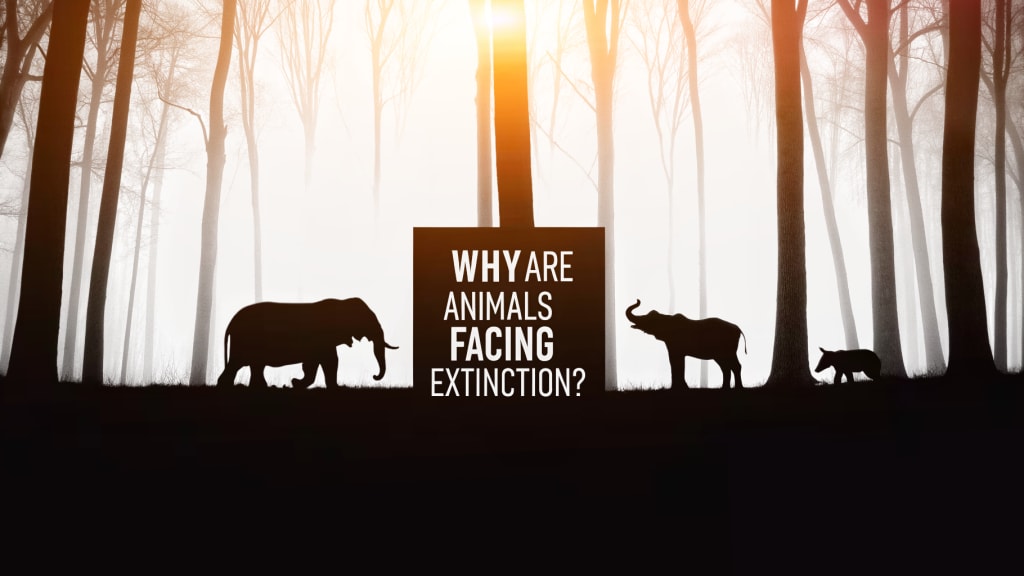
The Animal Kingdom is on the Verge of Extinction. A Call to Action for All of Humankind
The animal kingdom, encompassing millions of species that share the Earth with humans, is facing an unprecedented crisis. Over the past few centuries, human activities have accelerated the extinction rate of animals, pushing many species to the brink. The ongoing loss of biodiversity is not just an environmental issue but a threat to the very fabric of life on Earth, affecting ecosystems, economies, and human survival. This article delves into why the animal kingdom is on the verge of extinction and explores the steps humanity must take to address this urgent issue.
Causes of Animal Extinction
1. Habitat Loss
One of the primary reasons for animal extinction is the destruction of natural habitats. Forests, wetlands, grasslands, and marine environments are being cleared or degraded at an alarming rate due to urbanization, agriculture, and industrial activities. For example, tropical rainforests, which host a majority of the planet's biodiversity, are being destroyed to make way for palm oil plantations, cattle ranches, and infrastructure projects. As habitats shrink, animals lose their homes, sources of food, and breeding grounds, making survival increasingly difficult.
2. Climate Change
Global warming and changing weather patterns pose a significant threat to animal species. Rising temperatures, melting glaciers, and shifting ecosystems are disrupting the natural balance. Polar bears, for instance, are losing their hunting grounds as Arctic ice melts. Similarly, coral reefs, which support countless marine species, are dying due to ocean warming and acidification. Climate change forces animals to migrate to new areas, often leading to conflicts with human populations and other species.
3. Overexploitation
Overhunting, overfishing, and poaching have decimated animal populations worldwide. Iconic species like elephants, rhinos, and tigers are hunted for their tusks, horns, and pelts, often illegally. In the oceans, industrial fishing practices have led to the collapse of fish stocks, pushing many marine species toward extinction. Unsustainable exploitation of wildlife for food, medicine, and ornamental purposes has dire consequences for biodiversity.
4. Pollution
Pollution is another major driver of extinction. Plastic waste, chemical runoff, oil spills, and air pollution are causing irreversible damage to ecosystems. Marine animals, such as turtles and seabirds, often ingest plastic, mistaking it for food, which can lead to fatal consequences. Toxic chemicals in water and soil affect reproduction and survival rates in many species. Light and noise pollution also disrupt animal behaviors, such as migration and mating.
5. Invasive Species
The introduction of non-native species into ecosystems can have devastating effects. Invasive species often outcompete native animals for resources, spread diseases, or directly prey on them. For example, the introduction of the Burmese python in the Florida Everglades has significantly reduced populations of native mammals and birds.
6. Disease
Emerging infectious diseases are increasingly threatening animal populations. Habitat destruction and climate change are creating conditions for the spread of diseases, such as chytridiomycosis in amphibians, which has caused the decline or extinction of hundreds of species globally. Human-wildlife interactions also facilitate the transmission of zoonotic diseases, which can impact both animals and humans.
Why the Animal Kingdom Matters to Humans
The extinction of animal species is not just a loss for nature but also a loss for humanity. The intricate web of life on Earth is interconnected, and the disappearance of one species can have cascading effects on ecosystems and human well-being.
1. Ecosystem Services
Animals play crucial roles in ecosystems by maintaining balance and supporting life. Pollinators like bees and butterflies are essential for agriculture, ensuring the production of fruits and vegetables. Predators regulate prey populations, preventing overgrazing and maintaining vegetation. Scavengers, such as vultures, clean up carcasses, reducing the spread of diseases. The loss of these services would disrupt ecosystems and jeopardize food security.
2. Economic Impact
Many industries depend on biodiversity, including agriculture, fisheries, and tourism. The extinction of species can lead to economic losses, particularly in communities that rely on wildlife for their livelihoods. For instance, coral reefs support lucrative tourism and fishing industries, and their destruction could lead to economic collapse in coastal areas.
3. Cultural and Spiritual Value
Animals hold cultural, spiritual, and aesthetic value for many societies. They are symbols in art, literature, and religion, inspiring creativity and a sense of wonder. Indigenous communities often have deep connections with local wildlife, considering them sacred and integral to their cultural heritage.
4. Scientific and Medical Benefits
Animals have contributed to significant scientific discoveries and medical breakthroughs. Many medicines, including antibiotics and painkillers, are derived from natural compounds found in animals and plants. The extinction of species could mean the loss of potential cures for diseases.
5. Ethical Responsibility
As stewards of the planet, humans have a moral obligation to protect other species. Animals have an intrinsic right to exist, and their extinction due to human activities represents a failure of our responsibility as caretakers of the Earth.
Steps to Prevent Animal Extinction
Preventing the extinction of the animal kingdom requires global cooperation, innovative solutions, and a collective commitment to change. Here are some key actions:
1. Protecting Natural Habitats
Governments, organizations, and individuals must prioritize the preservation and restoration of habitats. Protected areas, such as national parks and wildlife reserves, should be expanded and effectively managed. Reforestation and habitat restoration projects can help revive ecosystems and provide shelter for endangered species.
2. Mitigating Climate Change
Reducing greenhouse gas emissions is critical to slowing climate change and protecting biodiversity. Transitioning to renewable energy, adopting sustainable agriculture practices, and conserving forests are essential steps. International agreements like the Paris Accord must be upheld and strengthened.
3. Combatting Illegal Wildlife Trade
Strict enforcement of anti-poaching laws and international regulations, such as the Convention on International Trade in Endangered Species (CITES), is crucial. Public awareness campaigns can discourage the demand for illegal wildlife products.
4. Reducing Pollution
Measures to combat pollution include reducing plastic use, treating industrial waste, and regulating chemical use. Clean-up initiatives for oceans and rivers can also help restore ecosystems. Sustainable waste management practices must be adopted globally.
5. Supporting Conservation Efforts
Non-governmental organizations (NGOs) and community-based conservation programs play a vital role in protecting wildlife. Supporting these initiatives through funding and volunteering can make a significant difference.
6. Promoting Sustainable Practices
Encouraging sustainable agriculture, fishing, and forestry practices can help balance human needs with environmental preservation. Certification programs like Fair Trade and Marine Stewardship Council (MSC) encourage ethical consumption.
7. Raising Awareness
Education and awareness campaigns can inspire individuals to take action. Teaching children about the importance of biodiversity and promoting eco-friendly lifestyles can create a generation of conservationists.
8. Engaging Communities
Local communities must be involved in conservation efforts. Providing economic incentives, such as eco-tourism opportunities, can encourage communities to protect wildlife and habitats.
The Role of Individuals
Every individual has a role to play in preventing animal extinction. Simple actions like reducing waste, conserving energy, supporting sustainable products, and spreading awareness can collectively have a big impact. By choosing eco-friendly habits, such as reducing meat consumption and avoiding single-use plastics, individuals can contribute to global conservation efforts.
Conclusion
The animal kingdom's survival is intrinsically linked to the survival of humankind. The ongoing extinction crisis demands immediate and concerted action from governments, organizations, and individuals. Protecting the rich tapestry of life on Earth is not just an environmental priority but a moral and existential imperative. By addressing the root causes of extinction and fostering a culture of sustainability and respect for nature, we can ensure a future where humans and animals thrive together. Let us act now, for the sake of all life on Earth.
About the Creator
Keep reading
More stories from MD Hasib Mia and writers in Humans and other communities.
Top 10 Bangladesh Places: Must-Visit Destinations
Top 10 Bangladesh Places: Must-Visit Destinations Bangladesh is a hidden gem in South Asia, full of amazing places to see. It has ancient ruins and beautiful beaches. It's the least visited country, but it's full of culture and nature. Get ready to explore the top 10 places in Bangladesh that will leave you amazed.
By MD Hasib Miaabout a year ago in Photography
The Botox blues: how Botox changed the way I look at myself
“You look too young for Botox,” the practice owner said as I got up from the waiting room chair. The clinic was Scandi as ever, light wood, beige tones, Vitamin C serums with triple-digit price tags. There was a framed photo of a French Bulldog on the wall wearing a pink bow tie. His forehead folds looked like mine. The only difference was that he hadn’t spent £75 on a consultation to chat about having them frozen off.
By Chelsea Brancha day ago in Humans




Comments
There are no comments for this story
Be the first to respond and start the conversation.