
تأجيل مفاوضات الأمم المتحدة في جنيف بخصوص الحرب في السودان: تأثيراته وتداعياته
تأجيل مفاوضات الأمم المتحدة في جنيف بخصوص الحرب في السودان: تأثيراته وتداعياته

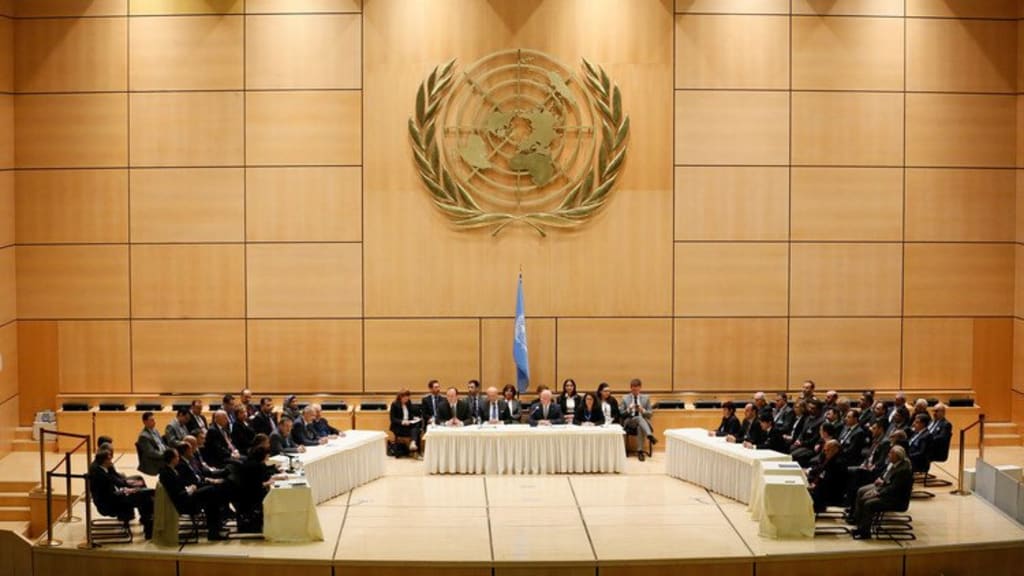
**Delay of UN Negotiations in Geneva on the Sudan Conflict: Impacts and Implications**
The ongoing civil war in Sudan stands out as one of Africa's most significant conflicts, causing a profound humanitarian crisis and severely affecting regional stability. Recently, United Nations negotiations scheduled to address the Sudan conflict in Geneva have been postponed to August 30, 2024. This delay reflects the complex situation surrounding the conflict and raises questions about its effects on peace and stability in the region.
**Historical Background of the Sudanese Conflict**
Khartoum, the capital of Sudan, has long been plagued by political and social crises. The current conflict in Sudan originated from multifaceted disputes, including tensions between different political factions, ethnic conflicts, and economic challenges. A new wave of violence erupted in April 2023, with violent clashes between the Sudanese Armed Forces and the Rapid Support Forces, exacerbating the humanitarian and economic situation.
**UN Negotiations in Geneva**
The UN negotiations in Geneva represent a key attempt to achieve peace in Sudan. These talks aim to establish a framework that allows the conflicting parties to reach a diplomatic agreement to end the ongoing conflict. Geneva is typically a hub for international mediation efforts due to its status as a neutral platform that attracts conflicting parties.
**Reasons for the Delay**
The postponement to August 30, 2024, reflects the complications faced by the international community in addressing the Sudanese conflict. Key reasons for the delay include:
1. **Complexities of the Internal Conflict**: The situation in Sudan appears more complicated than initially thought. The interests of the conflicting parties are intertwined, making a peaceful resolution challenging and requiring additional time to reach a consensus.
2. **Differences Between Parties**: There is a significant gap between the conflicting parties in Sudan, with varying demands and visions for the country’s future. This disparity complicates the negotiation process and necessitates more time to bridge the gaps.
3. **Logistical Obstacles**: There may also be logistical challenges related to organizing meetings and coordinating between the involved parties. Such challenges can contribute to the delay in negotiations.
4. **Regional and International Dynamics**: Regional and international dynamics play a role in the delay of negotiations. These include political and economic pressures, as well as changes in the priorities of the international community.
**Potential Impacts of the Delay**
The postponement of the negotiations has several potential impacts that could have far-reaching consequences for the conflict in Sudan and the region. These impacts include:
1. **Worsening Humanitarian Crisis**: The delay may exacerbate the humanitarian situation in Sudan, as the conflict continues and violence continues to affect civilians significantly. Each additional day of fighting means more suffering and damage to ordinary people.
2. **Impact on Regional Stability**: The conflict in Sudan affects neighboring countries and increases regional instability. The delay in negotiations may lead to a rise in conflicts in neighboring countries and heighten security challenges in the region.
3. **New Opportunities for the International Community**: The delay may provide the international community with an opportunity to reassess its strategies and plan more effectively for peace efforts. This time could be used to develop more effective strategies for containing the conflict and facilitating negotiations.
4. **Responses from the Conflicting Parties**: The delay might lead to varied reactions from the conflicting parties. Some parties may use the postponement to strengthen their positions or improve their negotiating terms before returning to the table.
**Role of the International Community**
In light of the postponement, the international community's role is crucial in providing necessary support for diplomatic efforts. The international community should remain committed to supporting the peace process through:
1. **Enhancing Humanitarian Support**: Providing humanitarian aid to affected areas to meet the needs of civilians suffering from the crisis.
2. **Coordinating with Regional Parties**: Working with neighboring countries and regional actors to coordinate efforts and find comprehensive solutions to the interconnected crises in the region.
3. **Encouraging Dialogue**: Supporting initiatives that promote dialogue between the conflicting parties and adopting new methods to achieve mutual understanding.
**Conclusion**
The postponement of the UN negotiations in Geneva on the Sudan conflict to August 30, 2024, highlights the significant challenges facing peace efforts in the region. Although the delay may increase civilian suffering and impact regional stability, it also offers the international community an opportunity to reassess strategies and plan more effectively. Achieving lasting peace requires continued commitment and international cooperation, as mediation efforts and humanitarian support are crucial elements in establishing enduring stability in Sudan.
About the Creator
Coming Out as Trans
Six years ago I had a well meaning therapist try to point out to me that I should take a look within myself and see how I feel about my gender orientation. He said this due to a year of me unloading all of my issues and insecurities onto him and a pattern that he recognized within my stories that I personally did not, and would not for another four years.
By Shiloh Madisonabout 22 hours ago in Humans
A Dart at Dusk
Seconds ago, the sullen sun set on the two of us… my exuberant furry companion and me. A fresh breeze embraces us, delivering welcome relief from the day’s oppressive heat. His typical stumbling and staggering along — apace with a sloth — has turned into trip-trapping, high-stepping, almost skipping along.
By Angie the Archivist 📚🪶6 days ago in Petlife


Comments (1)
Awesome piece