science
The Science Behind Relationships; Humans Media explores the basis of our attraction, contempt, why we do what we do and to whom we do it.
Championing Human Rights: A Call to Uphold Dignity, Equality, and Justice for All
1. The Foundations of Human Rights: Historical Context and Evolution The concept of human rights has deep roots in human history, dating back to ancient civilizations and philosophical traditions that recognized the inherent value and dignity of every individual. Over time, the idea of human rights has evolved and expanded, informed by religious, philosophical, and political movements that sought to challenge oppression, discrimination, and injustice. The modern human rights movement emerged in the aftermath of World War II, with the adoption of the Universal Declaration of Human Rights by the United Nations in 1948 as a landmark moment in the recognition and codification of human rights principles on a global scale.
By Mohamed Ali2 years ago in Humans
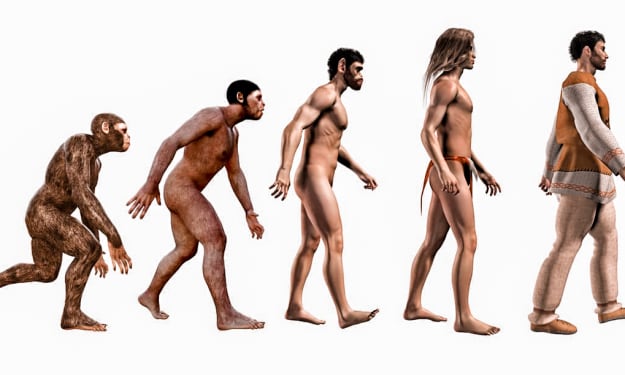
Unraveling the Tapestry of Human Evolution: Tracing the Journey from Our Ancestors to Modern Humans
1. The Origins of Humanity: Early Hominins and Their Ancestors The story of human evolution begins approximately 6-7 million years ago with the emergence of the first hominins, a group of bipedal primates that includes our closest living relatives, the chimpanzees and bonobos. Over millions of years, these early hominins adapted to life on the savannas of Africa, developing upright posture, tool use, and social behaviors that set them apart from other primates.
By Mohamed Ali2 years ago in Humans
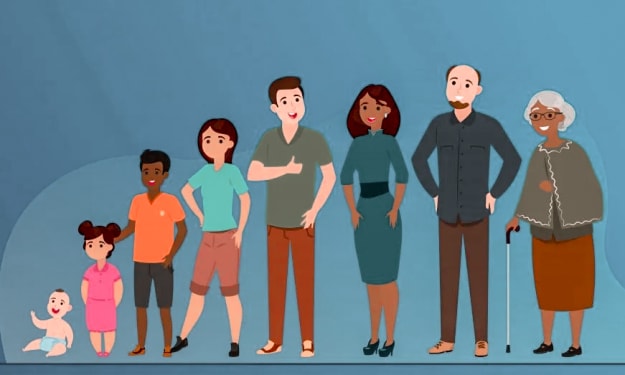
Unlocking the Stages of Human Development: Navigating the Journey from Infancy to Adulthood
1. The Miracle of Life: Prenatal Development The journey of human development begins even before birth, with the miraculous process of prenatal development. From the moment of conception, a single fertilized egg begins to divide and multiply, eventually forming a complex organism with distinct characteristics and features. Over the course of nine months, the developing fetus undergoes rapid growth and differentiation, culminating in the momentous event of birth.
By Mohamed Ali2 years ago in Humans
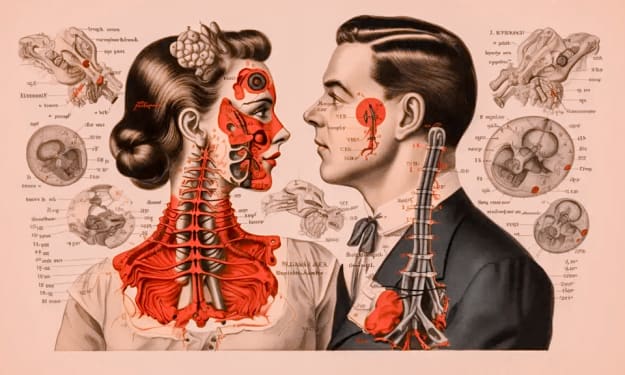
Unveiling the Wonders of Human Anatomy and Physiology: A Journey Through the Inner Workings of the Human Body
Human anatomy and physiology are the cornerstones of understanding how our bodies function and interact with the world around us. From the intricate systems that keep us alive to the smallest cellular processes, the human body is a marvel of biological engineering. In this article, we'll embark on a journey through the fascinating world of human anatomy and physiology, shedding light on its wonders and practical implications.
By Mohamed Ali2 years ago in Humans
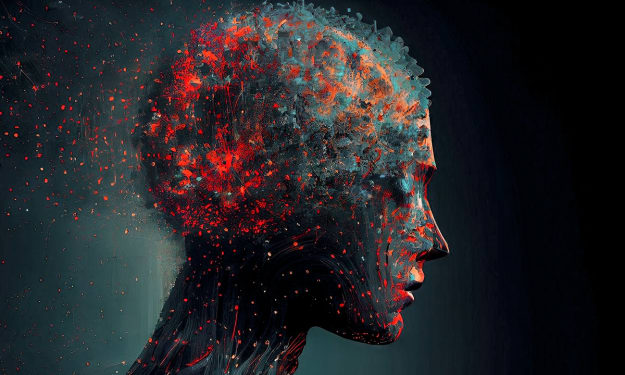
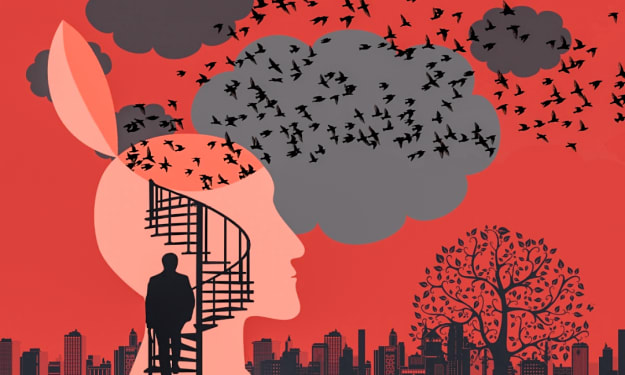
Exploring the Depths of Human Psychology: Understanding the Intricacies of the Human Mind
1. The Fundamentals of Human Psychology At its core, human psychology seeks to understand how individuals think, feel, and behave in various situations. It encompasses a wide range of topics, including perception, cognition, emotion, motivation, personality, and social interaction. Psychologists study these phenomena through empirical research, employing a variety of methods such as experiments, surveys, and observations to uncover underlying patterns and principles.
By Mohamed Ali2 years ago in Humans
Exploring the Complexities of Sociology and Social Dynamics: Insights into Human Interaction and Society
1. The Scope of Sociology: A Multifaceted Discipline Sociology encompasses a wide range of topics and approaches, including social theory, research methods, social institutions, social change, and social inequality. Sociologists study various aspects of social life, including family, education, religion, politics, economy, health, and culture, using both qualitative and quantitative methods to investigate social phenomena and generate knowledge about human society. By examining the interplay of individual agency and social structure, sociology provides insights into the ways in which social forces shape human behavior and shape the trajectory of societies over time.
By Mohamed Ali2 years ago in Humans
Exploring the Rich Tapestry of Anthropology and Culture: Insights into Human Diversity and Evolution
1. The Scope of Anthropology: A Multidisciplinary Perspective Anthropology encompasses four main subfields: cultural anthropology, archaeology, biological anthropology, and linguistic anthropology, each offering unique insights into different aspects of human life. Cultural anthropology focuses on the study of contemporary cultures and societies, examining social norms, beliefs, practices, and rituals within diverse cultural contexts. Archaeology investigates the material remains of past human societies, uncovering ancient artifacts, structures, and settlements to reconstruct past lifeways and understand the dynamics of cultural change over time. Biological anthropology explores the biological and genetic aspects of human evolution and variation, studying topics such as human genetics, primatology, and forensic anthropology. Linguistic anthropology examines the role of language in shaping culture, identity, and communication, exploring how language reflects and influences social relations, worldview, and cultural diversity.
By Mohamed Ali2 years ago in Humans
Exploring the Depths of Human Behavior and Psychology: Insights into the Complexities of the Mind
1. The Mind-Body Connection: Understanding the Interplay of Thoughts and Emotions At the heart of human behavior and psychology lies the intricate interplay between the mind and body, with thoughts and emotions influencing our perceptions, attitudes, and behaviors. Psychologists study the cognitive processes that underlie human behavior, including perception, memory, attention, and problem-solving, as well as the emotional factors that influence decision-making and motivation. By unraveling the complexities of the mind-body connection, psychologists gain insights into the underlying mechanisms of human behavior and the factors that shape our experiences.
By Mohamed Ali2 years ago in Humans
Unveiling the Marvels of Human Physiology: Exploring the Intricacies of the Human Body
1. The Cardiovascular System: Pumping Lifeblood Through Our Veins At the core of human physiology lies the cardiovascular system, a network of blood vessels and organs responsible for circulating oxygen, nutrients, and hormones throughout the body. The heart, a muscular organ located in the chest cavity, serves as the central pump that propels blood through the arteries, veins, and capillaries. Through the process of circulation, the cardiovascular system delivers vital nutrients to tissues, removes waste products, and regulates body temperature, ensuring the optimal functioning of all bodily systems.
By Mohamed Ali2 years ago in Humans
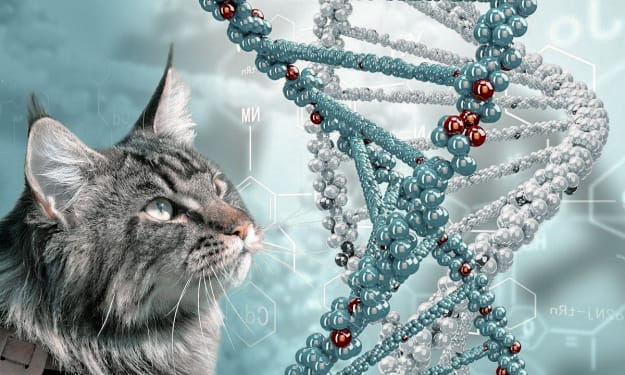
Decoding the Blueprint of Life: Exploring the Wonders of Genetics and DNA
1. Understanding Genetics: Genetics is the branch of biology that explores how traits are passed from one generation to the next through the transmission of genetic information. Genes, the units of heredity, are segments of DNA that contain the instructions for building proteins and determining specific traits, such as eye color, hair texture, and susceptibility to diseases. Through the process of reproduction, genetic information is passed from parent to offspring, shaping the characteristics of each new generation.
By Mohamed Ali2 years ago in Humans
Bird Flu- Are We (not)Safe
Bird flu is just a pretty broad term for any influenza virus that infects birds and birds are the natural reservoir for this virus. There are all kinds of various types of influenza virus H1N1, H5N1 and those are all different combinations of the virus and all those different combinations are out there in wild birds and occasionally we get strains that are more concerning and they can spill over into domestic poultry and cause a lot of disease or spill over into other animals including people.
By Kevin Nordling2 years ago in Humans