
🌍 Storms, Floods, and Earthquakes: A Deadly Week Across South and Central Asia
From Pakistan’s devastating floods to India’s rising waters and Afghanistan and Tajikistan’s deadly earthquakes—thousands have lost their lives in a tragic week of disasters.

By ✦•············• Freelancer •············✦Published 5 months ago • 3 min read
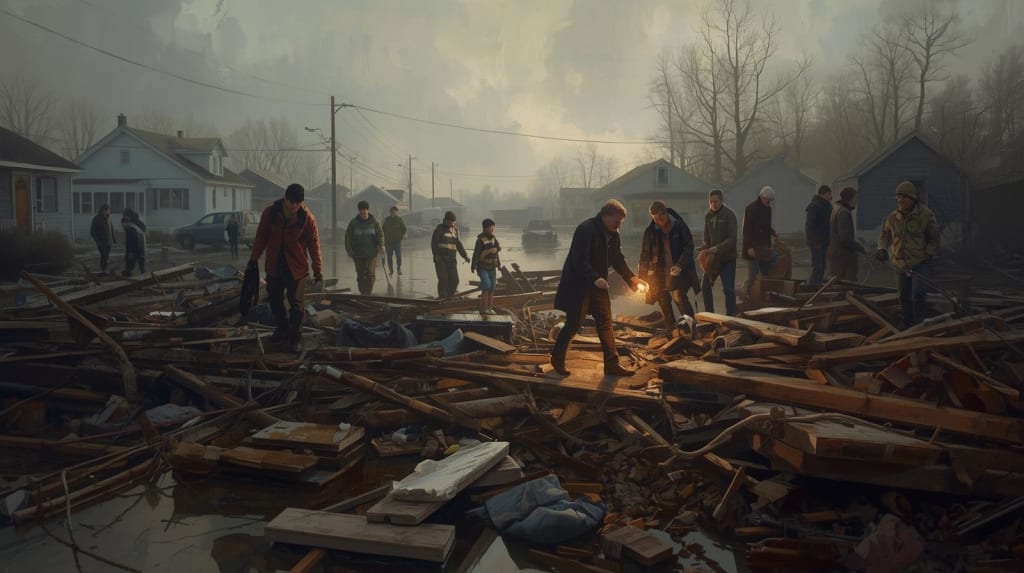
1#. “Nature’s fury has no borders—but neither does human resilience.” 2.# “Floods swept away homes, earthquakes shattered lives, yet hope survives.” 3. “Thousands lost, millions displaced—South and Central Asia need the world’s attention.” 4#. “Disasters may be natural, but neglect is not.” 5#. “When tragedy strikes, humanity must stand together.” #Pakistan Floods 2025 India Floods 2025 Afghanistan Earthquake Tajikistan Earthquake #Natural Disasters # Climate Change Crisis #Humanitarian Aid # Survival #Stories #South Asia #Tragedy #Global Solidarity
A Week of Heartbreak
The past week has been one of the darkest in recent memory for South and Central Asia. From raging floods in Pakistan and India to destructive earthquakes in Afghanistan and Tajikistan, nature’s fury has claimed thousands of lives and displaced countless families. Entire communities are mourning, homes have vanished beneath water or rubble, and survivors are left clinging to hope.
Natural disasters are not new to this part of the world, but the scale and frequency of these recent events feel overwhelming, a reminder of both the region’s vulnerability and humanity’s fragile relationship with the environment.
---
🇵🇰 Pakistan: Lives Swept Away by Floods
In Pakistan, torrential rains have triggered massive floods across several provinces. Rivers have burst their banks, swallowing villages and farmlands. The images are haunting: children stranded on rooftops waiting for rescue, farmers watching helplessly as their year’s harvest washes away, and relief camps overflowing with survivors.
According to reports, hundreds of people have lost their lives in Pakistan alone, while thousands more remain missing. Rescue teams, already stretched thin, struggle to reach remote areas. Aid organizations warn that food, clean water, and medicine are desperately needed.
---
🇮🇳 India: Rising Waters Bring Fear
Across the border in India, relentless monsoon rains have unleashed similar destruction. Northern and northeastern states are reeling under floodwaters that have submerged roads, destroyed crops, and forced mass evacuations.
For many families, this is not the first time they’ve faced such devastation. Each year, seasonal rains bring with them the dread of losing everything. But this year, the intensity has been far worse. Villages that once stood proud are now ghost towns, their people scattered in temporary shelters. The tragedy has ignited conversations once again about climate resilience and government preparedness.
---
🇦🇫 Afghanistan: Earthquake Horror
While floods raged in Pakistan and India, Afghanistan was rocked by a powerful earthquake that reduced entire neighborhoods to rubble. Survivors dig through the debris with bare hands, desperately searching for loved ones. In many villages, hospitals are either destroyed or overwhelmed, leaving the injured without proper care.
The death toll in Afghanistan has climbed into the thousands, making it one of the deadliest earthquakes in the region in years. For a country already grappling with poverty and political instability, this disaster adds another unbearable layer of suffering.
---
🇹🇯 Tajikistan: Shaken to the Core
Tajikistan too was struck by a destructive earthquake this week. Though smaller in scale than Afghanistan’s tragedy, it left dozens dead and many more homeless. In the mountainous terrain, landslides triggered by the quake have cut off access to critical areas, delaying rescue efforts.
For the people of Tajikistan, this disaster is yet another reminder of how fragile life is in a country where infrastructure and emergency response remain limited.
---
🌐 A Shared Tragedy, A Global Concern
What unites these tragedies is not just geography, but humanity’s vulnerability in the face of nature. Climate change has been cited as a key factor intensifying floods in Pakistan and India, while poor infrastructure and lack of preparedness have worsened the effects of earthquakes in Afghanistan and Tajikistan.
This week’s disasters raise urgent questions:
How can countries better prepare for natural catastrophes?
What role should the international community play in providing timely aid?
And most importantly, how can we ensure that the voices of the survivors are heard, not forgotten?
---
💔 Stories of Courage Amid Despair
Yet even in the darkest moments, stories of courage shine through. Rescue workers risk their lives wading through floodwaters to save strangers. Families in unaffected regions open their doors to shelter the displaced. Volunteers in Afghanistan and Tajikistan work around the clock, pulling survivors from rubble, offering food and blankets despite their own losses.
These stories remind us that even when nature unleashes destruction, the human spirit refuses to surrender.
---
✨ Final Thoughts
This tragic week in South and Central Asia has left scars that will take years to heal. Thousands of lives have been lost, and survivors face the long road of rebuilding homes, livelihoods, and hope.
But beyond the grief lies a responsibility—a call to action. Governments, global organizations, and individuals must step forward with compassion, aid, and long-term solutions. Disasters may be natural, but neglect is not.
The people of Pakistan, India, Afghanistan, and Tajikistan deserve more than sympathy—they deserve solidarity and support. Because in the face of such overwhelming loss, humanity’s greatest strength lies in standing together.
About the Creator
Keep reading
More stories from ✦•············• Freelancer •············✦ and writers in Humans and other communities.




Comments
There are no comments for this story
Be the first to respond and start the conversation.