
Shadow has a deeper meaning
Shadow has a meaning deeper than what we see
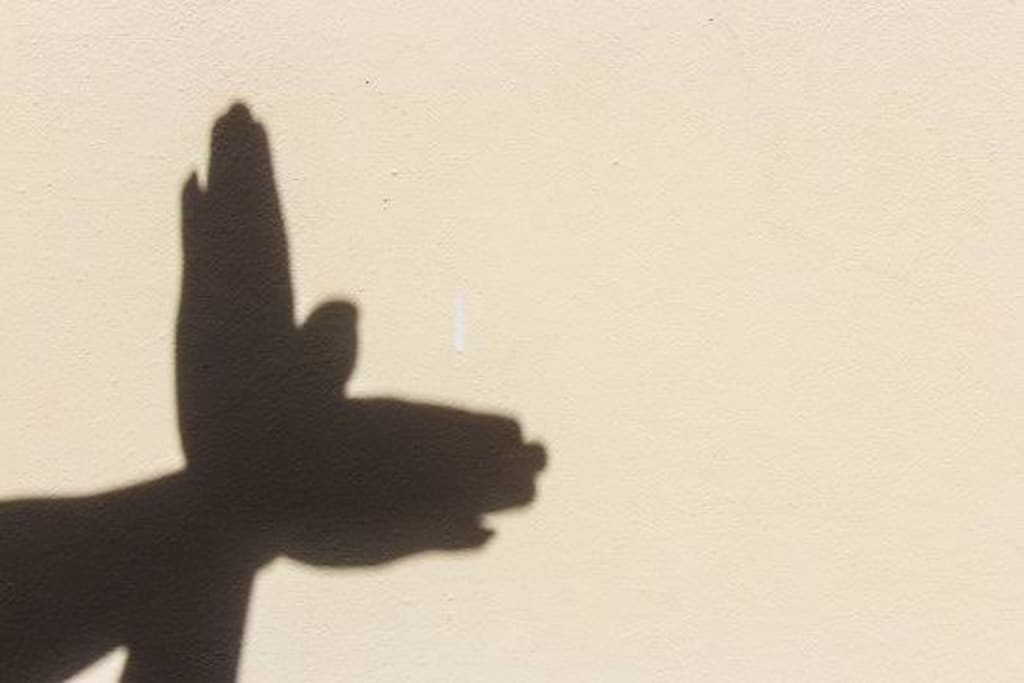
The concept of the shadow holds a profound and multifaceted meaning, encompassing various psychological, spiritual, and philosophical dimensions. Developed by Swiss psychiatrist Carl Jung, the notion of the shadow refers to the unconscious aspects of our personality that are often repressed, denied, or hidden from our conscious awareness.
Within the realm of psychology, the shadow represents the darker, more primitive aspects of ourselves that we may find unacceptable or incompatible with our self-image. It includes our suppressed emotions, unacknowledged desires, and unresolved conflicts. These hidden aspects of the shadow can manifest in a variety of ways, such as projections onto others or as unconscious behavioral patterns.
Engaging with the shadow involves the challenging process of exploring and integrating these concealed aspects of ourselves. It requires a willingness to face our fears, confront our vulnerabilities, and delve into the depths of our unconscious. By shining light on the shadow, we gain a more comprehensive understanding of ourselves and develop greater self-awareness.
The shadow is not inherently negative or evil; rather, it represents a spectrum of qualities and potentials that have been disowned or overlooked. It encompasses both the positive and negative aspects of our personality. For example, qualities such as creativity, passion, and assertiveness can also reside in the shadow if they have been suppressed due to societal conditioning or personal insecurities.
Working with the shadow entails acknowledging and embracing these shadow qualities with compassion and non-judgment. It involves integrating and accepting all aspects of ourselves, both light and dark, to achieve a state of wholeness. By integrating the shadow, we gain a deeper sense of authenticity and discover inner resources that were previously untapped.
Beyond the realm of psychology, the shadow carries symbolic and philosophical significance. It is often viewed as a metaphor for the inherent duality and complexity of human nature. Just as light cannot exist without darkness, the shadow represents the contrasting elements that make up our existence.
In spiritual and philosophical traditions, the shadow is seen as an invitation to explore the depths of our being and transcend our limited self-perception. It is a call to embrace our shadow qualities, release judgment, and find unity within ourselves. By integrating the shadow, we move towards a state of balance and harmony.
The process of encountering the shadow is not without challenges. It demands courage, self-reflection, and a willingness to confront uncomfortable truths. However, by working with the shadow, we embark on a transformative journey of self-discovery, personal growth, and liberation from self-imposed limitations.
The shadow represents those parts of ourselves that we may find unacceptable, undesirable, or incompatible with our self-image. It encompasses our unresolved conflicts, fears, desires, and impulses that we have suppressed or disowned. These aspects of the shadow can manifest in different ways, such as projections onto others or behavior patterns we are unaware of.
Engaging with our shadow can be challenging, as it requires acknowledging and integrating these hidden aspects of ourselves. However, working with the shadow can lead to personal growth, self-awareness, and a more holistic understanding of ourselves. By bringing these aspects to light and accepting them as part of who we are, we can develop greater compassion and authenticity.
Beyond psychology, the concept of the shadow is also explored in various spiritual and philosophical traditions. It is often seen as a metaphor for the duality and complexity of human nature. Embracing the shadow is viewed as a path towards wholeness and self-realization.
Overall, the shadow carries a profound meaning as it invites us to explore the depths of our psyche, confront our hidden aspects, and strive for integration and balance within ourselves. It is a concept that encourages self-reflection, acceptance, and the potential for personal transformation
In conclusion, the shadow holds a profound and multifaceted meaning that spans psychological, spiritual, and philosophical realms. It represents the unconscious aspects of our personality that have been repressed or denied. Engaging with the shadow involves acknowledging, accepting, and integrating these hidden aspects to achieve a state of wholeness and authenticity. By exploring the shadow, we gain self-awareness, tap into untapped potentials, and embark on a transformative path of personal growth
About the Creator
Keep reading
More stories from writers in Humans and other communities.
Time to change your life.
Is it even possible for you to change your life? A lot of people, more than there should be, are unhappy with their lives. But what are they doing about it? Usually nothing. People talk about how shitty their lives are and want change, but are they not taking the actions to change?
By Jen Phillips4 days ago in Humans
How Are Himalayan Salt Blocks Used in Cooking and Grilling?
Essential to this, the natural cooking method is a trend that is gaining popularity since the population has been seeking healthier and tastier ways of cooking food. The use of a Himalayan salt block is one of the best organic techniques that can be identified in cooking.
By Pink salt wallabout 10 hours ago in Humans
~ Fired ~
— Ai Intrusion ~ Are you Next ~ Is Ai Evolution after your job? — Few workplaces haven't been affected. Ai is in supermarkets, at doctors' offices, and even monitoring farms. I just can't think of anything this machine is not getting into, can you? For instance: Education ~ Law and Tech jobs will one day have a major influence or be taken over by these inanimate machines, with accuracy and vigor. From mechanics' diagnoses to a wide variety of everyday jobs, including fast food workers, with this input having the ability to cut their unnecessary work hours. I'm certain all of us have been touched by this with our short stories and colorful headings, have you? Even comments are very questionable 'Non-Robot' insertions.
By Jay Kantor4 days ago in Journal


Comments
There are no comments for this story
Be the first to respond and start the conversation.