
Segregation is the ᴇɴᴇᴍʏ of belonging
Time is an invention. Anything is possible.

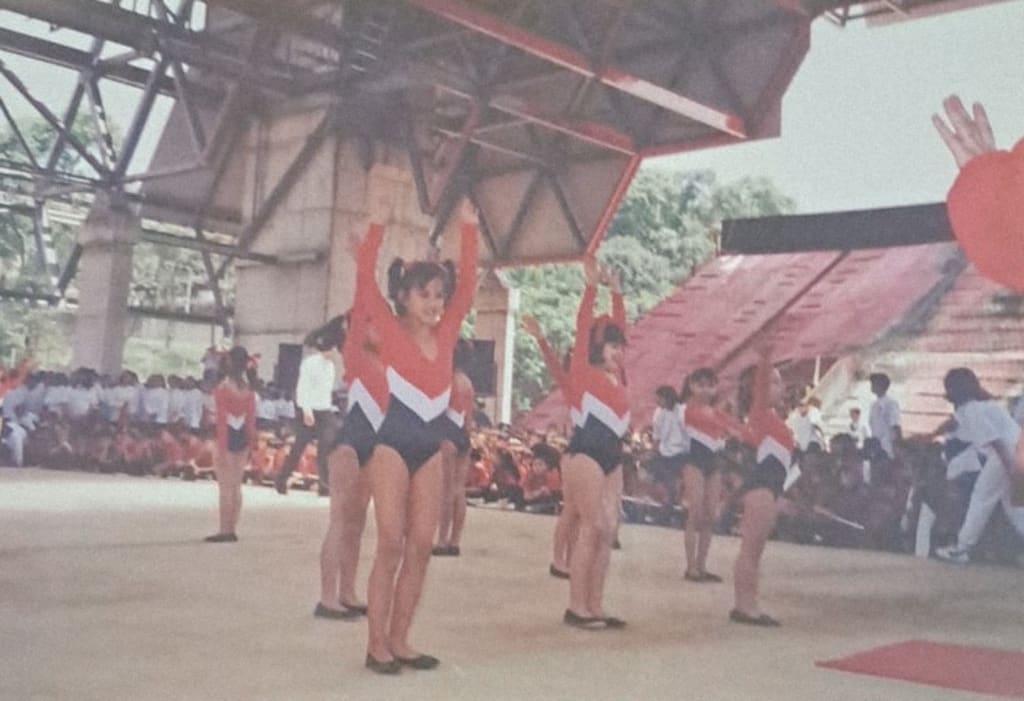
São Paulo-Brasil, 2002.
I was fourteen years old. I had been practising Olympic gymnastics for over seven years. I started fresh, without knowing how to do a black flip or anything else, and I turned out good, really good.
When I started to practice, I was in first grade. It was the first time the school included Olympic gymnastics in its curriculum. That year, they hired a trainer and selected a few kids based on their performance in physical education class to join the team. I remember feeling extremely happy seeing the invitation on my school agenda.
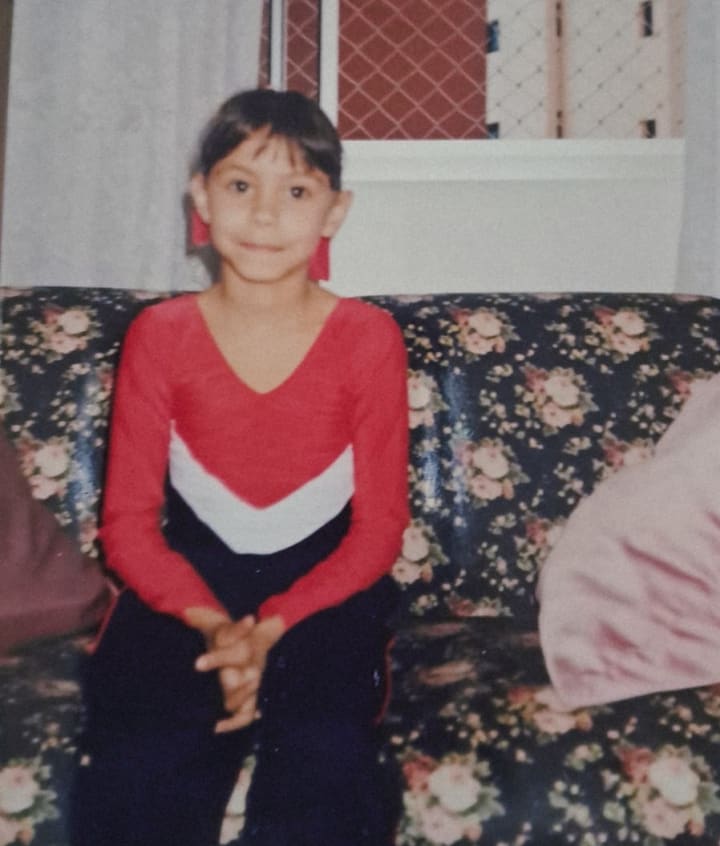
On the first day of practice, some girls stared, pointed fingers, said sad things, and made fun of me. I went back home discouraged, unsure if I would be back to practice. I told my mother, who wisely used that moment to teach me a valuable lesson. She said I had a choice to make: I could give up on something because of someone else's judgements or keep doing what I like despite that. That life-changing advice guided me to choose myself.
I loved gymnastics so much that I became the best in school. I was selected for a solo performance. I could train in the boy's class, the only girl allowed to be there, and I even got to inspire younger girls to become incredible gymnasts.
I remember dreaming about being an athlete in the Olympic games and dedicating myself to it. Practising was challenging but an undeniable confidence builder. The trainer would give me a goal, and I would work hard to achieve it and only stop when I did. I even cried out of gratitude and happiness the first time I succeeded in doing a back mortal with no hands. I had been practising that for months, and the double flick flak was too easy by then.
I knew the minimum age to participate in an Olympic game was sixteen, and I had two years of training before I could qualify. The dream was not such a public thought, and I remember when I decided to share it.
You know, you won't be allowed into the olympics, right?
It was like an ice-cold bucket was thrown over me. The idea I had been cultivating and working hard towards was not accessible to me.
But you can focus on the paralympics.
I felt confused, betrayed and excluded. Why were there two Olympic games? Why segregate people based on their bodies? Once again, I was reinforced that inclusion exists throughout exclusion. I remember questioning the person, but nothing could justify that. It was impossible to shake out of my head the idea that an integrated Olympic Games could not exist.
The negative emotions originating in that conversation were reason enough to discourage my dream, and that year, I stopped practising. It was not an easy decision, and neither was it the first time I was externally limited by owning an unalike body, but I could not see a reason to keep going at that moment.
Recently, I met two paralympic athletes, and I wondered what would have happened if I had kept pursuing my dream. I continue to find it really hard to understand how, in the 21st century, we do not have an integrated Olympic game. I am well aware of accessibility needs and different implications that impact both event's production, but once again, why segregate? As an experienced producer, I know for a fact that it is absolutely possible to create a unified event.
Segregation is the enemy of belonging. By allowing it to exist, we are once again including by excluding. Honour your connections.
About the Creator
Dani Wieczorek
I write to share my own experience, perhaps it can inspire you.
Keep reading
More stories from Dani Wieczorek and writers in Humans and other communities.
Thief In The Night
To the thief in the night that took and replicated what once was mine: Honestly, I feel kind of bad for you. It’s funny, because we hardly know each other. I only know of you through the magazines you’ve written and the broadcasts you have televised in the past — as well as through the public mentions of you from your show business connections there.
By Snarky Lisa6 days ago in Humans
Geology of the Soul: Scars, Mines, and the Scent of Freedom
As a geologist, I spent my life studying rocks, the ancient layers of the earth, and the immense, unseen force with which nature shapes the world. I know how mountains are formed through violent collisions and how rivers carve valleys over millennia. But I learned the hardest, most profound geology on my own skin. I learned that the most valuable crystals are never found resting easily on the surface; they are formed deep in the dark, under a crushing pressure that would turn an ordinary stone to dust.
By Magma Stara day ago in Humans


Comments (2)
I really felt the disappointment when you revealed that you couldn't participate in the Olympics. Nice job.
Well done.