
Scrolling into the Abyss: The Mind Games of Social Media
Navigating the Psychological Labyrinth of Our Digital Lives

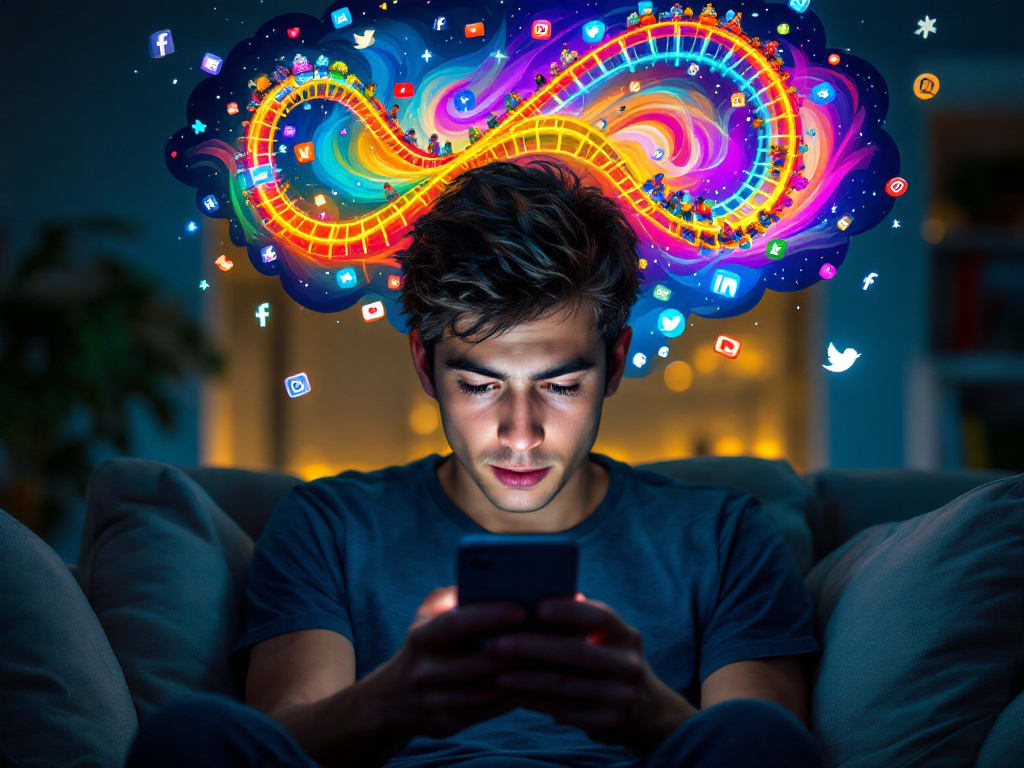
Imagine waking up to 500 likes on your latest post. Exhilarating, right? Now, imagine the sinking feeling when your next post barely gets 50. Welcome to the emotional rollercoaster of social media, where validation is just a tap away, yet true connection feels increasingly elusive. As we dive into the digital abyss, let's explore how social media shapes our mental health, for better or worse.
The Comparison Trap
Social media platforms are designed to showcase highlights—the perfect vacation, the flawless selfie, the enviable career milestone. This constant exposure to idealized lives can lead to what psychologists call "social comparison." We measure our worth against these curated snapshots, often leading to feelings of inadequacy and dissatisfaction.
Research shows that excessive social media use correlates with higher levels of anxiety and depression. A study published in the Journal of Social and Clinical Psychology found that limiting social media use to 30 minutes per day significantly improved well-being. The pressure to present a perfect image online can be overwhelming, leading to a cycle of comparison and self-doubt.
Personal Anecdote: I remember scrolling through Instagram, feeling a pang of envy at a friend's exotic travel photos. It took a conscious effort to remind myself that behind the glamorous posts, everyone faces challenges.
Practical Tip: Unfollow accounts that trigger negative comparisons. Instead, follow inspiring figures who promote authenticity and self-acceptance.
Social comparison on social media can fuel feelings of inadequacy.
Connected Yet Alone
Social media promises connection, yet many users report feeling more isolated than ever. The paradox of social media is that while it connects us globally, it can also deepen feelings of loneliness. Superficial interactions, such as likes and comments, often lack the depth of face-to-face conversations.
A study by the University of Pittsburgh found that people who spend more time on social media are more likely to feel socially isolated. The constant need for validation through likes and shares can lead to a sense of disconnection from genuine relationships.
Example: Think about the last time you had a meaningful conversation with a friend. Now, compare that to the fleeting interactions on social media. The difference in emotional depth is stark.
Practical Tip: Make an effort to engage in real-life conversations. Set aside time each week to connect with friends and family offline.
Despite its promise of connection, social media can deepen feelings of isolation.
The Dark Side of Cyberbullying
Cyberbullying is a pervasive issue on social media, with devastating psychological effects. The anonymity of the internet emboldens some users to engage in harmful behavior, leading to severe emotional distress for victims.
Research indicates that victims of cyberbullying are at a higher risk of developing mental health issues, including depression and anxiety. The constant accessibility of social media means that the harassment can follow victims everywhere, making it difficult to escape.
Testimonial: A friend shared her experience of being cyberbullied, describing the relentless nature of the attacks and the toll it took on her mental health. Her story underscores the need for vigilance and support.
Practical Tip: If you witness cyberbullying, report it to the platform and offer support to the victim. Encourage open conversations about the impact of online harassment.
Cyberbullying on social media can have severe psychological consequences.
The Addiction Loop
Social media is designed to be addictive, with algorithms that keep us scrolling endlessly. The dopamine hit from receiving notifications can create a cycle of dependence, making it difficult to disconnect.
Studies show that social media addiction is linked to poor sleep quality, decreased productivity, and increased stress levels. The constant need to check notifications can disrupt daily routines and affect overall well-being.
Personal Experience: I noticed my productivity declining due to frequent social media checks. Setting specific times for social media use helped me regain control over my day.
Practical Tip: Use apps that track your social media usage and set limits. Create tech-free zones and times to break the addiction cycle.
The addictive nature of social media can disrupt daily life and affect well-being.
FOMO: The Fear of Missing Out
FOMO, or the fear of missing out, is a prevalent phenomenon in the social media age. The constant stream of updates about events, parties, and gatherings can create anxiety about not being included or missing out on exciting experiences.
Research suggests that FOMO is linked to lower life satisfaction and increased social media use. The fear of missing out can drive users to check their feeds compulsively, further exacerbating feelings of anxiety and dissatisfaction.
Example: Imagine seeing posts about a party you weren't invited to. The feelings of exclusion and the fear of missing out can be overwhelming, even if you wouldn't have enjoyed the event.
Practical Tip: Practice mindfulness and focus on the present moment. Remember that social media often presents a filtered version of reality.
FOMO can drive compulsive social media use and decrease life satisfaction.
The Impact on Self-Esteem
Social media's emphasis on appearance and achievement can negatively impact self-esteem. The constant exposure to idealized bodies and successful lifestyles can lead to feelings of inadequacy and self-doubt.
Studies have shown that young adults who spend more time on social media are more likely to have body image issues and lower self-esteem. The pressure to conform to unrealistic beauty standards can be particularly harmful.
Testimonial: A young woman shared her struggle with body image issues, exacerbated by the constant exposure to perfect bodies on social media. Her journey towards self-acceptance highlights the importance of challenging these unrealistic standards.
Practical Tip: Follow accounts that promote body positivity and diversity. Engage in activities that build self-esteem outside of social media.
Social media's emphasis on appearance can negatively impact self-esteem.
The Role of Influencers
Influencers play a significant role in shaping social media culture. Their curated lifestyles can set unrealistic expectations for followers, leading to feelings of inadequacy and dissatisfaction.
Research indicates that following influencers can increase materialistic values and decrease life satisfaction. The pressure to keep up with influencers' lifestyles can be financially and emotionally taxing.
Example: Think about the influencers who promote luxury products and extravagant lifestyles. The constant exposure to these ideals can create a sense of dissatisfaction with one's own life.
Practical Tip: Be critical of the content you consume. Remember that influencers often present a highly curated version of reality.
Influencers can set unrealistic expectations and decrease life satisfaction.
The Power of Authenticity
In a world of curated perfection, authenticity stands out. Sharing genuine experiences and emotions can foster deeper connections and improve mental well-being.
Studies show that authentic self-expression on social media can lead to increased happiness and life satisfaction. Engaging in honest conversations and sharing real-life experiences can create a supportive community.
Personal Anecdote: I started sharing my struggles and victories on social media, and the response was overwhelmingly positive. The authentic connections I formed were far more meaningful than any number of likes.
Practical Tip: Be authentic in your social media interactions. Share your true self and engage in genuine conversations.
Authenticity on social media can foster deeper connections and improve well-being.
Mindful Social Media Use
Mindfulness is the practice of being fully present and engaged in the current moment. Applying mindfulness to social media use can help mitigate its negative effects.
Research suggests that mindful social media use can reduce anxiety and improve overall well-being. Setting intentions for social media use and being aware of its impact on your emotions can create a healthier relationship with technology.
Example: Before opening a social media app, take a moment to set an intention. Are you looking to connect with friends, share an update, or simply browse? Being mindful of your intentions can help you use social media more purposefully.
Practical Tip: Practice mindfulness by setting aside specific times for social media use and being aware of your emotional state while using these platforms.
Mindful social media use can reduce anxiety and improve well-being.
Conclusion
Social media is a double-edged sword, offering both connection and isolation, validation and inadequacy. By understanding its psychological impacts, we can navigate this digital landscape more mindfully. Remember, the power lies in how we choose to engage with these platforms.
Let's start a conversation in the comments. Share your experiences and tips for maintaining mental well-being in the age of social media. Together, we can foster a healthier relationship with technology.
About the Creator
Alain SUPPINI
I’m Alain — a French critical care anesthesiologist who writes to keep memory alive. Between past and present, medicine and words, I search for what endures.
Keep reading
More stories from Alain SUPPINI and writers in Humans and other communities.
Mastering French Without Losing Your Sanity: A Realistic Guide for Beginners
Learning French can feel like solving a Rubik’s Cube blindfolded. The tricky pronunciation, the never-ending grammar rules, and the surprising exceptions make it seem impossible. But don’t worry—equipping yourself with key expressions and effective strategies can turn frustration into fluency. Let’s simplify French and make learning enjoyable.
By Alain SUPPINIExclusive • 11 months ago
Happiness Is Allowed
No one ever told us it was forbidden. We just learned to behave as if it were. In the city where I live, happiness feels like a suspicious thing—something you don’t display too openly, like cash pulled out in a crowded place. People smile, but briefly. Laughter is measured. Joy is edited before it reaches the mouth, as if someone might accuse you of not suffering enough.
By Jhon smith2 days ago in Humans


Comments
There are no comments for this story
Be the first to respond and start the conversation.