
"Screen Time for Kids: How Much is Too Much?"
The Wake-Up Call
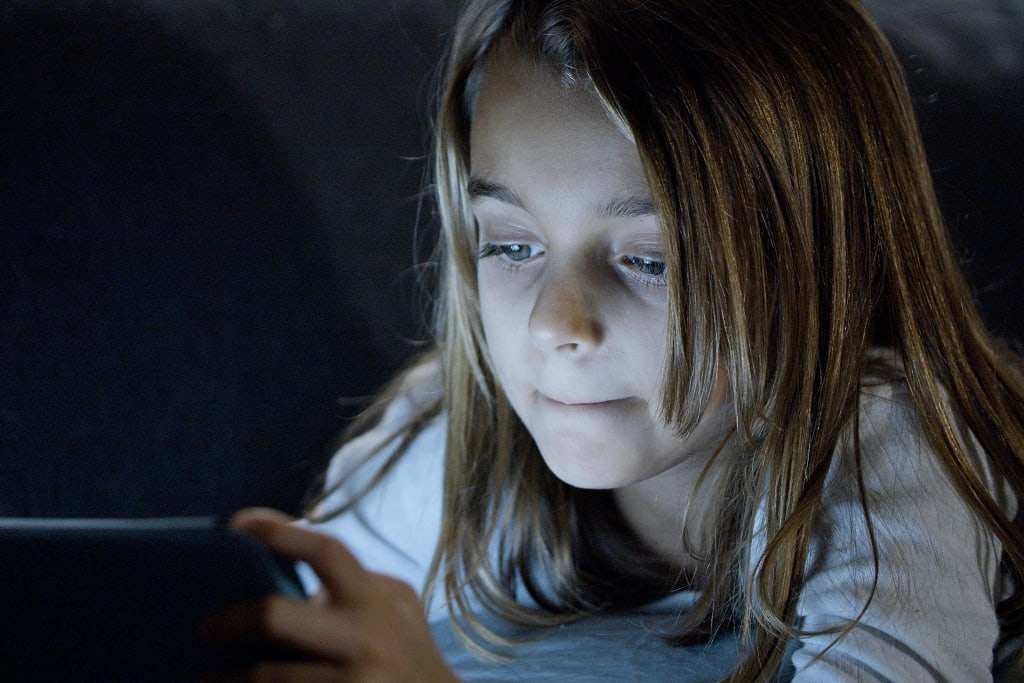
When pediatrician Dr. Emma Lawson noticed the same complaint from parents week after week—"My child won't focus, won't sleep, and throws tantrums when I take the tablet away"—she decided to investigate. What she discovered about screen time shocked her.
After reviewing dozens of studies and working with child development experts, she developed a practical, science-backed approach to screen time that doesn't involve complete bans or guilt. Here's what every parent needs to know.
The Hard Truth About Screens and Developing Brains
Recent studies from the National Institutes of Health reveal:
Excessive screen time (more than 2 hours/day) correlates with:
Thinner brain cortex in areas responsible for critical thinking
Reduced ability to focus for extended periods
Increased impulsivity and emotional dysregulation
Blue light exposure suppresses melatonin, delaying sleep by 40+ minutes
But here's the nuance: Not all screen time is equal. Facetime with Grandma ≠ mindless YouTube scrolling.
The 4 Types of Screen Time (And Which to Limit)
Dr. Lawson categorizes digital consumption into:
Passive Consumption (Videos, social media)
Limit: Strictly. Provides little cognitive benefit.
Interactive Learning (Educational apps, coding games)
Moderate: 30-60 mins/day can be beneficial.
Creative Production (Making digital art, editing videos)
Encourage: Builds real skills.
Social Connection (Video calls with family)
Prioritize: Essential for emotional bonds.
The Magic Formula: Age-Based Guidelines
Based on AAP recommendations with practical tweaks:
Ages 0-2:
Ideal: Screen-free (except video calls)
Reality Check: If using, stick to 10-15 mins of high-quality content (like Sesame Street)
Ages 3-6:
Max 1 hour/day (prioritize interactive over passive)
Always co-view to discuss content
Ages 6-12:
1.5 hours on school days, 2.5 on weekends
Require 1:1 ratio (1 hour screens = 1 hour physical activity)
Teens:
Focus on quality over strict time limits
Teach self-regulation with "tech breaks"
7 Battle-Tested Strategies From Real Parents
The "When-Then" Rule
"When you finish your homework/chores, then you can have screen time."
Physical Timers Work Better Than Apps
Kids respond better to seeing a kitchen timer count down than invisible limits.
Create "Screen-Free Zones"
No devices at dinner table or in bedrooms.
The "Must Earn Your WiFi" System
One family has kids complete a checklist (reading, creative play) before getting the WiFi password each day.
Model the Behavior You Want
Parents who scroll constantly can't expect different from kids.
Offer Better Alternatives
Keep art supplies, board games, and outdoor gear easily accessible.
Implement "Tech Sabbaths"
One screen-free day per week (the whole family participates).
The Surprising Benefits of Boredom
Child development experts emphasize:
Unstructured time sparks creativity
Learning to sit with discomfort builds emotional resilience
Face-to-face interactions develop social IQ
"The 'I'm bored' complaint is actually a good sign," says Dr. Lawson. "It means their brain is ready to create instead of consume."
Success Story: The Parker Family Experiment
After implementing these rules:
Week 1: Intense resistance (multiple meltdowns)
Week 3: Kids started drawing and building forts again
Month 2: Bedtime battles decreased by 70%
Month 6: Teachers reported improved focus at school
"The hardest part was sticking through the initial withdrawal period," mom Jenna admits. "But now my kids don't even ask for screens until after dinner."
Your Action Plan
Start small with one change this week:
Remove devices from bedrooms
Implement the "When-Then" rule
Try one screen-free day
Remember: This isn't about perfection. Even reducing screen time by 30% shows benefits.
Want More? Let me know if you'd like:
A printable "healthy screen time" contract for kids
The best educational apps by age group
Another story from the list! 😊
What's your biggest screen time challenge?
About the Creator
Why Didn't Anyone Tell Us
Men, move along. This is not for you. This is for the women. I was forty-five when I began menopause. It is pretty young for that to be going on in a woman’s life, but I had undiagnosed PCOS, my entire life. Thank you to all the gynecologists I had seen my entire life. That in itself should encourage women to keep seeking second opinions, especially when you are not getting correct answers or any at all.
By Alexandra Grant4 days ago in Humans


Comments
There are no comments for this story
Be the first to respond and start the conversation.